Eighty healthcare workers from public hospitals in Lilongwe have undergone training in early lung cancer detection to increase chances of successful treatment and survival. Oncologist Richard Nyasosela from Malawi National Cancer Centre said on Wednesday when he presided over the training in Lilongwe that early detection of lung cancer is much more likely to lead to cure than the one diagnosed later. He thanked Facilitators of Community Transformation (Fact) for organising the training under its Building Systems and Linkages for a Comprehensive Multinational Lung Cancer Control Programme (BSL-MLCCP) with support from Bristol Myers Squibb Foundation, saying there is need for healthcare workers to acquire such skills to help detect cancer cases early.
“Spend more time with your patients, investigate and consult relevant authorities. When patients come to us [health workers] to seek medical help, they see us as cure,” he said. Nyasosela also observed that detecting cancer early helps to improve treatment outcomes.
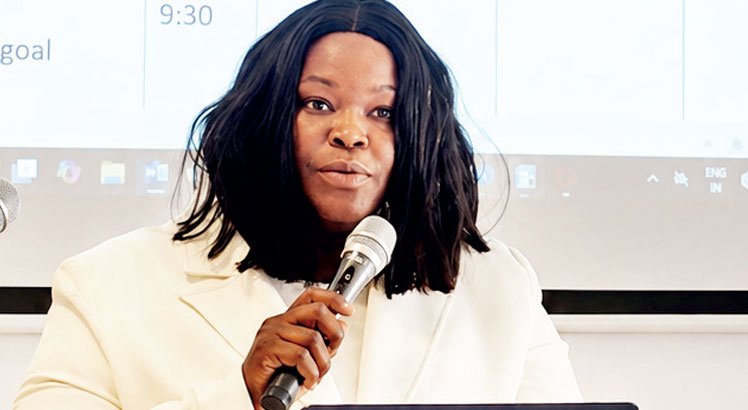
“Early treatment can relieve symptoms, preserve lung function and allow people to maintain their daily activities,” he said. Fact chief executive officer Thokozile Phiri-Nkhoma said they wanted to improve access to early diagnostic services for lung cancer. She said that they will, among others, implement interventions to validate the tool for early case finding in high-risk groups, identify and mitigate the barriers to lung cancer care and establish algorithms for standardised early referral, diagnostic pathways, comprehensive evaluation and management protocol. “If successfully implemented, the BSL-MLCCP initiative will help strengthen and expand the local cancer registry and quantify the true burden of lung cancer in the country,” said Phiri-Nkhoma.
All Zim News – Bringing you the latest news and updates.
