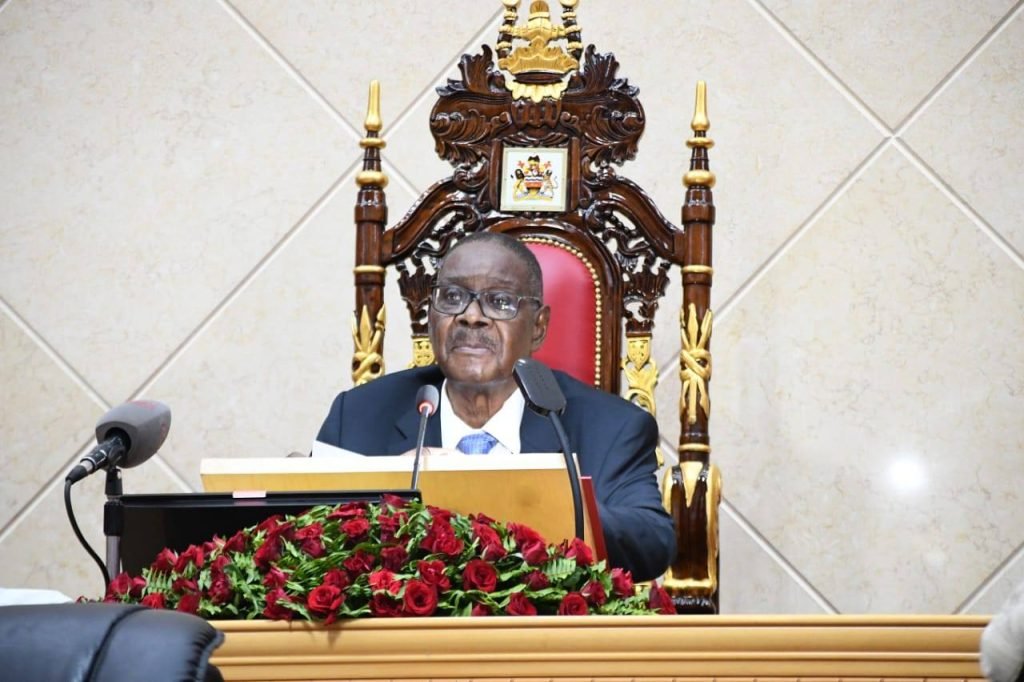
Government has extended austerity measures into the 2026/27 financial year as it seeks to contain public spending and stabilise the economy amid persistent fiscal pressures and limited fiscal space. The move follows expenditure control measures introduced during last year’s Mid-year Budget Review and reinforced in the State of the Nation Address (Sona) in which President Peter Mutharika outlined a discipline-first approach to stabilising the economy and spur economic growth. A memorandum from Secretary to the Treasury Cliff Chiunda to the Chief Secretary to the Government, all controlling offices of ministries, departments and agencies; chief executive officers of State-owned enterprises and parastatals, whichThe Nationhas seen confirms that the spending controls will remain in force in the upcoming financial year.
“The economic shocks that necessitated austerity measures during the Mid-year Budget Review are still prevalent, affecting our country’s economy. As such, there is still a need to continue implementing the expenditure control measures in the upcoming financial year,” the circular reads in part. The measures include restricting publicly funded foreign travel for public servants to only “extreme” essential trips approved by the Chief Secretary to the Government, maintaining a moratorium on the procurement of new government vehicles and suspending recruitment except in critical services.
Fuel entitlements for public officers, including Cabinet ministers and senior government officials, remain reduced by 30 percent. Government has also directed that each embassy should have no more than five officials, including the ambassador or high commissioner, while new institutions will not be created or operationalised until further notice. Authorities have further instructed that all procurement be conducted through the Malawi National Electronic Procurement System and that Local Purchase Orders be generated through the Integrated Financial Management Information System as part of efforts to tighten expenditure controls.
[paywall]
State-owned enterprises have also been directed to remit dividends and surplus resources to the Treasury rather than keeping idle balances while government continues borrowing to finance the budget. Treasury data suggests the austerity programme introduced during the Review achieved its immediate fiscal objective. According to the 2026/27 Financial Statement, the expenditure control measures were expected to reduce total government spending by about K158 billion by the end of the fiscal year.
Revised fiscal projections indicate that total expenditure is now expected to close the year at about K8.43 trillion, down from the mid-year projection of K8.59 trillion, suggesting the spending controls have helped prevent budget overruns and slow the growth of public expenditure. Economist s say the continuation of austerity measures reflects government’s attempt to restore fiscal discipline and stabilise public finances under mounting economic pressure. Mzuzu University economics lecturer Christpher Mbukwa said the measures introduced last year were beginning to show results in budget performance.
[/paywall]
All Zim News – Bringing you the latest news and updates.
