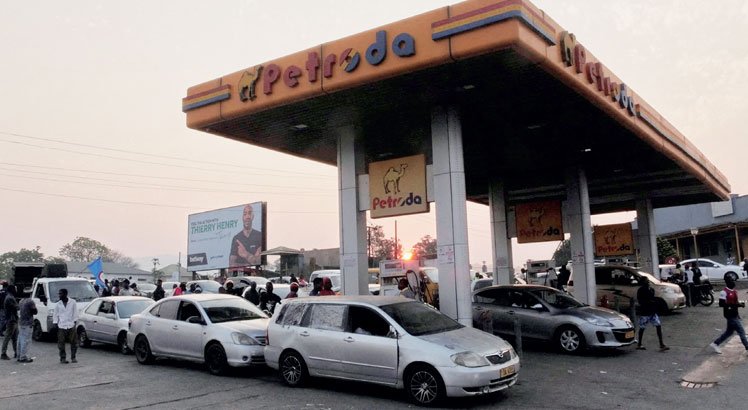
Malawi is discussing debt restructuring and a potential $120 million (about K210 billion) fuel import financing facility with African Export-Import Bank (Afreximbank), raising hopes of easing fuel shortages and foreign exchange constraints. Minister of Finance, Economic Planning and Decentralisation Joseph Mwanamvekha confirmed in a written response last week that the debt restructuring process “would be finalised soon”. In a separate interview, Reserve Bank of Malawi (RBM) spokesperson Boston Maliketi Banda said there was “good progress” on the reprofiling of existing facilities with Afreximbank, although government was currently prioritising bilateral discussions with holders of domestic government securities.
He said the proposed fuel importation facilities were being handled as commercial transactions involving the participating institutions. The proposed $120 million facility could help secure fuel imports without placing additional pressure on scarce foreign exchange reserves. National Oil Company of Malawi (Nocma) Limited spokesperson Raymond Likambale confirmed that the State-owned fuel importer was participating in discussions surrounding the facility.
“Yes, Nocma, as a beneficiary of the facility, is involved in the discussions,” he said. “Additional financing support will enhance security of fuel supply in the country.” Economists have said the combination of debt restructuring and additional fuel financing could ease some of the pressures that have constrained economic growth in recent years. In an interview, Economics Association of Malawi (Ecama) president Bertha Bangara-Chikadza said successful debt restructuring would allow government to convert heavy debt-servicing obligations into longer-term and more manageable payments.
[paywall]
“This may help retain more spot currency within the country, allowing for rebuilding of foreign reserves,” she said. Bangara-Chikadza, who teaches economics at the University of Malawi, said reduced debt-servicing costs could lower the government’s dependence on central bank financing, helping to moderate money supply growth and contain inflation. On the fuel facility, Bangara-Chikadza said external financing could cushion the economy against current foreign exchange constraints by creating dedicated funding for fuel procurement.
According to RBM figures cited by Ecama, gross official reserves declined from $664.9 million in January to $625.7 million in February, reducing import cover from 2.7 months to 2.5 months. “The external fuel-financing support would provide a cushion against these challenges,” said Bangara-Chikadza. “It provides secure, ring-fenced funds for the procurement of fuel and reduces pressure on the exchange rate.”
[/paywall]
All Zim News – Bringing you the latest news and updates.
