The 2018 Population and Housing Census shows that Malawi’s young people make up more than half of the population, with about 51 percent aged below 18. These young Malawians brim with enthusiasm, creativity and promise, representing a demographic advantage many countries can only envy. Yet the very force that should be propelling the nation forward is increasingly trapped in a system that fails to nurture its potential.
Behind the vibrant glow of youth lies a sobering reality: countless young people pass through school without acquiring the basic competencies needed to become confident, skilled and employable adults. Experts, researchers and advocates agree that Malawi is facing not only an education crisis, but a deepening skills emergency that threatens to undermine long-term development aspirations if not addressed with urgency and imagination. African Institute for Development Policy (Afidep) executive director and founder Eliya Zulu is among those sounding the alarm.
He argues that Malawi must make urgent and smart investments to unlock the full potential of its youth. While welcoming the free secondary education initiative, Zulu insists that meaningful change requires more than increased enrolment. He urges reforms that strengthen learning quality and build productive citizens.
[paywall]
Statistics show that only 15 percent of children who start primary school complete Standard Eight. Of these, about 60 percent proceed to secondary school—an indicator of how many young people fall through the cracks before adulthood. Zulu says the crisis begins in the early years, where unacceptably high dropout rates erase dreams before learners can read fluently, reason critically or master foundational numeracy.
With bold reforms, he believes Malawi’s youth could become drivers of wealth creation and even sources of foreign exchange if their skills are internationally competitive and aligned with modern labour markets. “Education reforms should improve curricula and teaching methods towards critical thinking, innovation and practical pedagogies. We need to shift from passing examinations to solving societal problems,” he says.
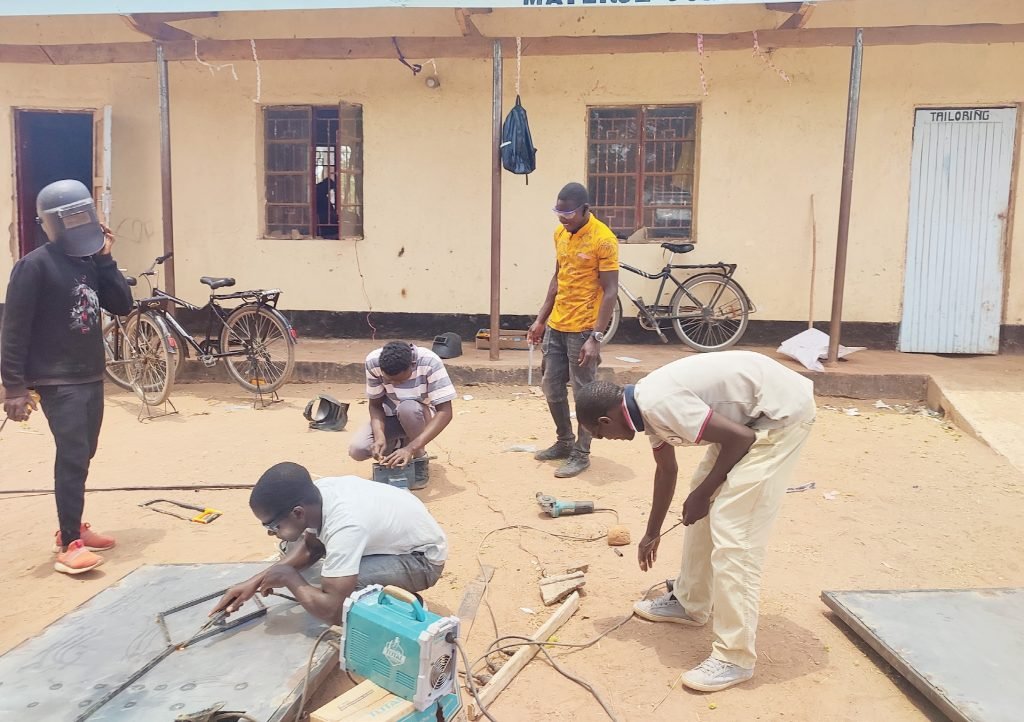
Zulu also calls for deliberate cultivation of entrepreneurial skills so young people can create jobs rather than wait for scarce formal employment. “These reforms must span all stages—from early childhood development to primary, secondary, Tvet [technical and vocational education and training] and tertiary education,” he says. Yet Malawi’s Tvet system remains woefully inadequate, with fewer than 30 000 spaces for millions of young people leaving school without usable skills.
The Malawi Institute of Education’s recent introduction of a competency-based curriculum offers hope. However, Zulu warns that reforms without adequate funding, trained teachers and resources will remain paper ambitions.
[/paywall]
