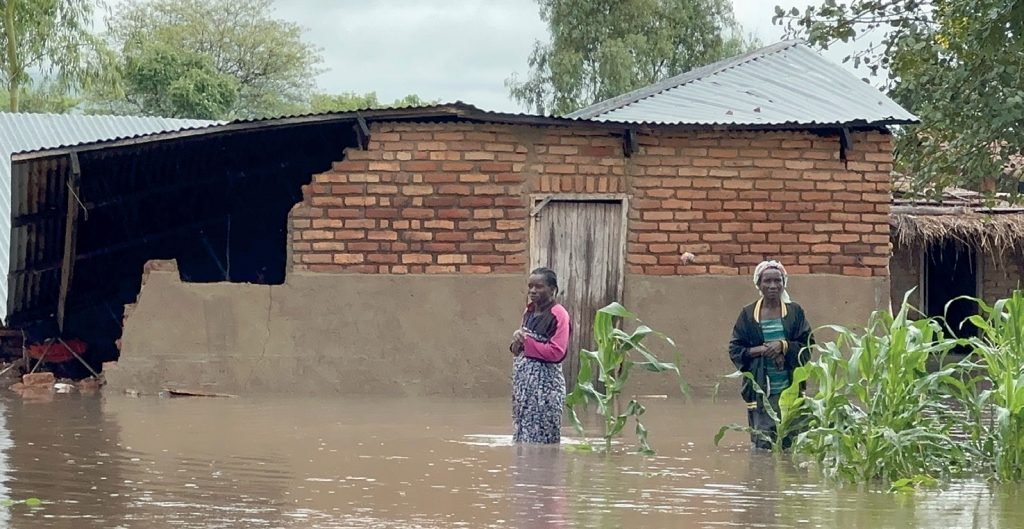
At least 36 people have died since the onset of the rainy season as floods and storms batter Malawi, with all 29 district councils now affected, the Department of Disaster Management Affairs (Dodma) has said. In a statement issued yesterday, Dodma commissioner Wilson Moleni said stormy rains, strong winds, flash floods and lightning have affected 35 758 households or about 160 011 people. A further 168 people have been injured while two remain missing.
Nkhotakota remains the worst-hit district, accounting for 11 deaths, 37 injuries and two missing persons, with 10 772 households affected. Dodma said it is providing food and non-food assistance to verified households, while search and recovery operations continue. The affected councils include major urban centres and lakeshore districts such as Blantyre, Lilongwe, Mangochi, Salima, Karonga and Zomba.
With forecasts pointing to intensifying rainfall, Moleni said Dodma has stepped up early-warning messages, urging communities in low-lying areas to move to higher ground. “Some people are responding and relocating, but others remain hesitant,” he said in an interview, adding that sensitisation will continue to encourage timely evacuation. Earlier this week, the Department of Climate Change and Meteorological Services warned that from January 7 to 9 the country will experience intense downpours, strong winds and frequent lightning, raising the risk of flash floods, particularly in lakeshore and Central Region districts including Nkhotakota, Salima, Kasungu, Mzimba and Mangochi.
[paywall]
Civil Society Network on Climate Change (Cisonecc) national coordinator Julius Ngoma said the repeated warnings should translate into faster preparedness and evacuation. He said: “It is worrying that nearly a month into the rainy season we have already lost 36 lives. “These figures show the urgency of building resilience and fully utilising the Disaster Risk Management Act to prevent further loss of life.” Malawi has endured climate-induced disasters for five consecutive years, from Cyclone Idai to El Niño, cementing its status among the world’s most climate-vulnerable countries.
[/paywall]
