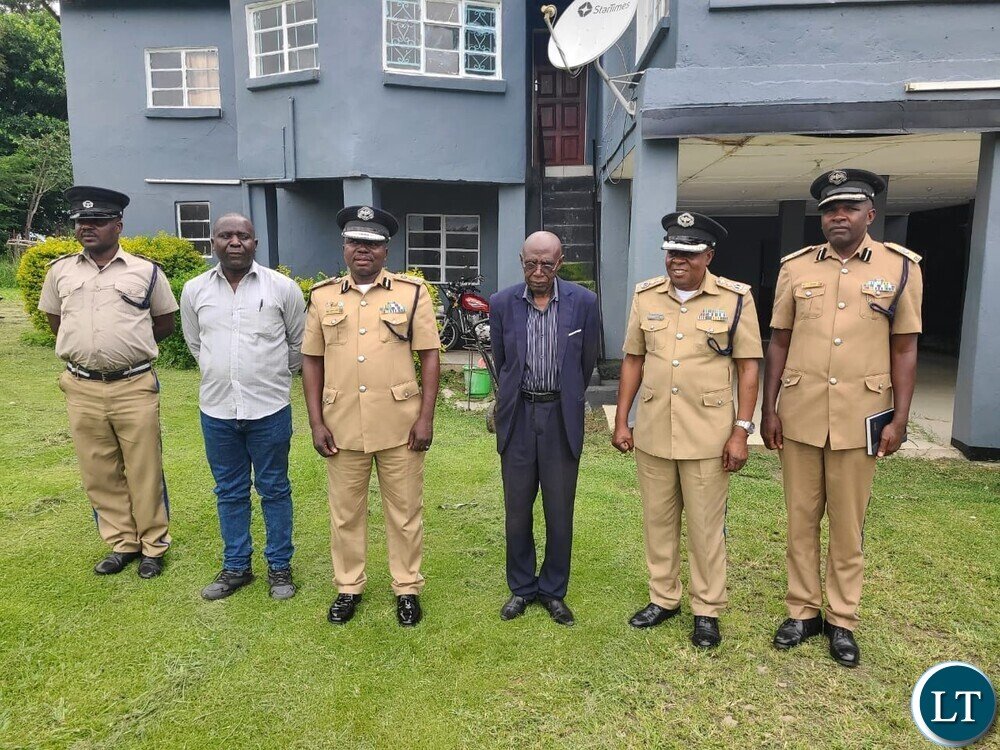
The Zambia Police Service in Northern Province is deeply concerned that some family members of murdered relatives have been refusing postmortem examinations to be conducted on the deceased. Northern Province Police Deputy Commanding Officer Charles Mbita told the media in an interview that refusal by relatives to allow postmortem examinations in suspected murder cases is seriously undermining efforts to seek justice for deceased persons. Dr Mbita says in criminal proceedings involving murder, the complainant is the State, acting on public interest and the deceased person who can no longer speak for themselves.
Dr Mbita says the public interest in establishing the truth, identifying offenders, and ensuring that justice is served must, in such circumstances, respectfully override personal wishes or objections that hinder lawful investigations. Dr Mbita has since urged relatives of deceased persons to cooperate fully with the Police and medical authorities by allowing lawful postmortem examinations to proceed. He says refusal to permit postmortem examinations deprives investigators of critical medical and scientific evidence necessary to determine the true cause of death, identify perpetrators, establish criminal responsibility, and secure successful prosecution before the courts of law.
“Recently, Northern Province recorded two separate murder cases in which relatives of the deceased persons declined to authorise postmortem examinations. In one case, the refusal was based on religious grounds, while in the other, relatives initially cited lack of funds required by the hospital for the procedure,” Dr Mbita explained. He added that despite arrangements being made to waive the fees, relatives still objected to the postmortem examination.
Read Full Article on Lusaka Times
[paywall]
“The Zambia Police Service in Northern Province wishes to emphasize that postmortem examinations play a critical role in criminal investigations, particularly in murder cases,” Dr Mbita said. He said a postmortem examination assists in establishing the actual cause of death, the nature of injuries sustained, possible weapons used, and other forensic findings necessary to support investigations and prosecution before the courts of law. “Members of the public are reminded that under Article 193 (2) (d) of the Constitution of Zambia, Act No.
2 of 2016, the Police Service is mandated to detect and prevent crime and, in this regard, investigate sudden, suspicious, violent, or unnatural deaths,” he cited. “Further, Section 14 (1) of the Inquests Act, Chapter 36 of the Laws of Zambia, empowers a Magistrate, upon application by the Police, to direct a pathologist to conduct a postmortem examination in an alleged murder case for purposes of establishing the cause of death,” he added.
[/paywall]
All Zim News – Bringing you the latest news and updates.
