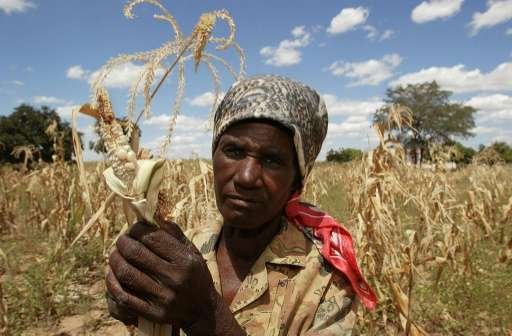
Zimbabwe is currently feeling the impact of the El Niño season which affected the2023/24 summer cropping harvests The governments of Zimbabwe along with Zambia, and Malawi have alldeclared national disastersdue to El Niño-linked droughts Zimbabwean President Emmerson Mnangagwa said the country wouldneed $2 billionto feed the 2.7 million people who would go hungry this year The El Nino seasonstartedin mid 2023 and isending
The El Nino is usually, but not always, followed by the La Nina season This last El Nino followed an‘unusually long La Nina which lasted for 3 years’ Another La Nina is expected this year with the World Meteorological Organisationforecastingthat the chance of La Niña conditions will increase to 60% during July-September and 70% during August-November El Nino and La Nina are climate phenomena associated with variations insea surface temperatures (SSTs) in the tropical Pacific Ocean
El Nino’sname originated in the early 1600s when South American fishermen first noticed periods of unusually warm water in the Pacific Ocean The word itself means little boy in Spanish Definition: El Nino refers to a warming phase within theEl Nino-Southern Oscillation(ENSO) cycle During El Nino, warmer SSTs lead to changes in atmospheric circulation worldwide
El Nino is not a consequence of man-made climate change, it is anatural phenomenonoccurring over several hundred years, although someresearchsuggests that it is being exacerbated by global warming Effects: Drought and Heatwaves – El Nino causes drought conditions, heatwaves, and reduced rainfall:
The weather phenomena do not all occur simultaneously, but at different times during an El Niño event Agricultural impact:El Nino has a negative effect on rain-fed agriculture, affecting food crops When drought or heavy rainfall leads to crop failures, food prices rise on the world market – with severe consequences even for regions not directly affected by the weather phenomena
The El Niño event of 2015/2016 severely affected more than60 million people worldwide with droughts and heavy rainfall Several African countries declared a national state of emergency In SouthernAfrica, food for more than 40 million people was at risk.Ethiopia experienced its worst drought in 30 years– 10 million people were dependent on food aid InHaiti, drought cut crop yields in half
Not only did food supply become a problem, but persistent moisture also led to unusually high incidences of diseases, such as cholera and dengue fever, in various regions.
Source: Factcheckzw
