The National Democratic Revolution (NDR) remains the guiding vision of the ANC and the foundation of South Africa’s democratic project. It is not simply a slogan from the liberation era. It is a long-term programme aimed at transforming a society shaped by centuries of colonialism and apartheid.
At its heart, the NDR seeks to build a South Africa in which race no longer determines life chances, where the economy serves the majority, and where the dignity of those who were historically oppressed is restored. When South Africa achieved democracy in 1994, the struggle did not end. Political freedom created the opportunity to tackle deeper social and economic inequalities.
The democratic state became the key instrument for this transformation. The challenge was whether the new government would merely inherit the structures of the past, or would it reshape them to serve the people? Perhaps the most important achievement of democratic South Africa has been the expansion of what we might call the “circle of dignity.” Under apartheid, citizenship was racialised.
Read Full Article on Mail & Guardian
[paywall]
Rights were denied to the majority. Black South Africans were treated as subjects, not full citizens. Democracy changed this.
Political rights were universalised. The Constitution guaranteed equality, freedom, and human dignity to all. But dignity is not only about legal rights.
It is also about material conditions. Since 1994, millions of households have gained access to electricity, clean water, and sanitation. Communities that were once deliberately neglected have been connected to national infrastructure.
These were not just service delivery programmes, they were acts of social inclusion and historic redemption. A home with electricity and running water represents more than convenience, it symbolises belonging in a democratic society. South Africa has implemented one of the largest state-led housing programmes in the Global South.
Millions of families have received homes. For many, an RDP house meant the first experience of secure shelter and property ownership. It was a visible sign that the state recognised their humanity and their right to stability.
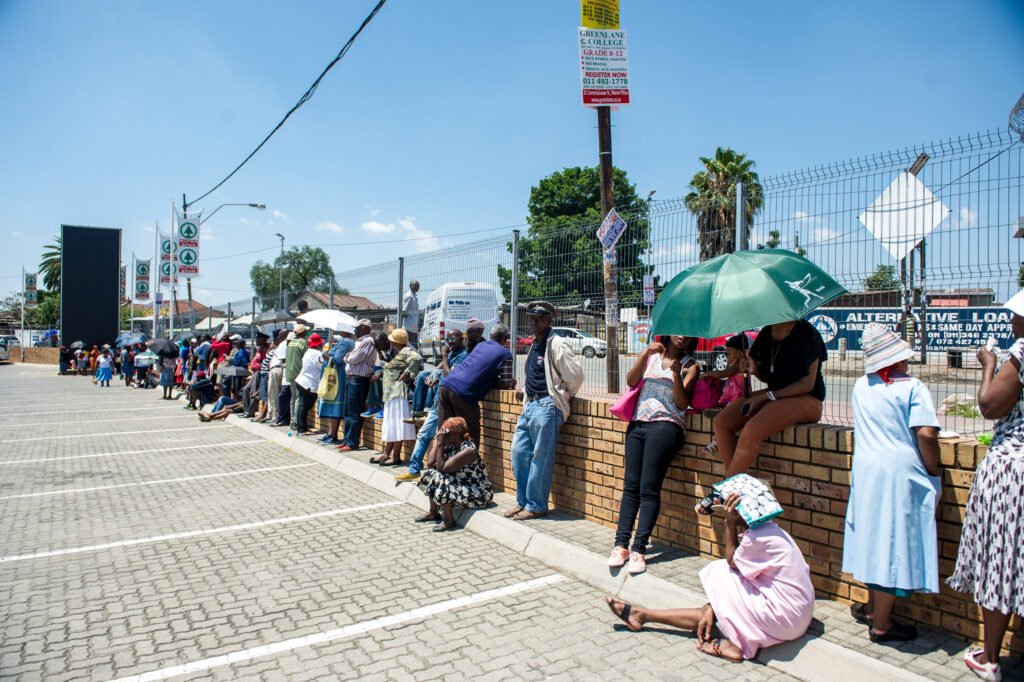
The expansion of social grants has been one of the most significant redistributive measures in democratic South Africa. Grants now support millions of children, older persons, and people with disabilities. In a country facing high unemployment and deep inequality, these grants have reduced extreme poverty and helped families survive difficult economic conditions.
They are part of what is often called the “social wage”, the state’s contribution to protecting the most vulnerable. Democracy has also dramatically expanded access to education. Schools and universities that once excluded the majority have opened their doors.
Student financial aid has enabled many young people from poor backgrounds to access higher education. While serious challenges remain, the demographic composition of South Africa’s professionals, academics, and public servants has changed profoundly. The transformation of public institutions, from the judiciary to the civil service and the corporate sector, reflects a broader shift.
The leadership and visible face of the country increasingly reflect its people. The NDR has always understood South Africa’s struggle as part of a broader global movement for justice and equality.
[/paywall]
All Zim News – Bringing you the latest news and updates.
