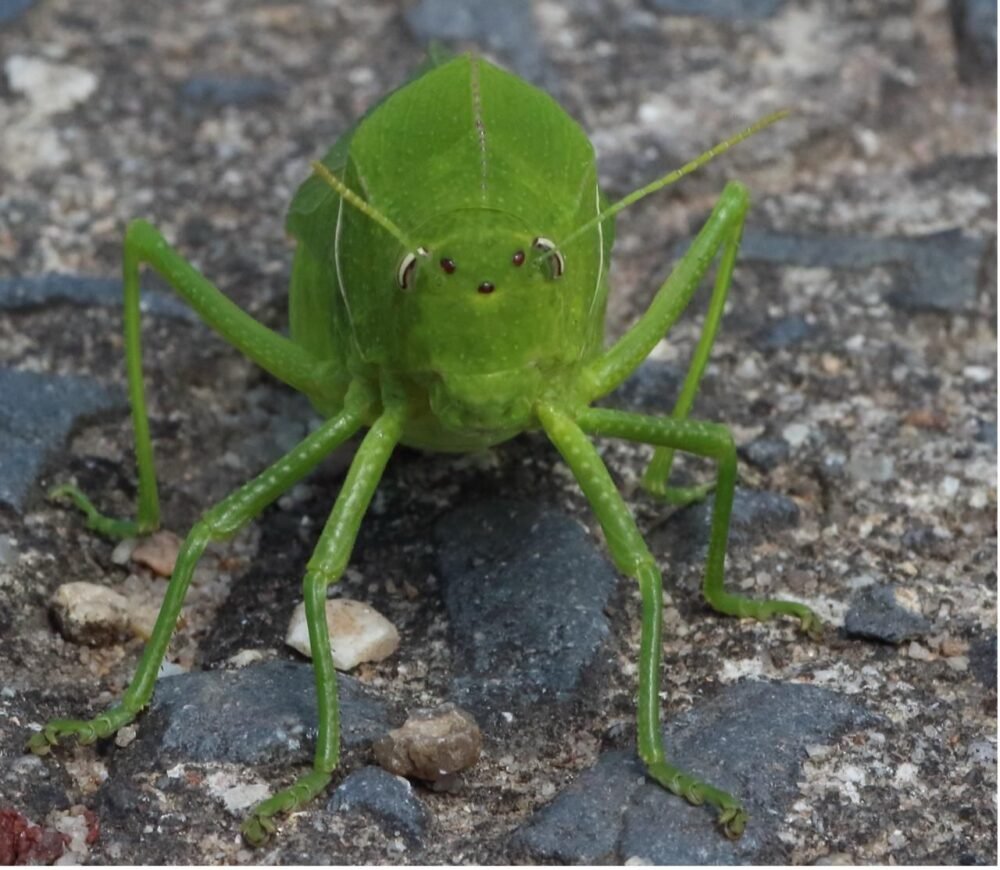
A tiny, long-lost resident of KwaZulu-Natal has re-emerged in a rare blend of scientific persistence and good fortune. Ezemvelo KZN Wildlifeannounced this week that thegranulate bladder grasshopper(Prostalia granulata), an endangered insect not recorded by scientists since 1980, has been rediscovered “alive and well” in theUmtamvuna Nature Reserveon the province’s South Coast. The find underscores the critical biodiversity value of smaller protected areas managed by Ezemvelo.
Until now, the granulate bladder grasshopper was known from only three vague historical locations in Mpumalanga, the KwaZulu-Natal Midlands and the Eastern Cape. Its rediscovery at the Umtamvuna Nature Reserve significantly expands scientific understanding of its range and reinforces the conservation importance of the reserve. “This discovery highlights how even relatively small protected areas play a vital role in conserving South Africa’s biodiversity, including species that are rarely seen and poorly understood,” said DrAdrian Armstrong, Ezemvelo’s animal scientist specialising in herpetofauna and invertebrates.
Armstrong photographed the grasshopper on 1 December 2025 at the Beacon Hill office within the reserve. He said that such findings reaffirm the importance of sustained research, monitoring and effective management of protected areas. The Umtamvuna Nature Reserve is internationally recognised for conserving the critically endangeredPondoland-Ugu sandstone coastal sourveld grasslandand endangered plant species such as thePondo ghostbushand thePondo silkybark tree.
Read Full Article on Mail & Guardian
[paywall]
According to Ezemvelo, the rediscovery – together with a newly collated checklist of endemic and threatened invertebrate species – shows that the reserve also plays a vital role in protecting invertebrates, a group whose conservation value is often overlooked. Bladder grasshoppers are named for the male’s inflated abdomen, which amplifies their distinctive calls that can carry for hundreds of metres. The granulate bladder grasshopper is distinguished by the many tiny raised bumps, or “granules”, covering its body.
Despite its ecological significance, Ezemvelo warned that the reserves faces mounting pressures, including illegal livestock grazing, unauthorised burning and chronic underfunding. “A potential future threat to this endangered species is the drift of pesticides from neighbouring macadamia orchards,” it said, adding that these pressures require ongoing monitoring and management to ensure that the reserve’s biodiversity is protected in perpetuity.
[/paywall]
