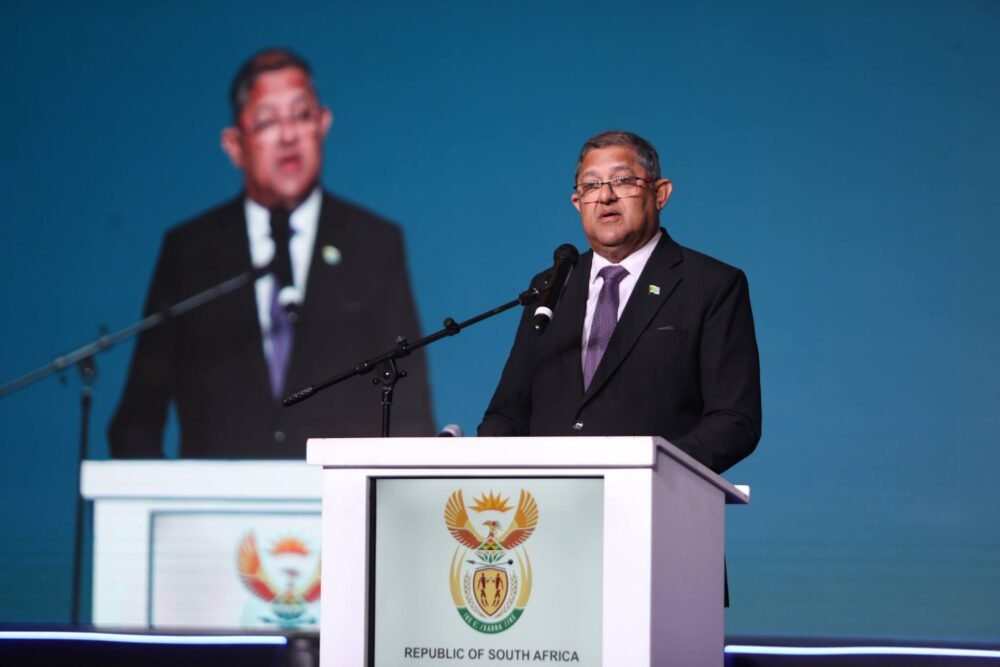
Deputy Forestry, Fisheries and Environment MinisterNarend Singhhas insisted that elephant culling in South Africa will remain a “last resort”. But MPs and animal welfare groups warned that official delays, weak governance and failures to implement humane alternatives are creating the conditions that could later be used to justify it. “Culling is one of the options but it is a last resort option,” Singh told parliament’s portfolio committee on forestry, fisheries and the environment last week.
“Provinces will have to provide scientific evidence of why any of the other options are not applicable in their respective provinces.” His remarks came amid mounting concern over elephant management crises in theMadikwe Game Reserveandparts of Ezemvelo KZN Wildlife, where rising elephant numbers and drought pressure have intensified scrutiny of provincial authorities. Committee chairpersonNqabisa Gantshowarned during the meeting that Madikwe’s elephants were effectively “a single drought away” from a far deeper ecological and welfare crisis, while key stakeholders remained excluded. At the meeting, the department of forestry, fisheries and the environment outlined its forthcomingNational Elephant Heritage Strategy(NEHS), expected to be gazetted by the end of June.
The strategy positions elephants as ecological, cultural and economic assets and proposes a framework for managing “living landscapes with elephants”. But much of the hearing focused on whether failures by provincial authorities to implement available non-lethal interventions were narrowing management options unnecessarily. Democratic Alliance MPAndrew de Blocqquestioned why provincial authorities from North West and KwaZulu-Natal had not been called before parliament to account directly for escalating crises in Madikwe, Pilanesberg and other reserves.
Read Full Article on Mail & Guardian
[paywall]
Gantsho later emphasised that the committee would have a meeting with the provinces to hold them to account. De Blocq cited failures by the provincial elephant task team, including withheld minutes, an overdue final report and indications it had not met at all this year “It is not tenable that the only statutory animal welfare organisation, the NSPCA, continues to be excluded,” he said. While he conceded that culling might become necessary in some circumstances, including potentially in Madikwe, de Blocq argued that existing law and animal welfare principles required all non-lethal options to be exhausted first.
[/paywall]
All Zim News – Bringing you the latest news and updates.
