Malawi has once again shown that its people believe in democracy. Citizens turned out peacefully to vote, proving a growing respect for constitutional rights and democratic values. But elections are only the beginning.
The real test of democracy comes after the votes are counted. As the country enters a new political chapter, attention must shift from the ballot box to something even more important: holding leaders accountable. In Malawi, elections often bring excitement, hope and high expectations.
But once leaders are sworn in, public participation usually drops. Citizens return to daily life, while politics becomes the business of a few. This is where democracy becomes weak.
Read Full Article on Nyasa Times
[paywall]
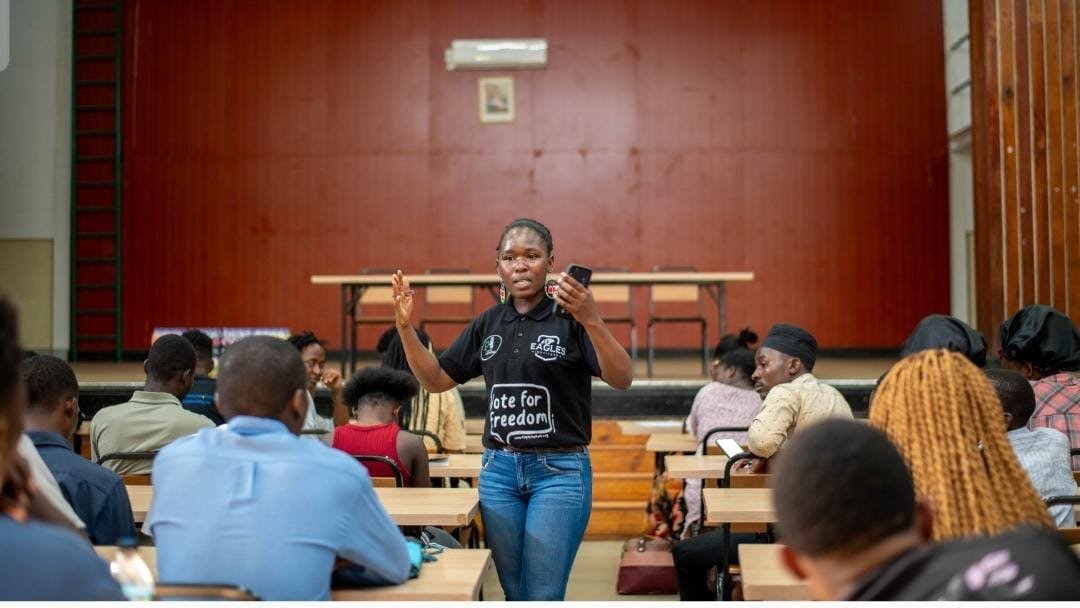
“Democracy cannot be defended only during elections,” says Joan Tambala, Executive Director of Eagles Institute. “It needs informed citizens who stay engaged and demand accountability every day, not just on voting day.” Without active citizens, leaders face less pressure, institutions weaken, and abuse of power becomes easier. However, one question kept coming up: what happens after elections?
This uncertainty revealed a major gap in Malawi’s democratic culture, where many citizens are active during campaigns but become silent once leaders take office. These efforts are meant to build a culture where citizens do not disappear after voting, but remain active participants and watchdogs of democracy. Malawi’s democratic progress was not given; it was earned through struggle, sacrifice and constant pressure from ordinary people.
Yet these gains become fragile when participation is limited to election periods alone. If citizens only show up during elections, freedom becomes seasonal, accountability becomes optional, and power becomes dangerous. The message from Eagles Institute is simple but powerful: democracy is not an event, it is a continuous responsibility.
Defending freedom does not end with casting a vote. It begins there.
[/paywall]
All Zim News – Bringing you the latest news and updates.
