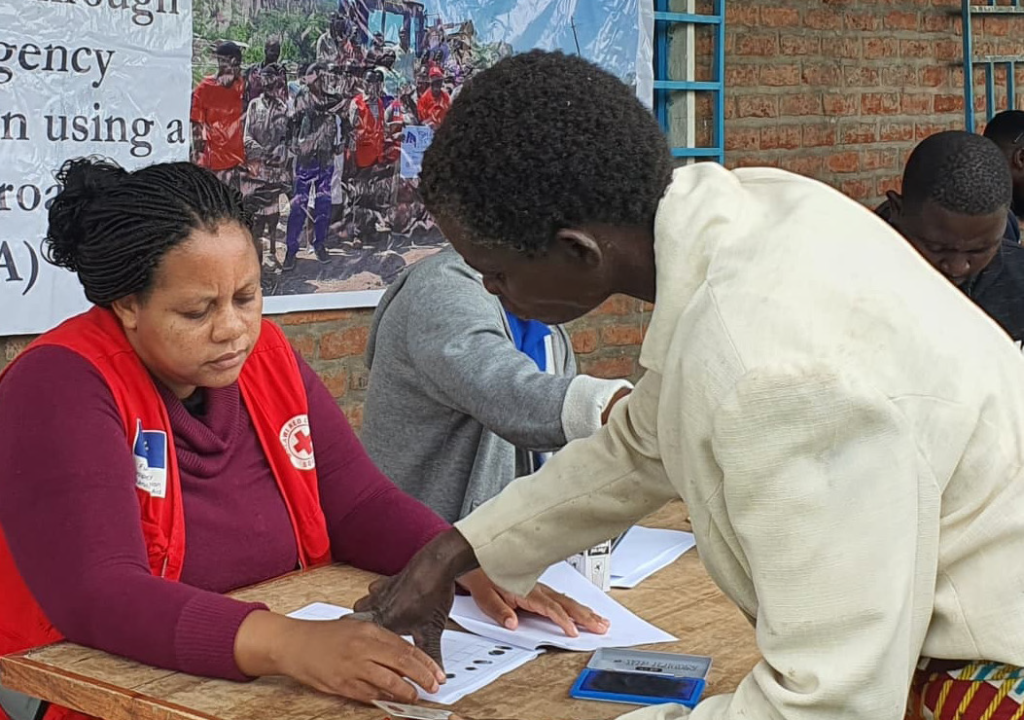
Malawi’s social protection continues to deliver short-term relief, but struggles to sustain livelihoods, economic inclusion and creating jobs due to limited coverage, the country’s development partners have said. The development partners said this is because social safety nets reach just 27 percent of more than 20 million Malawians despite that 51 percent ofthe people live in poverty while 75 percent survive on less than $3 (about K5 253) a day. Additionally, 70 percent of Social Cash Transfer Programme (SCTP) households receive transfers covering less than 20 percent of their consumption needs, according to the development partners namely the World Bank, African Development Bank and the United Nations.
Reads the donors’ Policy Priorities for Malawi’s Recovery Analysis: “Due to persistent poverty, vulnerability to shocks, high rates of youth unemployment and a growing young population, social protection remains a critical investment. “Social protection remains focused on social assistance, with little support for economic inclusion, entrepreneurship, social insurance, or labour-market interventions, areas crucial to the livelihoods of low-income households.” Malawi spends just 0.9 percent of its gross domestic product on social safety nets, below the two percent regional average while heavy reliance on donor aid, at 95 percent, puts their sustainability at risk. According to the development partners, SCTP has increased food consumption by 23 percent, improved food security by 13 percent among extremely poor households and raised primary and secondary school enrolment rates by 11 percent and 13 percent, respectively.
However, a 2025 SCTP evaluation found that households exiting the programme are nine percentage points poorer, consume 14 percentage points less and own less livestock than current participants two years after leaving. A beneficiary from Blantyre Rose Makawa said despite being on the programme for three years, little has changed. “The value has been eroded and I cannot even show [anything] for it,” she said.
[paywall]
In an interview on Tuesday, Centre for Social Concern economic governance officer Agness Nyirongo observed that a deepening cost of living crisis is eroding household welfare faster than social protection programmes can respond, exposing structural weaknesses that go far beyond food prices alone. She said with the cost of living at K938 841, social protection should be expanding in scale, value and reach. “While social protection programmes help reduce extreme hunger, they rarely enable families to invest, save or build sustainable livelihoods. “As a result, many beneficiaries remain trapped in a cycle of poverty, waiting for the next transfer, the next public works cycle or the next shock.”
[/paywall]
