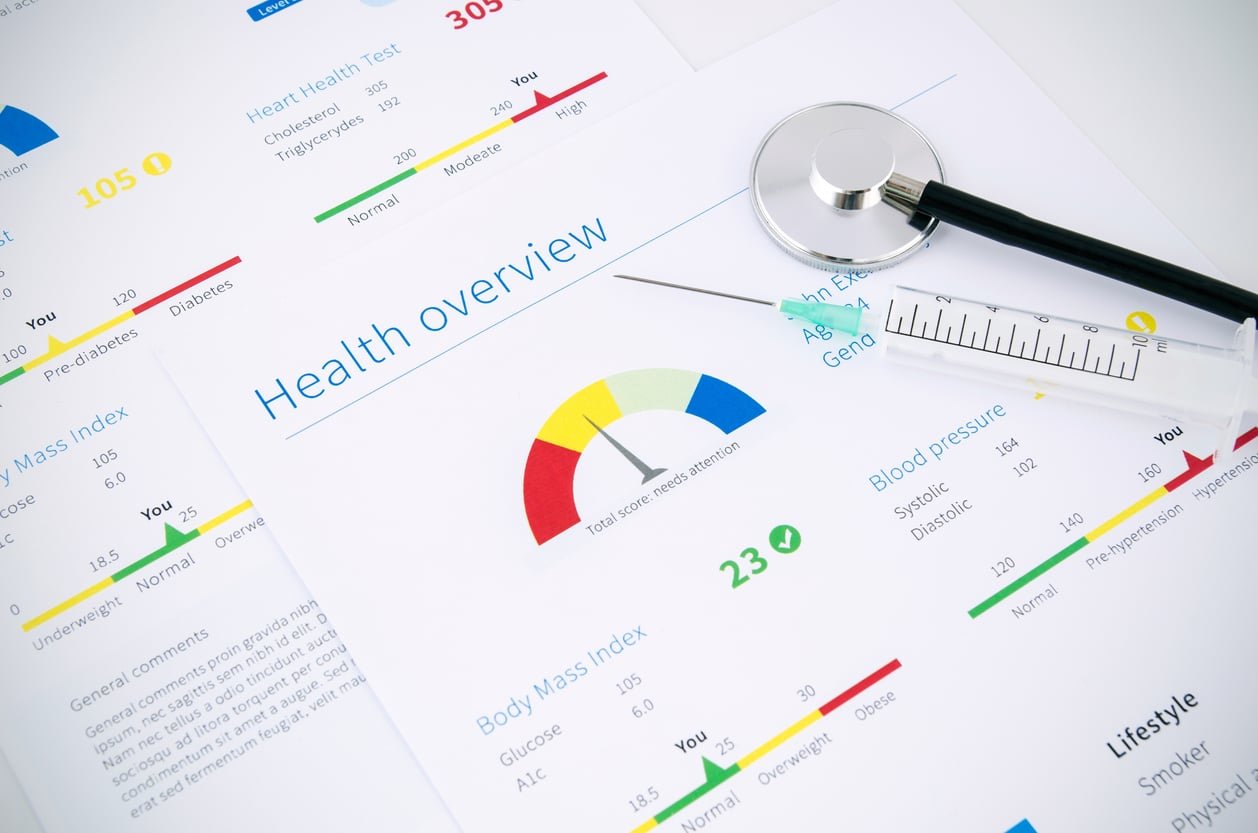

A solid baseline health assessment, according to experts should focus on key indicators of metabolic and cardiovascular health. Picture: iStock
Every year on 10 May, Global Move for Health Day serves as a reminder that physical activity is not about gym memberships or elite athleticism. It is a fundamental human behaviour, and one that millions of people are simply no longer doing enough of.
The Covid-19 pandemic left a lasting mark on how South Africans move. Lockdowns normalised extended periods of sitting, and the shift to remote work stripped out the incidental movement that used to fill ordinary days: commuting, social events, walking between offices. Even after restrictions were lifted, the sedentary patterns largely stayed.
The consequences are significant. According to the World Health Organisation, physical inactivity is now the fourth-leading risk factor for global mortality, directly linked to an elevated risk of heart disease, type 2 diabetes, certain cancers and depression.
Closer to home, research suggests that fewer than one in three South African adults meets recommended physical activity guidelines. The average office worker in South Africa may sit for more than 10 hours a day (desk time, commuting and screen time at home combined).
The problem, health experts note, isn’t simply the absence of exercise. It’s the quantity of uninterrupted stillness. Studies have shown that prolonged sitting, defined as more than eight hours a day, increases cardiovascular disease risk even in people who exercise regularly.
Muscles that remain inactive for extended periods begin to reduce their production of lipoprotein lipase, an enzyme critical to breaking down fats in the bloodstream. Over months and years, these patterns accumulate into more serious consequences.
The good news is that a complete lifestyle overhaul is not required to reverse the damage. Research consistently shows that moderate, consistent physical activity, even in short bursts, delivers meaningful wellness benefits.
The concept of “exercise snacks” has gained significant traction in clinical research. This refers to brief bouts of activity spread throughout the day, such as a brisk five-minute walk after meals.
A 2022 study published in Nature Medicine found that just three to four minutes of vigorous incidental activity per day was associated with a 40% to 50% reduction in cancer risk in adults who don’t regularly exercise.
Before changing your activity levels, particularly if you have been inactive for some time, there is a step most people skip entirely. Catherine Gay, clinical risk specialist at Fedhealth, says understanding your baseline health status is not optional. It is the foundation everything else is built on.
“Ideally, people should review and update their baseline health status at least once a year, even if they feel great. An annual check provides a consistent benchmark to track changes over time and identify risks early,” Gay said.
Read Full Article on The Citizen
All Zim News – Bringing you the latest news and updates.
