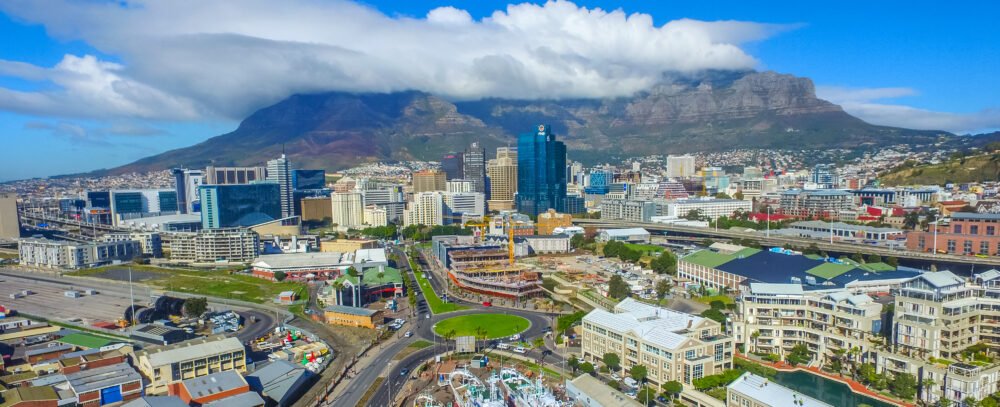
I love Cape Town but it is a city filled with contradictions. We sell mountain views and ocean sunsets to the world. We host global events and celebrate record tourism numbers.
Yet we speak about housing shortages, affordability crises and the slow exodus of long-term tenants from once-accessible neighbourhoods. TheCity of Cape Townrecently announced a new bylaw that will charge commercial municipal rates on short-term rentals such asAirbnb. This could result in a 135% tariff increase for certain short-term rental properties.
While many support the tariff, the question is not whether it is well-intentioned but whether it addresses the issue it aims to solve. What is the tariff targeting? The proposed increase applies to properties available for short-term letting of 60 days or more a year.
Read Full Article on Mail & Guardian
[paywall]
In other words, it is not aimed at someone renting out their primary residence over December to cover school fees. It is aimed at properties operating consistently in the short-term rental market. As if they were their own small hospitality business.
I chatted to Nic Tromp, the CFO of Blok. Blok has developed more than 20 residential developments in the Atlantic Seaboard and Cape Town CBD over the past 11 years. Tromp says the apartments most affected will be the larger, higher-value lifestyle properties.
A R30 million villa paying around R12 000 in monthly property rates could see a 135% increase in rates. As the villas don’t have high net yields to hide the increase, they’ll feel it the most. Based on Blok’s numbers, owners could see a roughly 0.8% decline in net rental returns, assuming revenues remain flat.
That is not insignificant. But it is not catastrophic either. Tromp says some self-managed, short-term operators might exit the market due to fear and uncertainty.
That could push a portion of stock back into the long-term rental pool. Professional operators with technology and pricing strategies might absorb the additional cost by increasing their average daily rates. If that happens, supply in the short-term market shrinks, pricing rises and professionalisation accelerates. But does that create more affordable housing?
[/paywall]
All Zim News – Bringing you the latest news and updates.
