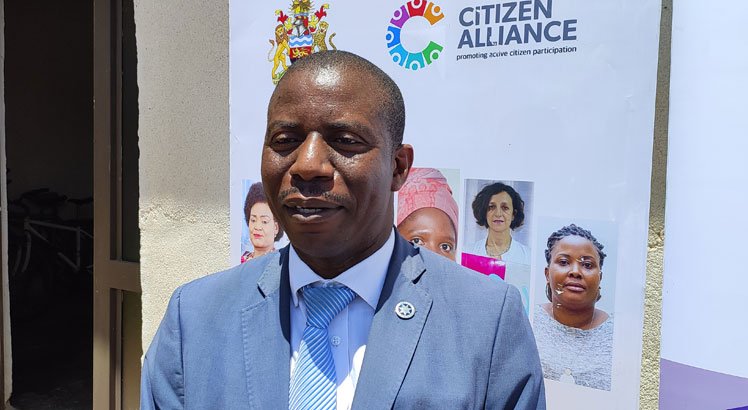
National Advocacy Platform (NAP) has asked President Peter Mutharika to facilitate an urgent review of the fuel price build-up and implement targeted reduction, suspension or zero-rating of selected taxes and levies for a defined period. NAP’s request comes a decision by Capital Hill to stick to fuel levies in the fuel price build-up despite increasing calls from opposition political parties, civil society organisations (CSOs) and economists to suspend or revise some of the levies in the aftermath of last Wednesday’s 34 percent price increase. In a letter to Mutharika dated April 3 2026, NAP chairperson Benedicto Kondowe said while Malawi cannot control global oil markets following the US-Israel joint war against Iran, it retains responsibility for how such external shocks are managed domestically.
He said action on taxes and levies will provide immediate relief while maintaining the integrity of the pricing framework, citing an example of Zambia where government suspended excise duty on fuel imports for three months. Reads NAP’s letter: “We are aware that the Price Stabilisation Fund [PSF] has been depleted; however, consideration of alternative fiscal buffers to cushion the public from abrupt oil price shocks would be both necessary and beneficial. “The government, in coordination with the Reserve Bank, should develop and implement short- to medium-term interventions aimed at containing inflationary pressures and stabilising interest rates likely to rise due to elevated fuel costs.” In an earlier interview, Economics Association of Malawi pPresident Bertha Bangara-Chikadza said while higher taxes are good for domestic revenues and national income independence, they may also mean low development.
Presidential press secretary Cathy Maulidi did not respond to our query on the matter by press time at 8pm pesterday. But Minister of Energy and Mining Jean Mathanga defended the levies in Parliament last Thursday, arguing that the road levy, rural electrification levy and under-recovery charge are essential for financing roads, expanding electricity access and settling arrears owed to fuel suppliers. She warned that rolling them back would undermine road rehabilitation and long-term energy investments.
[paywall]
Minister of Finance, Economic Planning and Decentralisation Joseph Mwanamvekha echoed the position, framing the issue as a fiscal constraint rather than a policy choice. Effective April 1, the Malawi Energy Regulatory Authority (Mera) raised petrol to K6 672 per litre and diesel to K6 687, an increase of about 34 percent, citing rising Free on Board costs and in-transit expenses on the global market.
[/paywall]
All Zim News – Bringing you the latest news and updates.
