On Wednesday, February 18, 2026, Statistics South Africa will release the country’s January 2026 inflation data. One of the product categories that some will be examining closely is food, particularly amid rising concerns about the impact of foot-and-mouth disease. What follows are broad observations on considerations we must keep in mind before these data are released and when assessing the direction of consumer food price inflation in 2026.
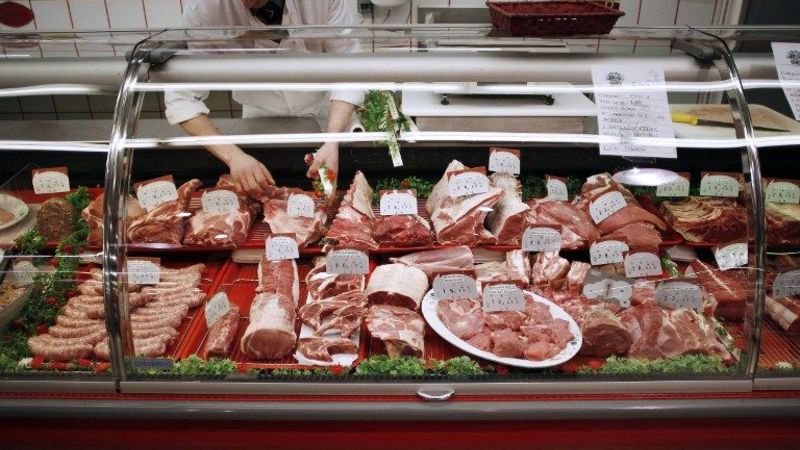
Firstly, we have generally been in an environment of moderating food price inflation. However, it is probably fair to say that in the second half of 2025, we saw a mild uptick, mainly underpinned by higher meat prices. In fact, South Africa’s consumer food price inflation stabilised at 4.4% in December 2025, unchanged from November.
However, on an annual basis, we ended 2025 with an average food price inflation rate of 3.9%, down from 4.0% the previous year. For much of 2025, the primary drivers of the deceleration in food price inflation from higher mid-year levels were fruit and nuts, vegetables, meat, sugar, confectionery, and desserts. The ample supplies, combined with the base effects, contributed to the easing of price inflation for these products.
Read Full Article on Mail & Guardian
[paywall]
Secondly, we are starting 2026 with these fundamentals still underpinning the environment in which we operate. For example, grain prices are down by over 30% from a year ago due to large supplies. South Africa had an abundant harvest, with the 2024-25 summer grains and oilseed harvest estimated at 20.08 million tonnes (up 30% y/y).
The exports of staple grains, such as maize, have been much slower than we anticipated. South Africa’s maize export forecast is 2.4 million tonnes for the marketing year that ends in April 2026. However, so far, we have exported only about 1.5 million tonnes of maize.
Given that we are two months towards the end of the 2025-26 maize marketing year (which corresponds to the 2024-25 production year), it seems likely that we will end the year with substantial stocks. This will be a solid foundation for the next marketing year. The new season also looks encouraging.
We have been receiving favourable rainfall since the start of the season. The farmers have also planted quite a sizable area. For example, South Africa’s 2025-26 preliminary area plantings for summer grains and oilseeds are 4.54 million hectares, up 2% from the previous season.
There is a broad expansion in the area under major crops. Assuming we get a decent harvest, it will build on the ample stocks of the previous season, thus keeping grain and oilseed prices under pressure. I must also state that there are generally large grain supplies in the world market.
This is important context, since we import all of our annual rice consumption and half of our annual wheat, both of which are more affordable at present. This stronger domestic currency also helps greatly for 2026, boding well for moderating consumer food price inflation. Indeed, in parts of Limpopo and Mpumalanga, we observed severe flooding in the past few weeks.
But these fortunately came after the completion of the potato season. Thus, there appears to be no significant vegetable damage.
[/paywall]
All Zim News – Bringing you the latest news and updates.
