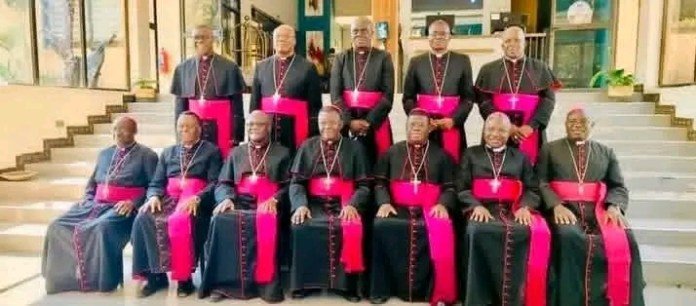
The Catholic Bishops of Zambia have issued a strong moral and civic warning ahead of the August 2026 General Elections, urging political leaders, electoral institutions, and citizens to reject division, violence, and manipulation in favour of peace, integrity, and issue-based democratic participation. In a Pastoral Letter dated 30 January 2026, the Zambia Conference of Catholic Bishops (ZCCB) said Zambia stands at a defining crossroads, where the conduct of elections will either strengthen democracy or plunge the nation into political intolerance and social fragmentation. The bishops observed that while elections offer an opportunity for national renewal, Zambia continues to grapple with serious challenges, including the high cost of living, unemployment, corruption, rising national debt, and growing political hostility, which threaten national unity.
ZCCB stressed that politics must be viewed as a moral responsibility and service to the common good, not a ruthless contest for power. They warned that leadership driven by selfish ambition, exclusion, and abuse of authority erodes democratic values and undermines respect for human dignity, particularly among the poor and vulnerable. The bishops described voting as both a civic and moral act, urging citizens to participate responsibly and make informed choices based on leadership character, policy direction, and national vision.
They cautioned against vote-buying, fear-mongering, and tribal alignment, stating that such practices distort the will of the people and weaken democratic legitimacy. They emphasized that transparency must be guaranteed at every stage voter registration, campaigns, polling, counting, and declaration of results warning that any breach of electoral integrity would amount to a betrayal of public trust. The bishops expressed concern over the continued use of insults, tribal rhetoric, and character assassination in political discourse.
Read Full Article on Zambian Observer
[paywall]
They urged political parties and candidates to focus on substantive national issues, including economic hardship, energy challenges, youth unemployment, debt management, poverty reduction, and national cohesion. ZCCB reiterated that the Church remains strictly non-partisan, warning clergy against aligning with political parties or allowing church platforms to be used for political campaigns. The bishops further urged political players and supporters to commit to peaceful acceptance of election outcomes and to resolve disputes through legal and constitutional channels.
[/paywall]
