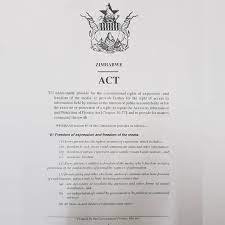

Stakeholders in Bulawayo have called on lawmakers to ensure the proposed Occupational Safety and Health (OSH) Bill places greater emphasis on preventive rather than reactive measures, in order to create safer workplaces. The appeal was made during public hearings held by the Parliamentary Portfolio Committee on Public Service, Labour and Social Welfare at a city hotel. The OSH Bill seeks to consolidate fragmented laws governing workplace safety, align with international standards such as the ILO Convention No.
155, and introduce new provisions including whistleblower protection and stronger enforcement mechanisms. It proposes the creation of an Occupational Safety and Health Department, an Accident Prevention and Workers’ Compensation Fund, and the Zimbabwe Occupational Safety and Health Advisory Council. Committee chairperson Dexter Malinganiso said the proposed legislation would modernise outdated laws.
“The Bill seeks to align the law with our 2013 Constitution. It seeks to repeal some old laws that no longer speak to today’s operations—such as the Factories and Works Act [Chapter 14:08] and the Pneumoconiosis Act [Chapter 15:08]. Some of these provisions were relevant back when people were working in factories and under different conditions, but now a lot of things have changed,” he said.
Continue reading this article from CITE.
[paywall]
Malinganiso said the Bulawayo hearing had been one of the most active. “We are very happy with the turnout here in Bulawayo. It is actually way higher than in other areas we have been to.
Even the contributions that were made were very vital. In other areas, you could tell that people did not understand this particular law, but here we had a different crowd that actually understood the necessary changes,” he added. The Pneumoconiosis Act, which the Bill seeks to repeal, currently provides for examinations and compensation for workers suffering from occupational lung diseases.
One participant at the hearing said the Bill should expand protections to cover non-employees. For example, the prisons and correctional services have programmes where they take inmates for training at different facilities. Some get harmed in the process, but they are neither covered by the company nor by the ZPCS.
At the end of the day, they get no assistance or compensation,” she said. A teacher who attended the hearing raised concerns about the safety of schools offering practical subjects.
[/paywall]
Source: CITE
AllZimNews is an aggregation platform. We summarize and link to original sources to help readers discover news. Please visit the source link for the full article and context.
