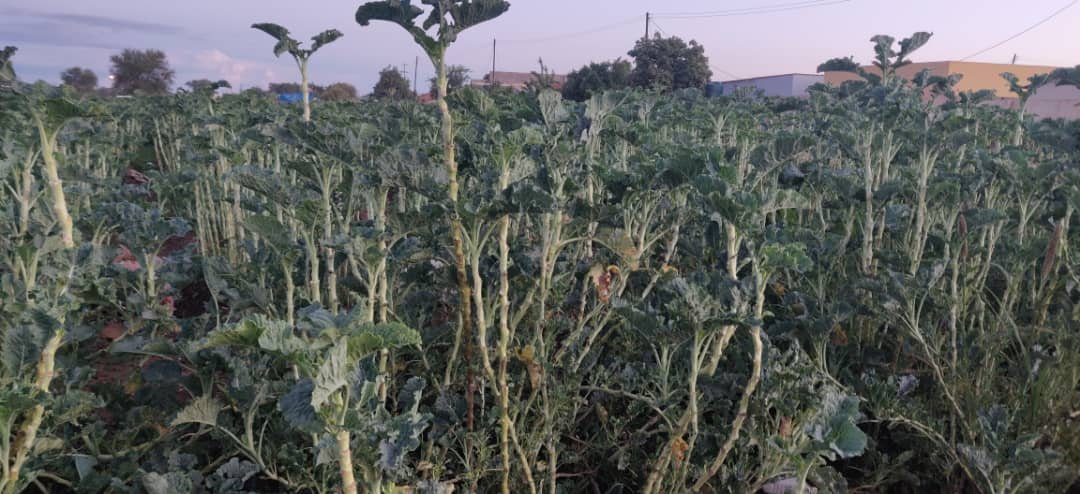
Bulawayo’s community gardens, started more than two decades ago as a grassroots solution to hunger, poverty and climate shocks, are facing acute challenges that are severely threatening their survival, an investigation has shown. Chronic water shortages, failing boreholes, insecure land tenure and weak institutional support are pushing projects meant to protect vulnerable communities into a state of permanent crisis. The investigation across Bulawayo’s high-density suburbs supported by Information for Development Trust (IDT) shows that, while community nutrition gardens continue to provide food and small incomes, their long-term sustainability is under threat.
Yet, despite these pressures, the gardens still deliver important, even if fragile, gains for women, widows, the elderly and unemployed youths. Community gardens in Bulawayo began emerging in the early 2000s and were formalised through the city’s 2000 Urban Agriculture Policy. The initiative aimed to improve food security, reduce poverty and create income for vulnerable urban households at a time when formal employment was already declining.
Donor organisations and the city council supported the establishment of gardens in suburbs such as Entumbane, Emganwini, Nkulumane, Nketa, Luveve and Lobengula. The gardens were subsequently handed over to the communities, which have been running them on their own for years, with some intermittent support from the council. But one of the problems in recent years has been the poor availability of water.
[paywall]
For Bulawayo City Council (BCC), water shedding has become a recurring feature of city life, driven by low dam levels, ageing infrastructure, power outages and rising demand. According to council minutes of 28 November 2025, the combined storage capacity of dams supplying Bulawayo stood at 38.41 percent as of 20 October 2025.
[/paywall]
