While thedepartment of trade, industry and competitionhas warned that tariffs on completely built-up imported vehicles could rise from 25% to 50%,BMW Group South Africachief executivePeter van Binsbergensays the automotive industry is not seeking such a large increase but rather targeted measures that encourage local vehicle production. South Africa, a member of theWorld Trade Organisation, has a maximum legally committed tariff rate of 50% on completely built-up vehicles. “Fifty percent would be a shock and we don’t want to shock the system because there’s often unintended consequences,” said Van Binsbergen.
“The worst being affordability for an entry-level consumer who has double the duty put on a car. We’re not asking for that.” The automotive industry was asking for “fine-tuning of the measures”, which would include an increased tariff, he said. “The main objective of that is we need to make real production in South Africa.
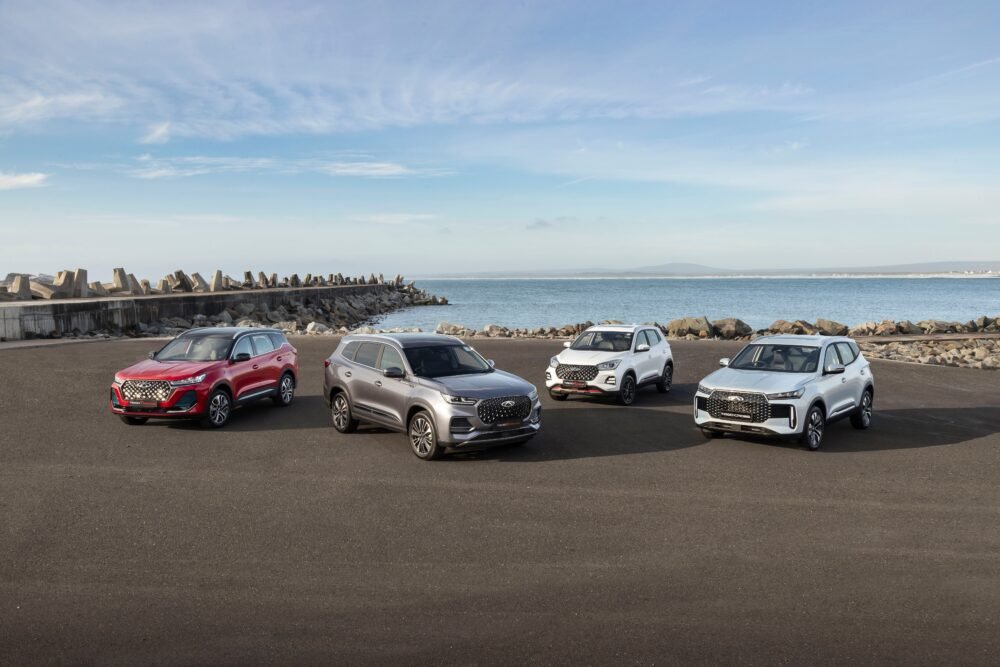
Welding the body together, painting it and then assembling the vehicle here, but not screwdriver assembly like SKD [semi-knocked down] plants are doing. “Essentially, we need to make it viable for more brands to come to South Africa and then they become part of the solution.” Van Binsbergen, who is also the president of theAutomotive Business Council, said that would then bring in the manufacturer’s suppliers and create employment. This comes on the back of the rise in Chinese vehicle imports in South Africa, which have been experiencinga huge amount of growthin sales in the past year.
Read Full Article on Mail & Guardian
[paywall]
Even though the BMW group reported 12% growth in South Africa in 2025 and continued its dominance in the premium vehicle segment, Van Binsbergen said no brand was immune to the impact Chinese vehicles were having. “It’s weird not sitting back and saying: ‘We’re premium; we don’t have to worry.’ We are studying these [Chinese] brands in great detail to analyse what makes them strong or not,” he said. “We are also focusing more on our strengths rather than others’ weaknesses.
But it would be arrogant to say that we are immune to it. “We had a record year, so I think strong brands are more resilient. It’s about the value proposition, not just the sticker price.
Things like resale value, how you are looked after, parts availability. But it’s different for different brands and different consumers, so you can’t make a blanket-wide assumption.” In 2025, Omoda Jaecoo announced that sales surged by 147% year-on-year in South Africa, with the brand accelerating past the 10 000 sales mark.
[/paywall]
All Zim News – Bringing you the latest news and updates.
