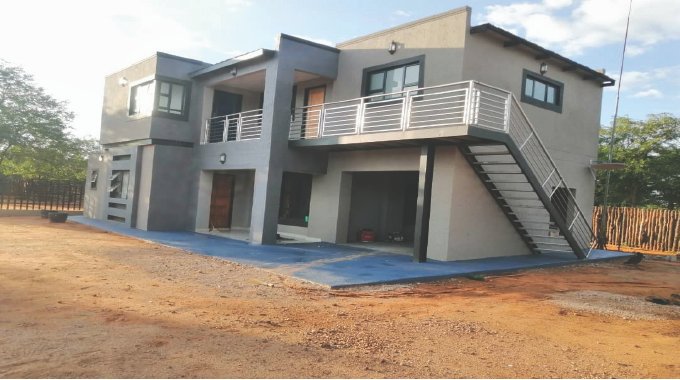
A quiet property boom is taking shape across rural Zimbabwe, with houses rising, plots changing hands and informal rental markets emerging in areas once considered unsuitable for real estate development. But experts are warning that much of the growth is taking place on legally fragile ground, leaving buyers exposed to significant ownership risks. From Domboshava on the outskirts of Harare to Chivi in Masvingo Province, and from Maphisa growth point in Matabeleland South to Mabasa in Zvishavane, rural land has become an increasingly attractive alternative for families priced out of urban housing markets.
Returning diaspora families and first-time homeowners are among those investing heavily, often assuming that occupation and development amount to ownership. However, the President of the Real Estate Institute of Zimbabwe, Desire Dube, says the surge masks deep structural problems around land tenure. “What we are witnessing in Zimbabwe is the emergence of a new rural property market,” Dube said.
“Previously, rural areas were regarded as primitive, so in that sense this development is a good phenomenon. But the critical issue is security of tenure.” He compared Zimbabwe’s rural developments to country estates in countries such as the United Kingdom and China, where rural land is commercially developed but backed by legally enforceable title deeds. “The difference is that in those jurisdictions rural land has title deeds,” he said.
[paywall]
“In Zimbabwe, only agricultural land with permits and land designated as townships under the Rural District Councils Act can have stronger forms of tenure. Most communal land does not.” Dube warned that without title deeds, rural property holders face risks similar to those of urban residents living on lease agreements rather than full ownership. “If someone in Makokoba, Chikanga or Rujeko does not have a title deed, there is no real difference between that person and someone living in a rural area,” he said.
“Both lack a globally enforceable document confirming ownership, and neither can use the property as collateral to borrow from a bank.” He said real estate markets depend on confidence and enforceable rights. “Real estate thrives on security of tenure. Where confidence in tenure is low, fear replaces investment certainty.” Despite the risks, rural land transactions continue to flourish, often based on informal agreements, customary approvals or endorsements from traditional leaders. Buyers frequently assume that the freedom to sell, build or rent out property amounts to ownership.
[/paywall]
