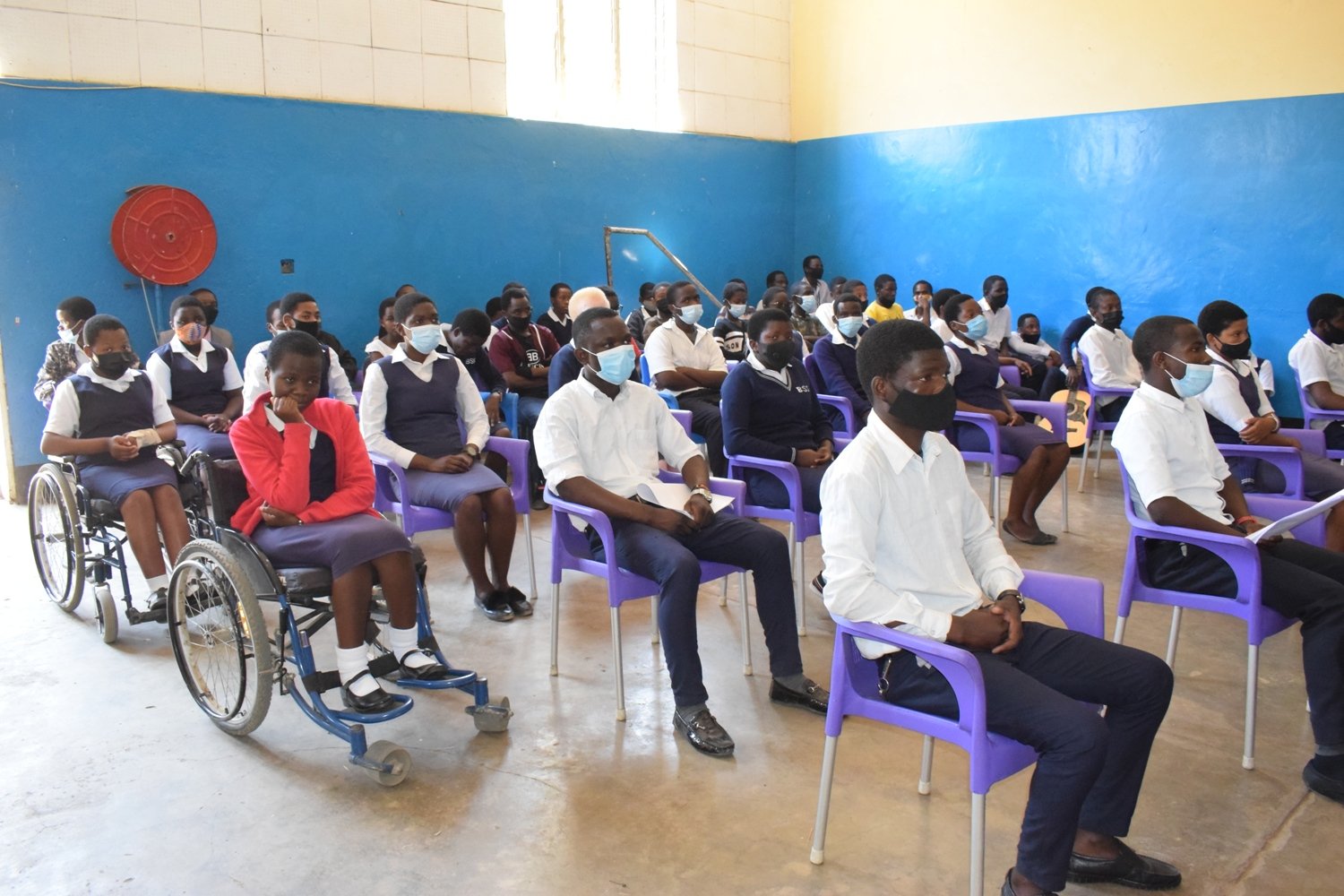
This policy decision reveals far more about government unpreparedness than it does about innovation in education. On the surface, moving over 100 self-upgraded primary school teachers to secondary schools sounds like a practical solution to an urgent problem. Secondary schools are understaffed, enrolment has surged due to free secondary education, and classrooms are overflowing.
Government needed bodies in front of learners, fast. But when you look deeper, this move exposes serious structural weaknesses and poor planning. That has two negative effects.
It demotivates the teachers, and it signals that quality and professional standards are being compromised for convenience. Second, this policy confirms that government was not ready for free secondary education. A major reform like free secondary schooling should have come with a clear plan for teacher recruitment, training, deployment, and financing.
Read Full Article on Nyasa Times
[paywall]
Instead, what we are seeing is reactive firefighting. Third, the quality question is unavoidable. While self-upgraded teachers may hold diplomas or degrees, many were trained for primary education and may lack subject depth, pedagogy, and classroom management skills required at secondary level.
Teaching Form 1 is not the same as teaching Standard 4, even if one holds a degree. Without proper induction, retraining and supervision, this risks lowering learning outcomes, especially in critical subjects like mathematics, sciences and languages. Fourth, this policy may actually create new problems in primary schools.
Malawi already struggles with high pupil-to-teacher ratios at primary level. Removing experienced teachers weakens the foundation of the education system. In essence, this policy is a stopgap, not a strategy.
It may help keep secondary schools open in the short term, but it does not address the real problem: lack of planning, underfunding, and human resource mismanagement. Instead of reflecting readiness for free secondary education, it exposes a system that rolled out a major reform without the basic tools to sustain it. The policy sends a worrying message: government is improvising its way through one of the biggest education reforms in decades, using temporary fixes where long-term structural solutions were needed.
[/paywall]
