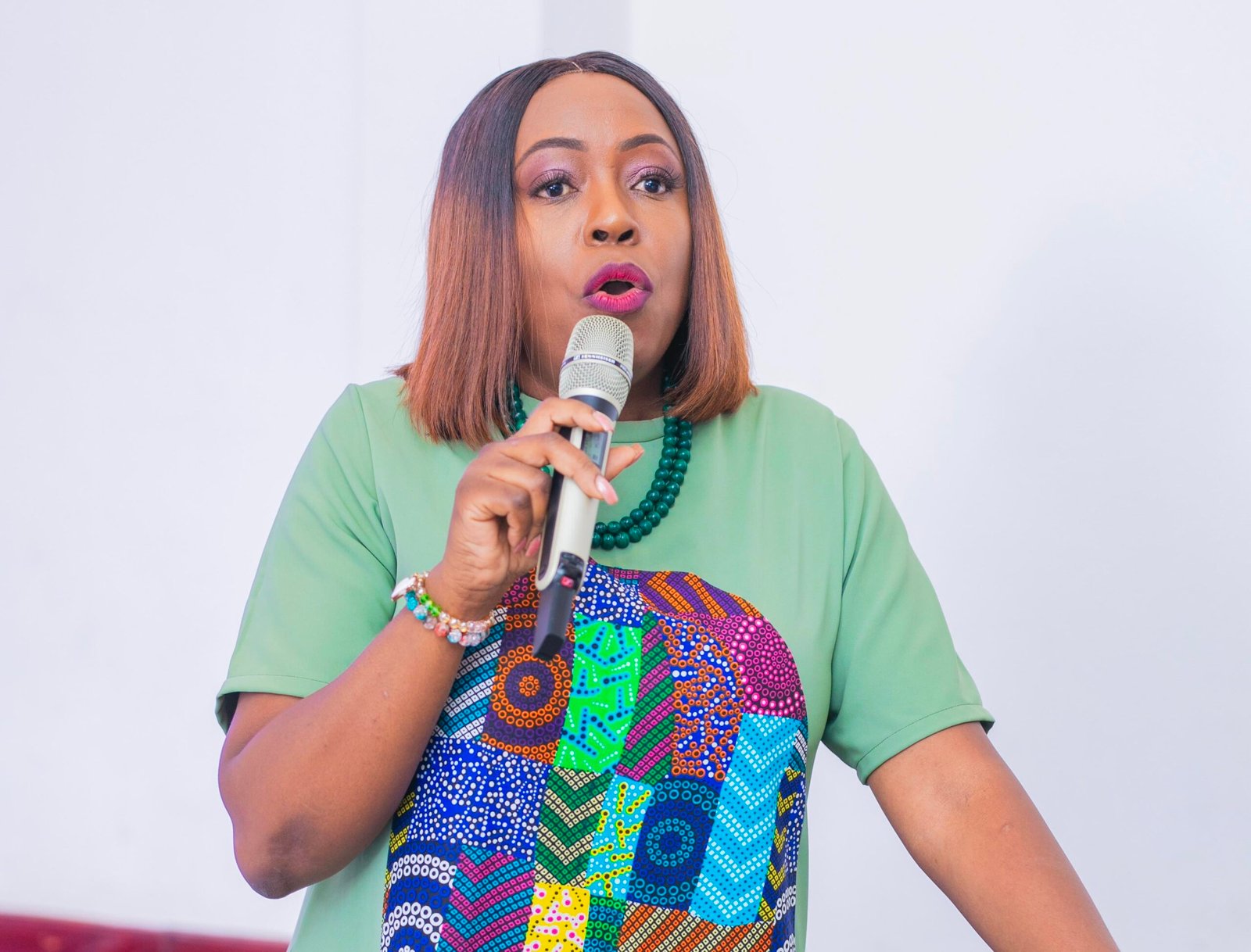
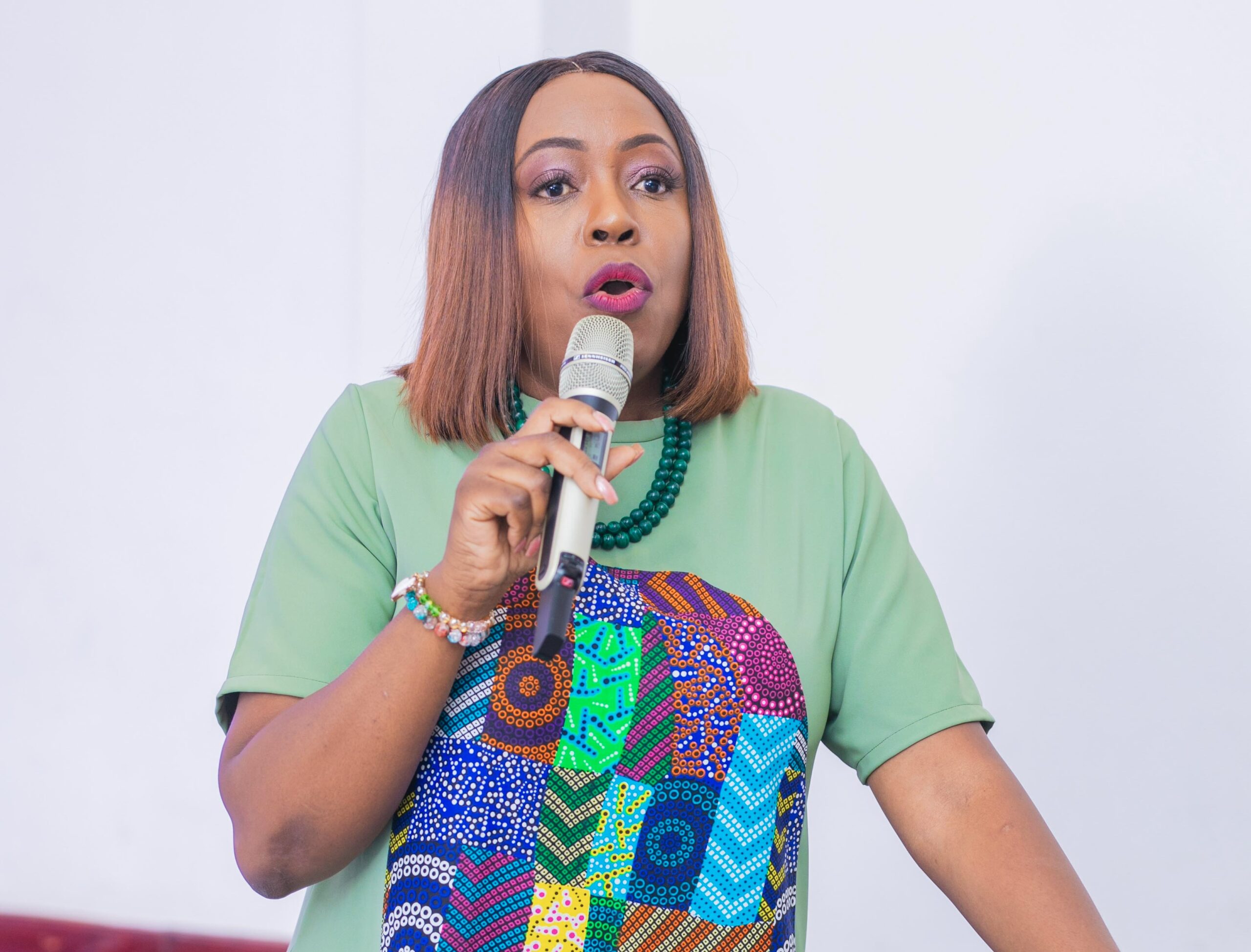
African Development Bank (AfDB) Group Director for Gender, Women and Civil Society, Dr. Jemimah Njuki, says women are not merely victims of climate change but are “architects of resilience and sustainable economic growth” across Africa.
Njuki said that despite producing half of the world’s food and leading climate adaptation efforts, women entrepreneurs in climate-sensitive sectors continue to face systemic financing barriers.
Read more: Zambia pushes for global action on climate change at COP-30 summit
She made the remarks at the launch of the Economic Resilience Pathways Webinar Series: Solutions and Opportunities by Women Leaders for Climate Action (WLCA), held under the theme: “Economic Pathways for Women in the Just Transition to a Climate Resilient Economy: Solutions, Opportunities and Challenges.”
“The Affirmative Finance Action for Women in Africa (AFAWA) is actively dismantling these hurdles. As of November 2025, AFAWA has approved US$2.95 billion in financing through 199 partner institutions across 46 countries. This massive intervention has supported nearly 26,000 women entrepreneurs and created an estimated 80,700 jobs in sectors like agriculture and renewable energy,” Njuki said in Lusaka on Friday.
She noted that AFAWA was dispelling the myth that lending to women was risky through its Guarantee for Growth (G4G) programme, where data shows non-performing loan claims stand at “a mere one percent.”
Njuki said this confirms that women are “highly bankable,” but stressed that the challenge is making financial institutions more “women-able” by removing collateral constraints.
r> She added that resilience also required inclusive leadership, noting evidence that countries with higher female parliamentary representation adopted stronger environmental policies, and gender-diverse companies invested more in renewable energy. “Gender-inclusive climate action is smart economics, not charity. When policymakers and financiers de-risk investment and embed gender equality in their strategies, they do not just empower women, they secure Africa’s future,” she said. Earlier, WLCA founder and B2P Country Director, Nachilala Nkombo, said that with the right knowledge, skills, technologies and infrastructure, Africa could build an economy that was both resilient and inclusive. “Despite women carrying a disproportionate burden of the climate crisis, they are responding to the realities of climate change with courage, innovation, and action,” Nkombo said. She explained that the objective of the five-part webinar series was to amplify the visibility of women driving economic resilience, inspire more women to build green enterprises, and promote participation of women-led small and medium enterprises in high-value segments of the climate economy. Another objective is to generate evidence to inform policies and programmes that strengthen women’s leadership and enterprise in the climate transition. Women Leaders for Climate Action (WLCA) Director of Sustainability and Membership Lead, Sarah Banda Ortiz, called for stronger investment in women, saying their purchasing power and economic value were central to national growth but remain overlooked. “Women’s purchasing power and economic value rarely make headlines, but they shape the decisions that keep businesses alive. Most major household choices, from food to education to banking, are driven or heavily influenced by women. Yet the systems around overlook this reality at the expense of our broader community,” Ortiz said.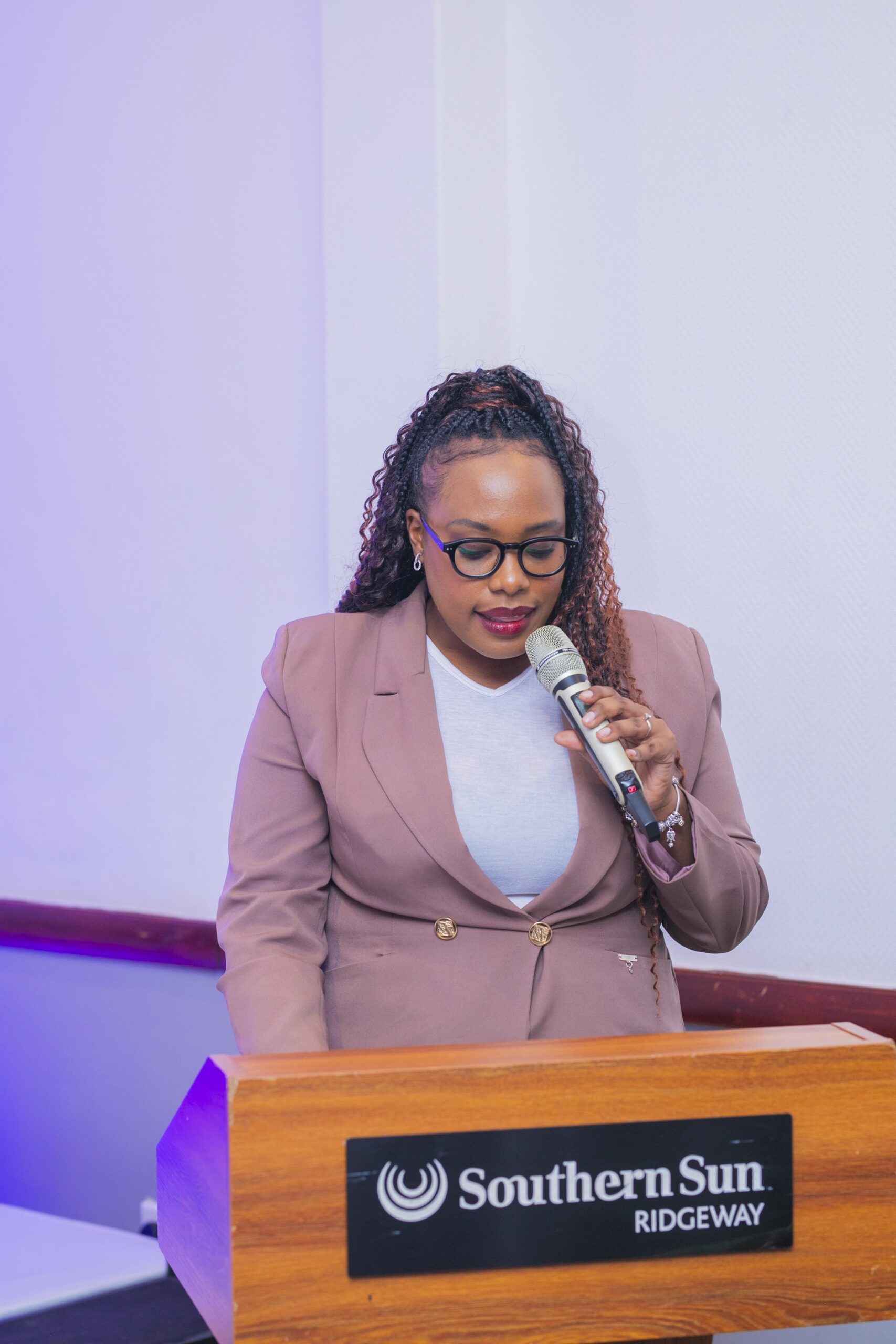
Read Full Article on Zambia Monitor
