Long before the first raindrops fell, Allan Chiotcha was already awake. As dark clouds gathered over Chimpeni Primary School in Dowa District, the headteacher lay listening—not for thunder, but for the wind. Rain is often considered a blessing as it signals a good harvest, but in his mud house, the storm signalled a strong warning.
“For us, rain wasn’t something to welcome,” says Chiotcha. “It meant fear.” Built through communal efforts, the house was never designed to withstand extreme weather patterns now common in the district. About three years ago, a violent rainstorm tore through the area, ripping off the roof and leaving Chiotcha and his family homeless.
The damage forced him to seek shelter at the nearest school. However, that came at a cost. He explains: “I had to relocate for safety, but that created challenges in my work.
[paywall]
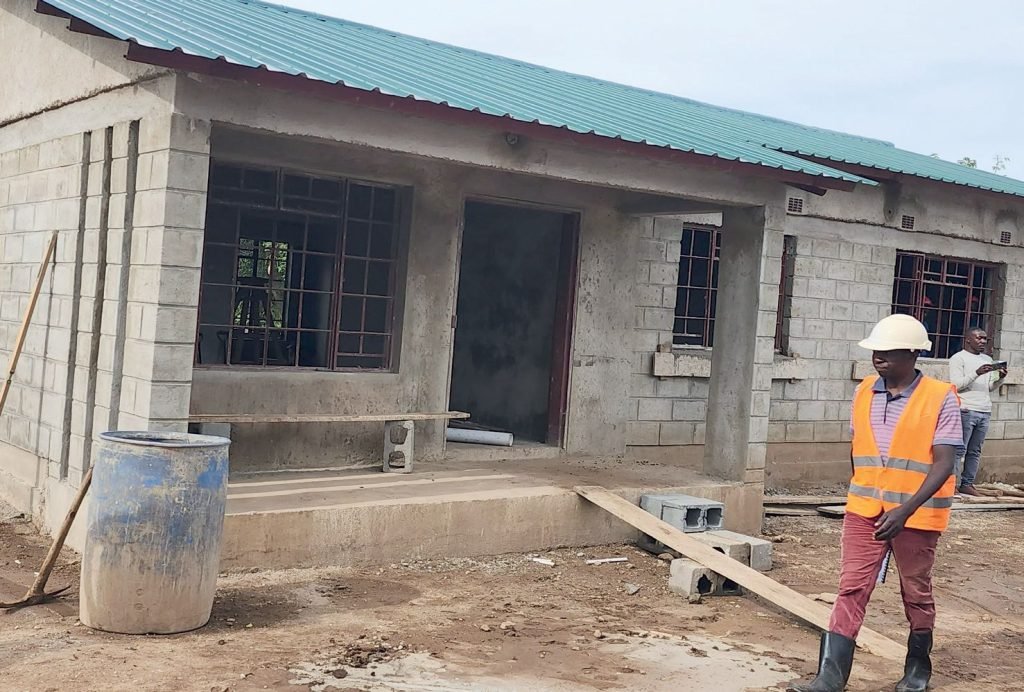
“A head teacher is expected to be available. When you live far, you miss opportunities to engage with pupils and staff beyond class hours.” Long daily walks; limited involvement in sports, clubs and remedial lessons; and the inability to respond quickly to school emergencies weighed heavily on an educator who believes leadership extends beyond the classroom. Rising on the same ground where the fragile house once stood at Chimpeni Primary School is a K178 million climate-resilient home, funded by the Regional Climate Resilience Project Two (RCRP-2), implemented by the National Local Government Finance Committee (NLGFC) with funding from the World Bank.
The project aims to help Malawi adapt to climate change by strengthening public infrastructure, restoring degraded environments and safeguarding essential services in climate-vulnerable districts. This includes ensuring that teachers have safe, durable housing within school compounds so that learning can continue uninterrupted even as climate shocks intensify. For Chiotcha, the house taking shape represents more than bricks and mortar; it brings peace of mind.
[/paywall]
