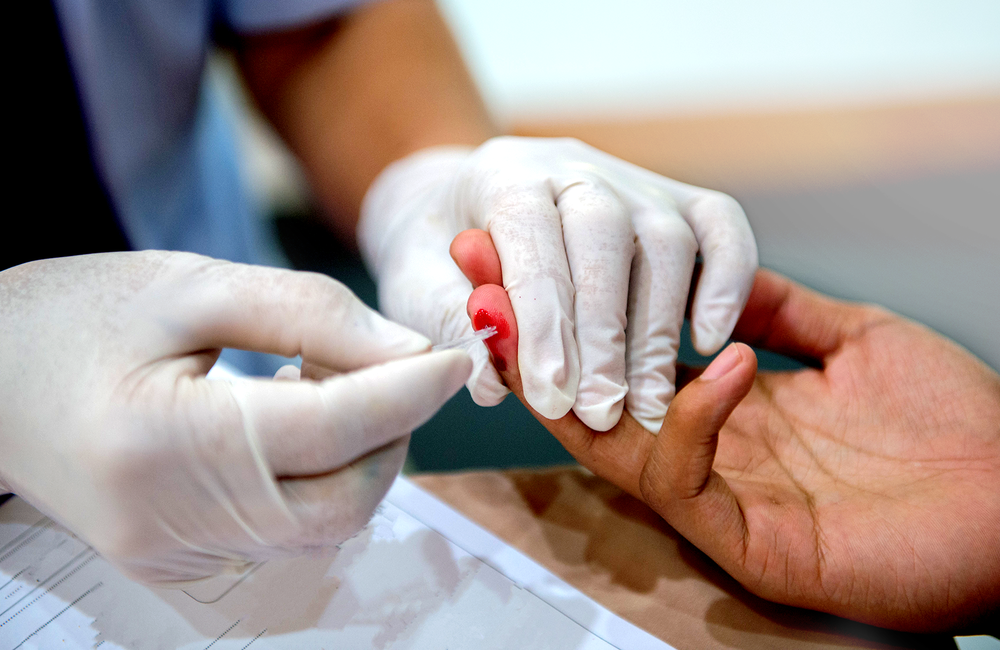
July 28 is World Hepatitis Day in recognition of the global fight against the inflammation of the liver, commonly caused by viral infection that is transmitted through contact with infected blood. Our News Analyst WYCLIFFE NJIRAGOMA reports how Hepatitis B and C, which can remain silent for years before causing liver failure or cancer, terrifies skilled frontline health workers at war with its devastating impacts: Every day, healthcare workers take split-second risks for patients’ good. From dressing wounds to inserting intravenous lines and treating jaundice, these tasks expose caregivers to possible infections, including hepatitis B.
To them, the question is not only how to save patients’ lives, but also not to risk their own. The occupational health hazard is particularly high for clinicians who handle blood, needles and wounds, but many work with limited protective equipment. Hepatitis B is a vaccine-preventable and standard precautions reduce transmission.
However, shortages of protective props and inconsistent vaccine access leave many frontline caregivers feeling exposed. Mwanza District Hospital hepatitis programme coordinator Tasungana Chiwala says clinicians sometimes hesitate treating patients with the blood-borne diseaase. “The hesitancy grows, particularly where there is a high risk of exposure to blood or body fluids during procedures.
[paywall]
The delay leaves some patients feeling stigmatised,” she says. Chiwala partly attributes the fear to PPE shortage and gaps in hepatitis B vaccination. “When PPEs, especially gloves and masks, have been in short supply, we prioritised high-risk procedures.
Meanwhile, not all healthcare workers are fully vaccinated due to shortage of doses,” she says. A study published on Springer Nature Link found that 25 out of 854 healthcare workers in Salima tested positive for hepatitis B, representing about three percent. The findings linked all infections to caregiving roles, underscoring the need for routine screening and early treatment for frontline health workers.
The risk persists after exposure. Caregivers are supposed to get tested within 24 hours of high-risk exposure, but hepatitis haemoglobin is rarely available in districts and difficult to access in central hospitals.
[/paywall]
All Zim News – Bringing you the latest news and updates.
