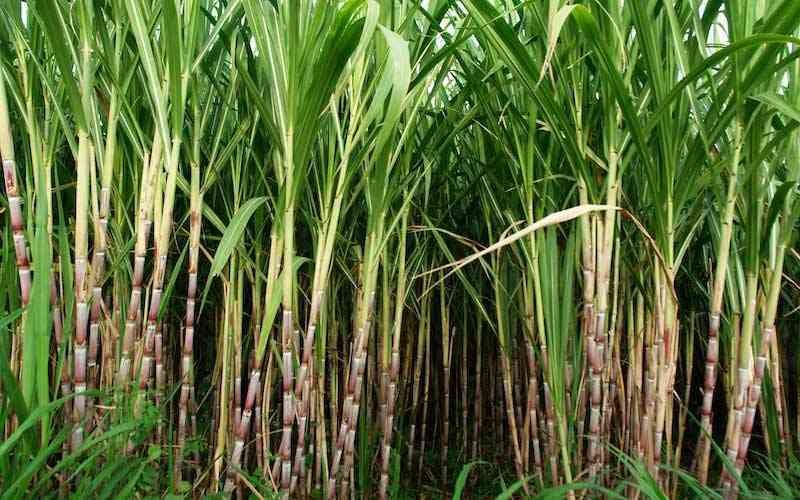
AMH is an independent media house free from political ties or outside influence We have four newspapers: The Zimbabwe Independent, a business weekly published every Friday, The Standard, a weekly published every Sunday, and Southern and NewsDay, our daily newspapers Each has an online edition There is a misconception that you can only grow sugarcane in Zimbabwe’s the lowveld The reason why sugarcane thrives in the lowveld is that temperatures are high, reaching up to 42 degrees Celsius The region is also well supported by huge water bodies for irrigation but farmers in hot regions like Kariba and Mvurwi could try this crop Sugarcane remains a high value crop that can be sold on the open market However, it seems there are very few farmers away from the lowveld who are keen to venture into this crop About 80% of Zimbabwe’s sugar cane is produced by two large estates — Triangle Sugar Estate and Hippo Valley Estates, which are owned by South African-based Tongaat Hulett Private farmers produce the remaining 20%.These are largely domiciled in Chiredzi In the lowveld, the crop is grown under canal irrigation It is also exported to the United States, East Africa Botswana and South Africa While the biggest headache would be where to get a mill for farmers away from the lowveld, other selling options must be interrogated Sugar cane is easy to grow and manage For most of its life cycle, the optimum growing temperature should be around 32°C After the plant matures, slightly lower temperatures help to increase sugar levels Frost is dangerous for the crop, regardless of plant growth stages Keeping an optimal soil moisture level is important, along with the light and warmth to grow healthy crops and obtain a high yield During growth phases, water requirements are around 1 500 to 2 500 mm of rainfall This is an average of 25 to 50 mm per week The preferred relative humidity is at least 50% Sugar cane requires good drainage It grows well in one-meter-deep moist It does not do well in waterlogged soils The ground must be well aerated This means after heavy rains, its pores must be 10% air filled The optimum soil acidity for growing the crop is 6-6.5 pH You can still grow sugar cane in more acidic soils, but output may be less Sugarcane is extremely sensitive to salt Soil salinity causes water stress symptoms, such as wilting, leaf burn, slowed growth, which can lead to plant death Source: The Independent All Zim News is a central hub for all things Zimbabwean, curating news from across the country so no story is missed Alongside aggregation, our team of nationwide reporters provides real-time, on-the-ground coverage Stay informed and connected — reach us at admin@allzimnews.com. Source: Theindependent
