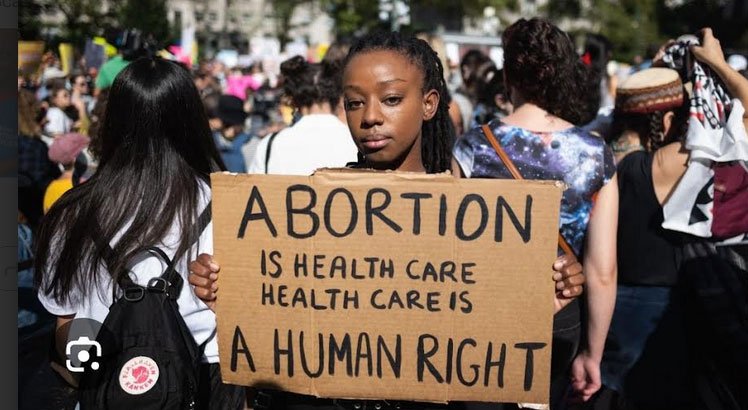
Malawi attained independence from British colonial rule on July 6 1964, clocking 62 years of that self-rule that year. Independence meant liberation, signaling a new era for a nation once known as Nyasaland. But sadly, the country still maintains archaic abortion-related laws crafted by the British.
Sexual and reproductive health and rights (SRHR) advocates are now calling for a comprehensive review of the law to respect bodily autonomy. Maintaining these archaic laws, the advocates argue, signal lack of progress for the country. Nyale Institute executive director Godfrey Kangaude says as per the current scenario, it would be difficult to say whether Malawi has done enough to secure bodily autonomy in practice.
But he singles out the constitution and the Gender Equality Act as central to recognising fundamental rights and freedoms, including sexual and reproductive rights. “Many people, especially women, girls, persons with disabilities and other marginalised groups, still lack meaningful power to make decisions about their bodies. This has serious consequences for their physical and mental health,” says Kangaude.
[paywall]
“Bodily autonomy is not only a human rights issue; it is also a development issue. One of the central insights of the 1994 International Conference on Population and Development, reaffirmed at the 2019 Nairobi Summit, was that sustainable development depends on people having the freedom, information and services necessary to make informed decisions about their sexual and reproductive lives.” Kangaude says when a girl lacks the information to make informed decisions about sexual relationships, or cannot remain in school because of an unintended pregnancy, the consequences extend beyond the individual. He says the same is true when a woman cannot obtain necessary reproductive healthcare, or when discrimination and violence prevent people from protecting themselves against unintended pregnancy and sexually transmitted infections.
According to Kangaude, these failures affect educational attainment, health outcomes, household welfare, economic participation and public expenditure. He points out that a country cannot realise its full development potential while a significant part of its population lacks control over their bodies and futures. Kangaude says: “Some of our laws continue to fail us by retaining colonial-era restrictions inconsistent with human rights and impede the exercise of sexual and reproductive rights. “Malawi may have been politically independent for 62 years, but aspects of our bodily autonomy remain governed by colonial laws developed without the rights, experiences or aspirations of Malawians at their centre.”
[/paywall]
All Zim News – Bringing you the latest news and updates.
