
It is July 6 2026. A strangely sunny Monday in southern Malawi. The 62nd anniversary of Malawi’s breakaway from Britain marked a bittersweet Independence Day for Blessings Steckshon, a father of three and a breadwinner for one of the homesteads denied electricity in Mangani Village, Senior Chief Chimombo in Nsanje District at the country’s southern tip.
“The nation has been independent for over six decades, but we are still living in the dark,” he says. “I own an electric sewing machine, but my family is stuck in poverty because we cannot put it to good use due to lack of electricity.”
Steckshon’s lamentation echoes widespread frustration in rural communities, home to 84 percent of the country’s population estimated at 22.5 million.
Electricity Supply Corporation of Malawi (Escom) has connected four percent of the rural majority since 1980 when it rolled out the Malawi Rural Electrification Programme (Marep), now under the Ministry of Energy’s grip.
“What is independence when most Malawians cannot do business or enjoy quality life due to lack of basics such as electricity which can help us lift ourselves from poverty?” he asks.
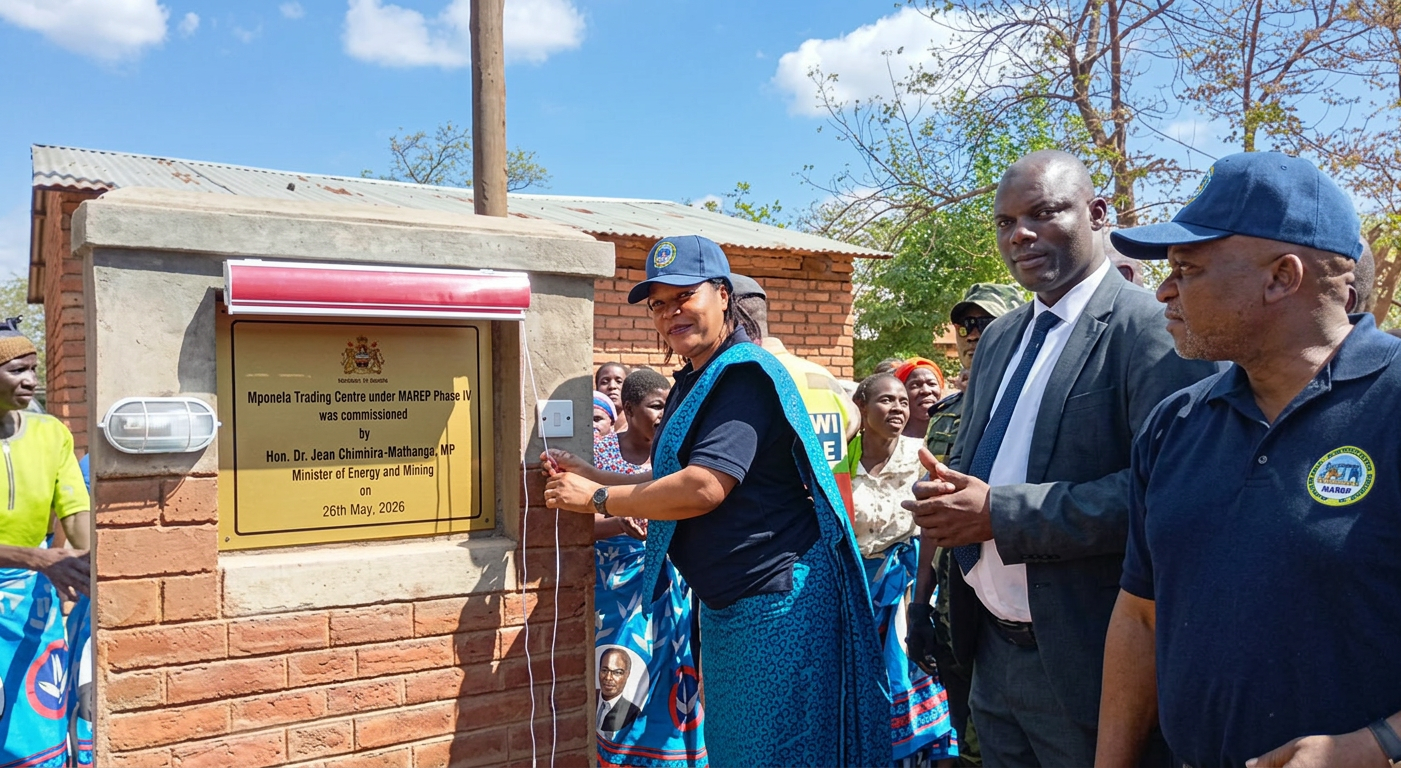
The sluggish grid expansion spikes at a promising pace close to high-stakes elections when journalists photograph smiling Presidents and ministers switching on power in rural trading centres and chiefs’ residences.
“Electricity is a need, not a luxury for an urban few. So, those in power should
not use suspenseful Marep as a campaign tool,” the tailor-turned-bricklayer implores.
The tolerated use of State resources for campaign financing postpones the national initiative to an event that flickers every five years.
The electricity-for-votes campaign spread to southern tip in April 2025, five month before the September 16 General Election won by President Peter Mutharika.
Locals recall seeing Marep agents going village to village, rallying interested residents to pay connection fees because Escom was coming to power their homes and businesses.
A State-sponsored contractor hurriedly connected few houses in Chimombo area, leaving behind dozens of families that spent her meagre income on home wiring and connection fees.
“Escom staff and the contractor silently disappeared after connecting a lucky 14 on December 6, some 13 on the following day and 12 on December 9. They returned this year to replace 15 faulty meters that left connected homesteads and businesses without power for nearly five months.”
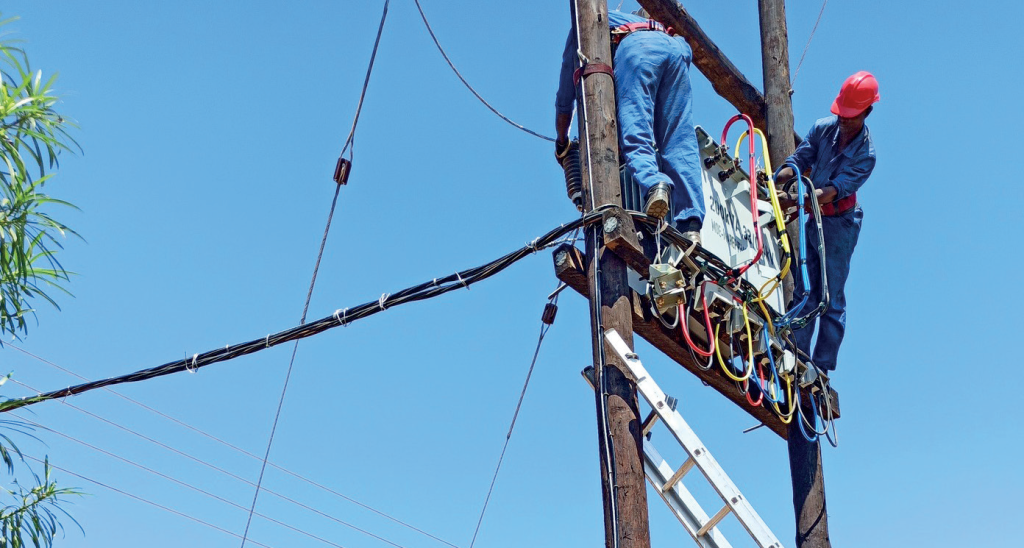
The stuttering rural electrification left several electricity poles without wires and several households unconnected.
“The tale of exclusion and suspense makes us feel like second-class citizens,” laments Billy Mafunga. “We wasted our meagre income wiring our homes instead of buying food for our families, but the wait for electricity continues.”
Section 20 of the Constitution prescribes equal treatment for all regardless of where one lives. However, Section 13 exalts the quality of rural life as the only yardstick of government policies
All Zim News – Bringing you the latest news and updates.
