Theartificial intelligence(AI) boom is often discussed in terms of innovation, productivity and economic growth. A new United Nations report suggests it should also be discussed in terms of water. According to thereport, produced by theUnited Nations University Institute for Water, Environment and Health(UNU-INWEH), the water footprint associated with the world’s growing network of AI-driven data centres could meet the annual domestic needs of all 1.3 billion people living in sub-Saharan Africa.
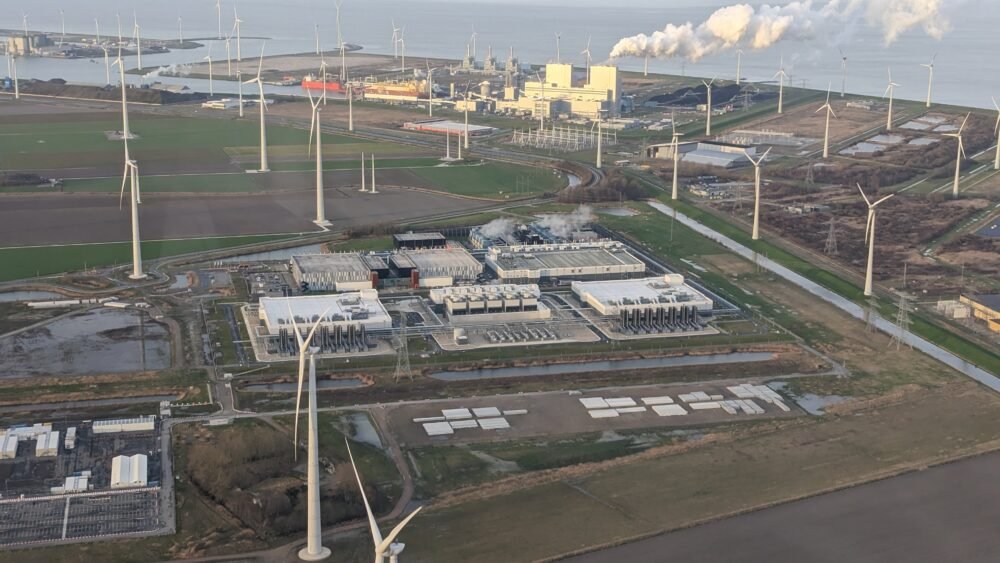
The report finds that every prompt, image and video is backed by vast networks of data centres, cooling systems, electricity grids, water withdrawals, land use and mineral extraction. This material footprint is growing at extraordinary speed. “One of the most consequential dimensions of AI that remains comparatively under-examined is its environmental footprint and the justice implications that follow,” the report said, arguing that AI is not merely software, but a physical system embedded in energy, water and land use.
That footprint is expanding alongside one of the fastest technological adoptions in history. Since ChatGPT’s launch in 2022, generative AI has moved from novelty to mainstream infrastructure, with hundreds of millions of users now relying on AI tools for everything from search and writing to coding and customer service. The report is described by its authors as a step toward closing a major gap inAI governanceby moving beyond a carbon-only lens.
Read Full Article on Mail & Guardian
[paywall]
It emphasises that “low-carbon is not automatically low-water or low-land,” warning that single-metric assessments can obscure trade-offs and shift environmental burdens onto already water-stressed or land-stressed regions. It points to Brazil as an illustration of the trade-offs involved. While hydropower dominates the country’s grid, with a carbon footprint 77% below the global average, its water and land footprints are nearly triple the global mean.
Those trade-offs are already significant. In 2025, data centres, the physical backbone of AI, consumed an estimated 448 terawatt-hours (TWh) of electricity, ranking them 11th globally if treated as a country. On current trends, that demand could rise to 945 TWh by 2030, nearly triple the combined electricity use of Pakistan, Bangladesh and Nigeria, which together are home to more than 650 million people.
The associated impacts are equally striking: up to 399 million tonnes of CO₂e (carbon dioxide equivalent), a water footprint of 9.3 trillion litres and land use exceeding 14 000 km². Last year, AI accounted for roughly 20% of data centre electricity use, a share projected to double to 40% by 2030. At that level, AI alone could consume about 378 TWh annually, enough to power the residential needs of sub-Saharan Africa for more than two years.
[/paywall]
All Zim News – Bringing you the latest news and updates.
