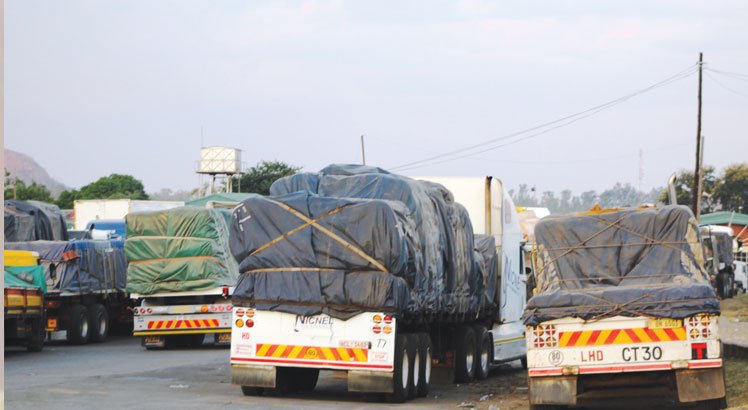
Transporters in the country say rising operating costs and poor transport infrastructure continue to push up the cost of doing business, with the burden ultimately being passed on to consumers through higher prices of goods. The concern comes in the wake of a Japanese International Cooperation Agency (Jica) Transport Sector Position Paper, which cites Roads Authority data showing that transport costs account for up to 55 percent of the price of goods in the country, compared to about 17 percent in many other developing countries. In a written response to a questionnaire on Wednesday, the Transporters Association of Malawi (TAM) said operators are facing unsustainable haulage rates and struggling to keep pace with rising expenses.
TAM director and spokesperson Frank Banda observed that transporters are grappling with increasing costs for fuel, vehicle maintenance, insurance, toll fees, regulatory compliance, wages and foreign exchange, while transport rates have largely remained unchanged for years. He said: “Transporters are operating under very difficult conditions. “Most of the costs have increased significantly, but haulage rates have not moved in the same direction.
This is putting many operators under financial pressure.” According to an analysis presented by the association, transporters on the Lilongwe-Beira route earn about K3.2 million per trip while operating costs exceed K5.8 million. On the Lilongwe-Johannesburg route, transporters receive about K5.6 million per trip against costs of more than K13.7 million. However, in 2008, transporters were receiving $2 000 for the Beira route when diesel averaged K400 per litre.
[paywall]
Today, despite diesel prices rising to K6 687 per litre, representing an increase of 1 572 percent, transport rates have declined to between $1 766 and $1 850 per trip. “Transporters are increasingly struggling to meet their financial obligations, including compliance with the recently announced minimum wage adjustments affecting truck drivers and other employees within the sector. “Drivers have increasingly expressed frustration and have threatened nationwide industrial action should the situation remain unresolved,” he said.
Meanwhile, TAM has written Minister of Transport Jappie Mhango seeking his intervention over what it describes as “unsustainable haulage rates and the deteriorating financial position of Malawian transporters”. A letter seen by Business News, dated June 1 2026 and signed by Banda and TAM secretary-general Sympathy Chisale, indicates that the move follows failed attempts to engage industry stakeholders, including tobacco companies and cargo owners, on freight charges. The association said freight forwarders had maintained that they were not the ultimate decision-makers on haulage rates. However, according to the Ministry of Transport’s Strategic Plan, road transport handles about 99 percent of all passenger traffic, around 70 percent of domestic freight and 90 percent of international freight.
[/paywall]
All Zim News – Bringing you the latest news and updates.
