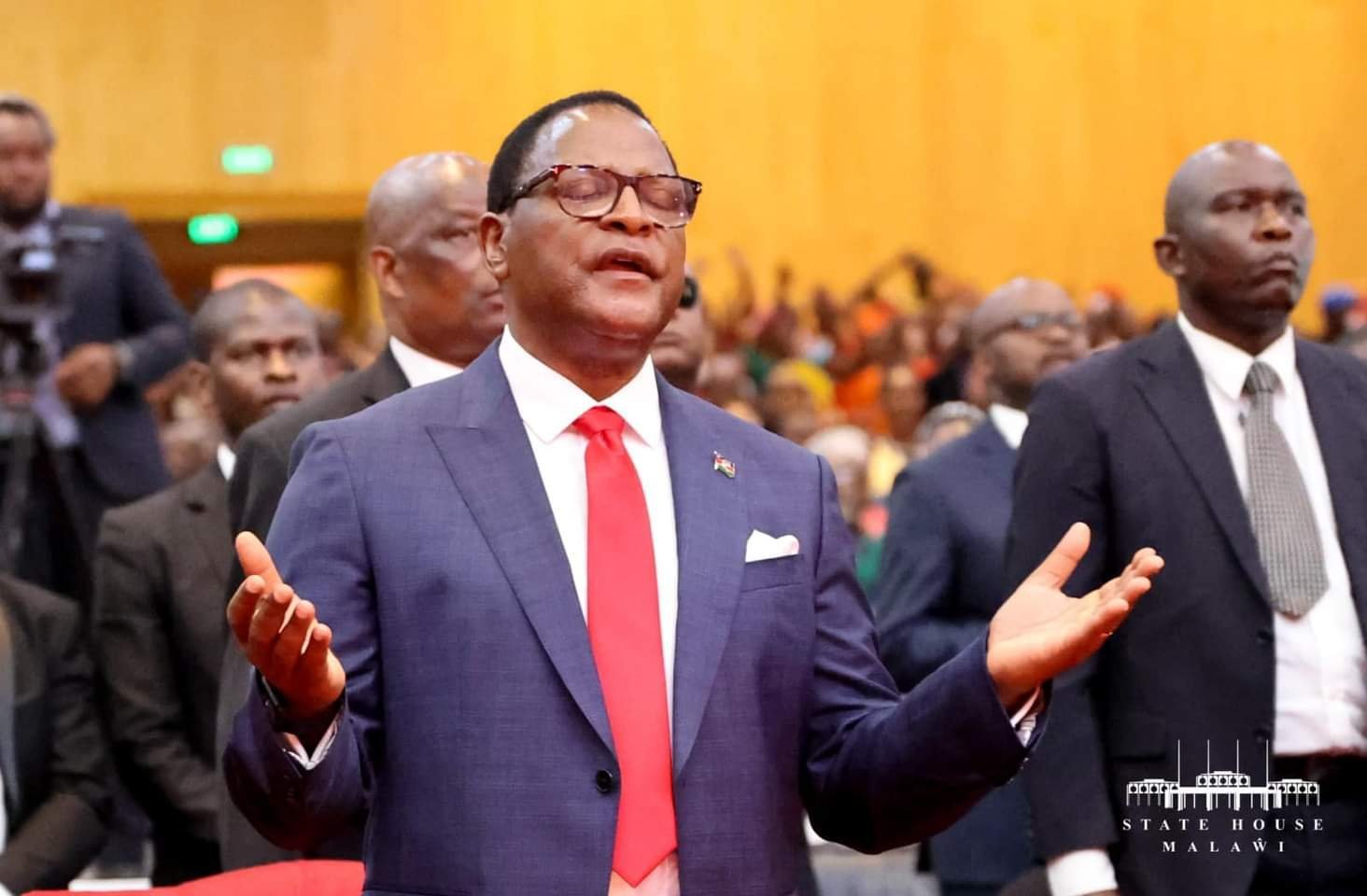
Malawi Congress Party (MCP) is entering a dangerous political phase—not because of external opposition pressure, but because of an increasingly uncomfortable internal question it refuses to answer honestly: can the party move forward while still orbiting around Lazarus Chakwera? Reports that the former president and MCP leader is positioning himself to remain influential toward 2030 have triggered quiet but growing unease inside the party. According to internal critics, this is not about leadership continuity—it is about political survival tactics disguised as loyalty.
Those who question the direction are allegedly being sidelined, excluded, or politically isolated. And now, the conversation is no longer whisper-level. It is public, raw, and increasingly unforgiving.
A presidency that defined crisis more than progress Between 2020 and 2025, Malawi experienced what many analysts now describe as a prolonged governance and economic stress cycle. The kwacha collapsed from roughly K740–K800 per US dollar in 2020 to parallel market levels reaching K2,500–K3,000 by 2024–2025. Inflation surged past 30%, with food inflation even higher, pushing ordinary Malawians into survival mode rather than economic mobility.
Read Full Article on Nyasa Times
[paywall]
Fuel shortages became a national ritual—queues lasting hours or even days in major cities like Lilongwe and Blantyre. Foreign exchange shortages widened, with import gaps estimated in the hundreds of millions of dollars monthly during peak pressure periods. Public debt rose sharply toward 70–80% of GDP, driven by heavy domestic borrowing that strangled private sector lending and pushed interest rates to unsustainable levels.
This is not just a policy record. It is a lived political memory. Governance failures, scandals, and a broken trust contract Beyond the economy, governance credibility weakened under repeated allegations of mismanagement and weak accountability systems.
Audit reports flagged massive irregular expenditures over successive years, weak financial controls across ministries, and procurement breaches that ran into trillions of kwacha cumulatively depending on classification methods. High-profile corruption allegations—especially around procurement networks and COVID-19 emergency spending—further damaged public trust. Whether fully proven in court or not, politically the damage was already done: the perception of weak enforcement became stronger than the promise of reform. For many citizens, the story of the era was simple: promises of change, followed by institutional fatigue.
[/paywall]
All Zim News – Bringing you the latest news and updates.
