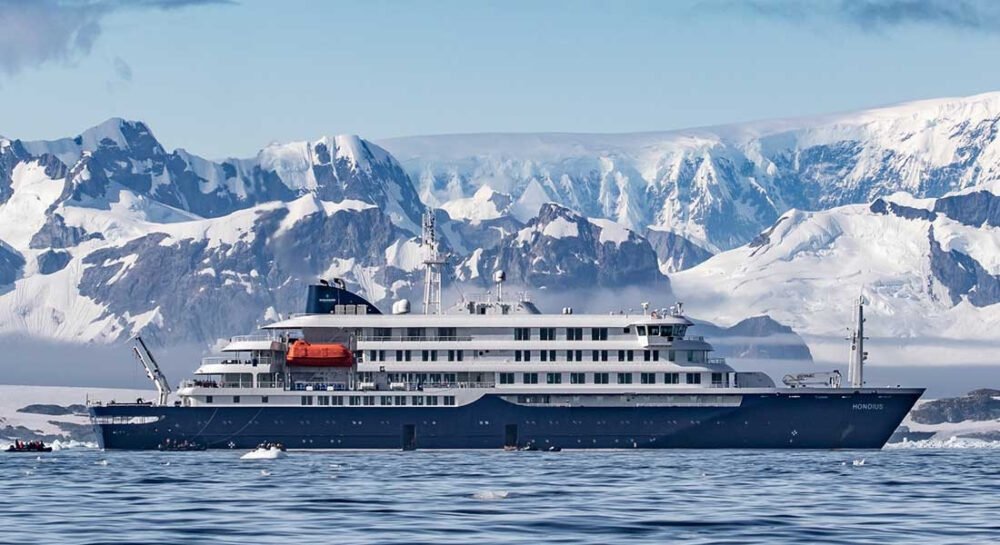
Thehantavirus-linked outbreakaboard the MV Hondius has entered a more serious phase after authorities confirmed that two local cases involve the Andes strain, the only known hantavirus variant capable of limited human-to-human transmission under conditions of close contact. The development coincided with mounting political and public health tension in Spain, where the leader of the Canary Islands rejected plans for the virus-hit vessel to dock in Tenerife despite Spain’s central government granting permission for the ship to enter port. Fernando Clavijo, the president of the Canary Islands regional government, said there was insufficient information to reassure the public or guarantee safety and requested an urgent meeting with Spanish Prime Minister Pedro Sánchez over the decision.
The Dutch-flagged expedition vessel remains off the coast of Cape Verde after a voyage that began in southern Argentina and travelled through remote South Atlantic territories before heading towards Europe. At least eight suspected cases linked to the outbreak have been identified, including three deaths and three laboratory-confirmed Andes strain infections. A British national is in ICU in Johannesburg, while three people associated with the outbreak are being medically evacuated to the Netherlands.
The department of health confirmed that laboratory testing conducted by theNational Institute for Communicable Diseases(NICD) identified the Andes strain in two passengers linked to the vessel: a Dutch woman who died after collapsing at OR Tambo International Airport and a British man currently receiving treatment in Johannesburg. The two Dutch passengers were married and had reportedly travelled in South America before boarding the vessel. According to the NICD, hantavirus pulmonary syndrome is a rare but severe respiratory disease transmitted primarily through inhalation of particles contaminated with rodent urine, droppings or saliva.
Read Full Article on Mail & Guardian
[paywall]
Initial symptoms can include fever, headaches, muscle pain and gastrointestinal illness before progressing rapidly to respiratory distress. The confirmation of the Andes strain changes the investigation because it is the only known hantavirus variant associated with limited human-to-human transmission, although health authorities stress that such spread is rare and generally limited to prolonged, close contact. “This is the only strain that is known to cause human-to-human transmission but such transmission is very rare and only happens due to very close contact,” the health ministry confirmed in a parliamentary presentation.
TheWorld Health Organisationhas indicated that investigators suspect limited transmission might have occurred among close contacts onboard the vessel, including cabin-sharing passengers and caregivers. Dr Maria Van Kerkhove of the WHO said investigators believed the original infections occurred before passengers boarded the vessel in Argentina, potentially during wildlife-related activities associated with the expedition voyage near Ushuaia. “With the timing of the incubation period of hantavirus, which can be anywhere from one to six weeks, our assumption is that they were infected off the ship,” she said.
[/paywall]
All Zim News – Bringing you the latest news and updates.
