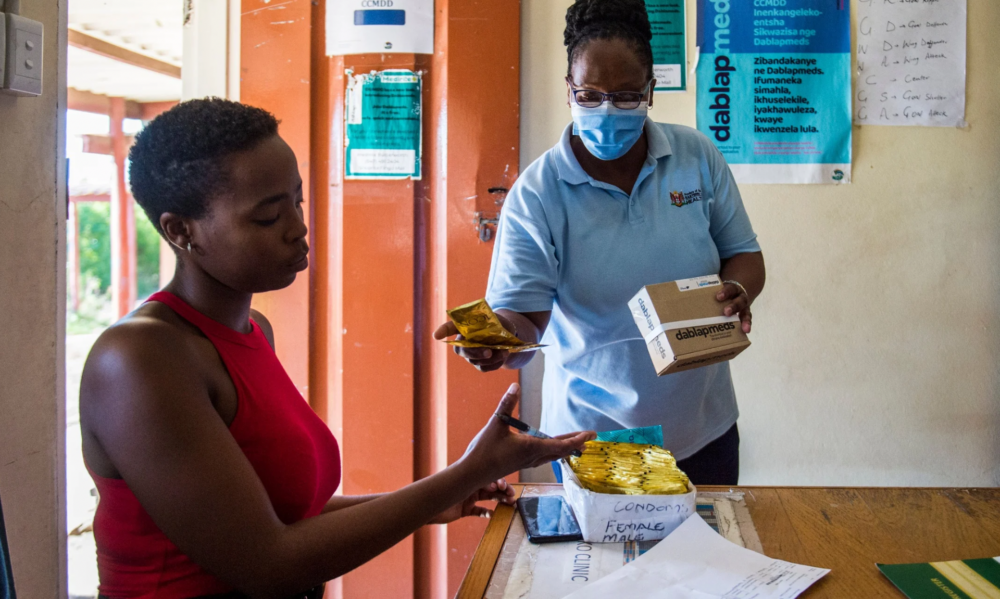
A burning sensation. An itch that won’t go away. Yellow, brown or white discharge.
For many teenage girls and young women in South Africa, these are things you don’t talk about. They’re symptoms to hide — from friends, partners, parents and even healthcare providers. That’s what research my colleagues and I at theSouth African Medical Research Councilfound when we talked to nearly 5 000 girls and young women aged 15 to 24 across the country aboutsexually transmitted infections (STIs)andvaginal infections.
South Africa has one of the highest rates ofSTIs in the world, with adolescent girls and young womenmore likely to have STIs than older women and boys and men of the same age. Yet fewer than one in five of the girls we spoke to said they had ever been diagnosed with an STI such aschlamydia,gonorrhoeaorsyphilisby a health professional, even though many said they had at least one symptom of either an STI or vaginal infection, such asthrush (candidiasis)orbacterial vaginosis (BV)in the previous year. BV happens when the normal balance of bacteria in the vagina gets disrupted.
Read Full Article on Mail & Guardian
[paywall]
Normally, the vagina contains mostly “good” bacteria that keep the environment slightly acidic and protect against infection. With BV, other types of bacteria grow too much, upsetting the balance.Common signs includea thin, grey or white vaginal discharge, a strong fishy smell, especially after sex, or mild itching or burning. Our study, which was published in theInternational Journal of Sexual Healthearlier this year, found that shame, embarrassment and misunderstanding affect how young women understand and deal with STIs and other infections.
Although one 2022 study estimated thatone in four women in South Africa have a curable, bacterial STI(which, unlike viral STIs such asHIV or human papillomavirus [HPV)can be treated), a quarter of the girls and young women we spoke to chose not to answer the question about STI symptoms. That silence is as deafening as it is dangerous. The inability to talk about the infections can delay care, with missed opportunities to prevent bigger health problems later.
Leaving STIs untreated can haveserious long-term effectssuch as infertility, cancers, pregnancy complications and a higher chance of HIV infection. In the survey, we asked participants about the following symptoms: itching, lumps, warts, rash, redness, unusual smell from yellow or brown or white discharge and pain or a burning feeling when urinating or having sex. Genital itching — which can be a sign ofBV,HPVorchlamydia— was the most commonly reported, with about two out of 10 saying they had experienced that in the past year. Other commonly reported symptoms included unusual smell from yellow or brown or white discharge, which can be experienced when you have chlamydia,gonorrhoeaor BV; pain or burning feeling when urinating or having sex, which happens when you have chlamydia, gonorrhoea orthrush; warts, rashes, bumps or lumps due to HPV or redness from thrush.
[/paywall]
All Zim News – Bringing you the latest news and updates.
