The Football Association of Malawi (FAM) has stepped up efforts to lure investors into football, positioning the sport not just as a passion, but as a viable and potentially lucrative business opportunity. For years, Malawi’s corporate sector has kept its distance from football sponsorship—a sharp contrast to the 1980s and early 1990s when companies were deeply embedded in the game. During that era, major firms proudly owned and funded teams.
In Blantyre alone, giants like Admarc backed Admarc Tigers, Bata Shoe Company supported Bata Bullets, while Limbe Leaf Tobacco stood behind Limbe Leaf Wanderers. Others such as Hardware and Berec Batteries also invested in teams, helping to build a vibrant and competitive football culture. The Central Region had its own corporate-backed sides, including MITCO and OT Spurs, while Agricultural Development Divisions (ADDs) ran teams like KRADD in Karonga and MZADD in Mzuzu.
Football was not just a sport—it was a serious corporate venture. But the transition to democracy marked the beginning of a steady decline in sponsorship. Once-prominent teams like Bullets and Wanderers went through long periods without financial backing.
Read Full Article on Nyasa Times
[paywall]
Mighty Tigers, another historic side, have since fallen from the elite league. Today, corporate ownership of teams has virtually disappeared, leaving many clubs struggling to survive. It is against this backdrop that FAM is actively courting investors to return to the game.
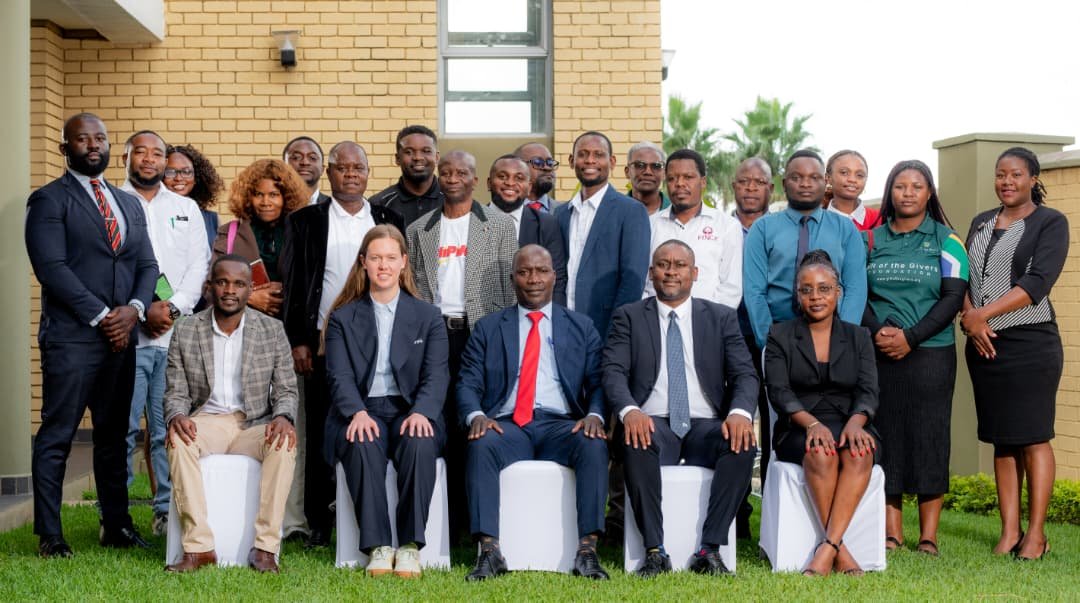
A recent Sponsors and Partnership Workshop held at Sunbird Mount Soche Hotel signaled a renewed push to rebuild ties between football and the business community. The workshop aimed to demonstrate how structured partnerships can deliver real returns for sponsors while strengthening the sport’s foundation. FAM Executive Member Daud Mtanthiko made a strong case for football as a commercial asset.
“Football is a large and lucrative business, and we are inviting more investors to come on board and help grow the game. Our goal is to ensure that football delivers value to sponsors and makes their investments worthwhile,” he said, noting that the initiative aligns with FIFA’s broader development agenda. FIFA’s Senior Marketing and Strategic Planning Manager, Heather Okkeper, praised the move, saying it opens new doors for companies to engage with football in more innovative ways.
From the corporate side, NBS Bank Marketing Manager James Chikaonda described the initiative as both timely and impactful. “As NBS Bank, we sponsor the Charity Shield and the National First Division League. From a marketing perspective, we have seen massive visibility since we ventured into these sponsorships,” he said.
However, analysts argue that the real test lies in whether companies will respond. Sports analyst Pickford Kamanga believes the opportunity is clear—and urgent. “Malawi has a lot of football talent, but many teams are struggling due to lack of sponsorship.
Clubs like Karonga United, Chitipa United and Tigers need support. For our football to grow, we need competitive leagues, and that requires strong corporate backing,” he said. As of April 2026, Malawi’s national team, the Flames, is ranked 127th globally by FIFA—a position that reflects both the country’s potential and the consequences of years of underinvestment.
[/paywall]
All Zim News – Bringing you the latest news and updates.
