Training a guide dog is a long-term investment. From selective breeding programmes to puppy raising, formal training, and handler preparation, the process can take up to two years. It requires specialist trainers, veterinary care, structured environments, and ongoing support.
The costs are significant, placing sustained pressure on organisations tasked with delivering these services. TheSouth African Guide-Dogs Association, like many non-profits in the sector, relies heavily on donations, sponsorships, and public support to continue its work. Without consistent funding, the number of trained guide dogs available each year remains limited, despite ongoing demand.
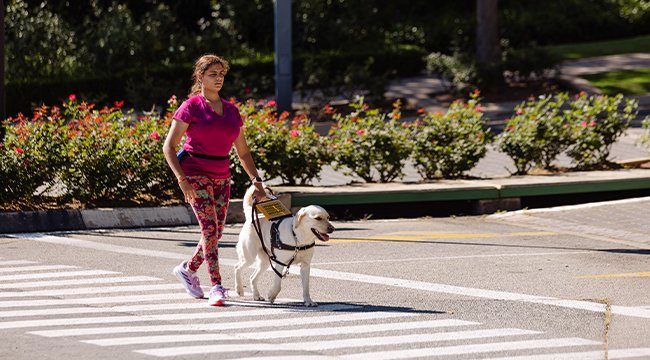
Grace, a recently qualified guide dog, offers a lens into how this system functions in practice. Her journey began in a volunteer puppy raising home, where she developed the foundational behaviours needed for her future role. For the family who raised her, the handover was always going to be emotional.
Read Full Article on Mail & Guardian
[paywall]
“We’re going to miss her terribly,” they shared. “But she has a much bigger path to walk.” Described as energetic, intelligent, and occasionally mischievous, she progressed through the programme into formal training, an intensive phase focused on safety, discipline, and environmental awareness. Not all dogs complete the process.
Strict health and temperament criteria mean only a select few are suited to the demands of guiding a visually impaired handler. Equally, the process extends beyond the dog. Handlers undergo weeks of training before being paired, learning how to work with the dog and navigate their daily routes.
The final stage of matching a dog with their handler, marks the transition from training to real-world impact. Grace was ultimately paired with Maya Patel, a first-time guide dog owner. The partnership represents independence and mobility.
For the programme behind it, it represents the successful outcome of years of coordinated effort and funding. Increasingly, part of that funding is being sourced through alternative models. One example isdotsure.co.za, whose guide dog sponsorship initiative demonstrates how insurers can support charities in a more direct and visible way.
What remains clear is that guide dog programmes can’t operate without consistent financial backing. A guide dog like Grace represents years of preparation and the combined effort of many individuals, each playing a role in a journey that ultimately leads to priceless independence. Dotsure Limited (Registration number 2006/000723/06) is a licensed non-life insurer and authorised financial services provider (FSP39925). Voted South Africa’s Best Pet Insurance 2023-2025 by readers of The Star, Die Burger, Beeld, and City Press.
[/paywall]
All Zim News – Bringing you the latest news and updates.
