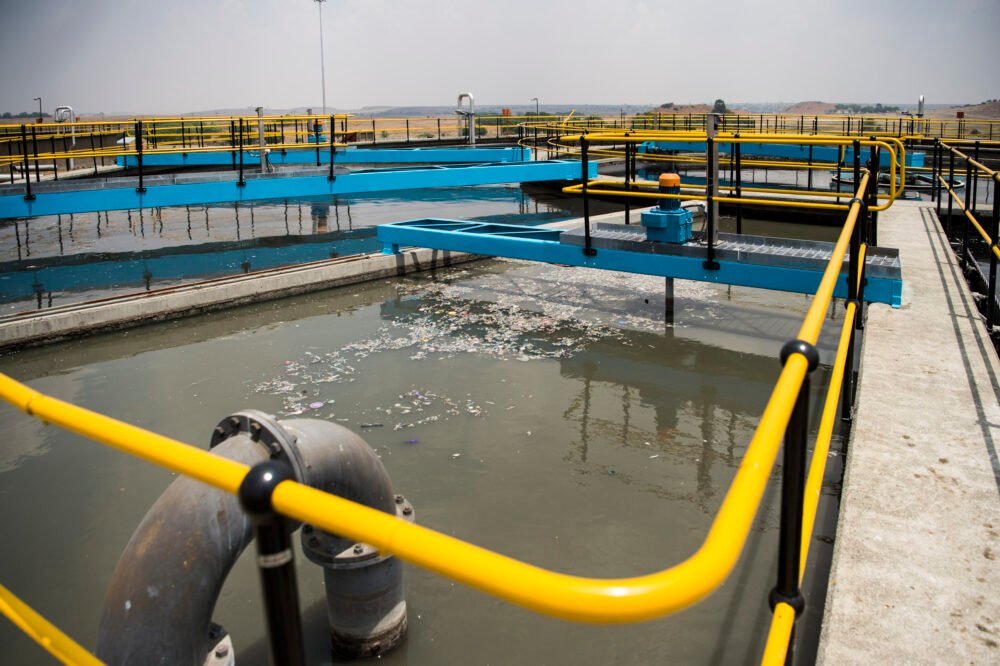
South Africa’s wastewater treatment system is in adeep crisis, with nearly half of all plants assessed classified as critically non-compliant — a failure that iscontaminating rivers, dams and drinking water sourcesacross the country. This is the stark warning from the latestGreen Drop findings, described by theWater Institute of Southern Africa(Wisa) as a “diagnostic of a national essential service in critical condition” rather than just a technical audit. Of the 848 wastewater treatment plants assessed nationwide, 396 are in a critical state, while only about a quarter are performing at a standard that meets regulatory requirements.
“That’s not a statistic to skim past,” saidLester Goldman, its chief executive. “It means that right now, across communities from Limpopo to the Western Cape, poorly treated or untreated sewage is finding its way into rivers, dams and the water sources that millions of people depend on for drinking, for farming, for survival.” For too long, Goldman said, wastewater treatment plants had been treated as invisible infrastructure, the “big toilets” of the country that attracted attention only when they overflowed. “When nearly half of our plants fail to meet basic standards, that invisibility becomes dangerous.” The crisis is often attributed to ageing infrastructure and constrained municipal budgets.
While both are real pressures, they are not the root cause. Goldman pointed to a deeper structural breakdown: a fragmented governance system shaped by procurement delays, under-costed tariffs and financial models that do not reflect the true cost of maintaining wastewater infrastructure. Municipalities, he said, were being squeezed from multiple directions but the underlying problem was also one of institutional focus and accountability.
Read Full Article on Mail & Guardian
[paywall]
Compounding the crisis was a widespread misunderstanding of regulatory requirements. Many municipalities, Goldman said, were operating as though outdated compliance frameworks were sufficient, when in fact, current regulations required measurable performance outcomes and functional service delivery. “The gap between where many municipalities think the bar is and where it actually sits is, in itself, a governance failure,” he said. “We cannot manage what we do not accurately measure and we cannot fix what we refuse to hold to modern standards.”
[/paywall]
All Zim News – Bringing you the latest news and updates.
