NewsPoliticsBy Editor Nigel Pfunde.Beitbridge -The Beitbridge Rural District Council (RDC) is revolutionising local development by aggressively courting independent development partners and fostering community-driven initiatives to rehabilitate infrastructure without waiting on central government funding.By embracing self-reliance, the council has successfully improved service delivery in rural areas, focusing on essential services such as public health, water and sanitation, and education.This shift marks a significant departure from reliance on central governmen funds, which are often delayed.The council’s chairman, Councilor Oscar Chiromo, told this publication that they had not received devolution funds since November 2023.But strangely, some districts have received their 2026 allocations.Chiromo said,“We continue to lobby through our parent ministry.”The amount due this year for the BRDC is ZiG 3.5 million.He added that this money was needed for projects such as servicing of stands and allocation at the Chamnanga Business Centre.There’s also a road maintenance project of “35 km on the Chamnanga road and about 24 km on the Tongwe road”, he said.He said for self-sustainability, they were working on buying a grader as “per our 2026 Road Fund Budget”.The Council has also taken steps to boost local governance and project monitoring.For example, they initiated a project to procure 20 motorbikes for local councillors to improve mobility and supervision of capital projects, funded through loans rather than reliance on government grants.The BRDC is also intensifying its water, sanitation, and hygiene (WASH) programmes to improve rural livelihoods, prioritising boreholes in schools and strengthening disaster resilience against seasonal flooding.Chiromo made mention of projects funded by the government of Zimbabwe and KOICA (Korea International Cooperation Agency).“The WASH project funded through KOICA and the government of Zimbabwe had just started and was being implemented in Wards 8, 9 and 10, and the main activities being WASHFIT (Shashe and Swereki clinics) are almost 90% complete; demand-led sanitation in Wards 9 and 10 is ongoing; 5 school latrines have been completed; and two piped water schemes at Novhe and Madali have been completed,” he added.With Independence Day celebrations due in a week, the council is celebrating through development.“We have presidential independence legacy projects underway.“Namely 9 secondary school science labs.Those are for Swereki, Malikuwa, Siyoka, Malala, Matshiloni, Malungudzi, Tshitulipasi, Chamnanga and Nuli Secondary – all had their foundation brickwork under construction save for Nuli Secondary and Siyoka, whose senior lab structures were yet to be approved, he said.But challenges are there partly because of low revenue collection.“The Council’s average monthly collection rate currently stands at 19.81%, primarily due to non-payment of rates by both residents and business operators. To address this challenge, Council continues to actively engage clients and encourage the establishment of structured payment plans,” he added.There are 60 rural district councils (RDCs) in Zimbabwe.These local authorities are responsible for the welfare and socio-economic development within the country’s eight non-metropolitan provinces.NB: This is the first of Express Mail Zim series of rural district councils developmental news stories we are publishing about coumcils doing good things out there.Contact the editor if you want your local council’s good deeds amplified.0773005916 Nigel Pfunde By Editor Nigel Pfunde.Beitbridge -The Beitbridge Rural District Council (RDC) is revolutionising local development by aggressively courting independent development partners and fostering community-driven initiatives to rehabilitate infrastructure without waiting on central government funding.By embracing self-reliance, the council has successfully improved service delivery in rural areas, focusing on essential services such as public health, water and sanitation, and education.This shift marks a significant departure from reliance on central governmen funds, which are often delayed.The council’s chairman, Councilor Oscar Chiromo, told this publication that they had not received devolution funds since November 2023.But strangely, some districts have received their 2026 allocations.Chiromo said,“We continue to lobby through our parent ministry.”The amount due this year for the BRDC is ZiG 3.5 million.He added that this money was needed for projects such as servicing of stands and allocation at the Chamnanga Business Centre.There’s also a road maintenance project of “35 km on the Chamnanga road and about 24 km on the Tongwe road”, he said.He said for self-sustainability, they were working on buying a grader as “per our 2026 Road Fund Budget”.The Council has also taken steps to boost local governance and project monitoring.For example, they initiated a project to procure 20 motorbikes for local councillors to improve mobility and supervision of capital projects, funded through loans rather than reliance on government grants.The BRDC is also intensifying its water, sanitation, and hygiene (WASH) programmes to improve rural livelihoods, prioritising boreholes in schools and strengthening disaster resilience against seasonal flooding.Chiromo made mention of projects funded by the government of Zimbabwe and KOICA (Korea International Cooperation Agency).“The WASH project funded through KOICA and the government of Zimbabwe had just started and was being implemented in Wards 8, 9 and 10, and the main activities being WASHFIT (Shashe and Swereki clinics) are almost 90% complete; demand-led sanitation in Wards 9 and 10 is ongoing; 5 school latrines have been completed; and two piped water schemes at Novhe and Madali have been completed,” he added.With Independence Day celebrations due in a week, the council is celebrating through development.“We have presidential independence legacy projects underway.“Namely 9 secondary school science labs.Those are for Swereki, Malikuwa, Siyoka, Malala, Matshiloni, Malungudzi, Tshitulipasi, Chamnanga and Nuli Secondary – all had their foundation brickwork under construction save for Nuli Secondary and Siyoka, whose senior lab structures were yet to be approved, he said.But challenges are there partly because of low revenue collection.“The Council’s average monthly collection rate currently stands at 19.81%, primarily due to non-payment of rates by both residents and business operators. To address this challenge, Council continues to actively engage clients and encourage the establishment of structured payment plans,” he added.There are 60 rural district councils (RDCs) in Zimbabwe.These local authorities are responsible for the welfare and socio-economic development within the country’s eight non-metropolitan provinces.NB: This is the first of Express Mail Zim series of rural district councils developmental news stories we are publishing about coumcils doing good things out there.Contact the editor if you want your local council’s good deeds amplified.0773005916 Nigel Pfunde Beitbridge -The Beitbridge Rural District Council (RDC) is revolutionising local development by aggressively courting independent development partners and fostering community-driven initiatives to rehabilitate infrastructure without waiting on central government funding.
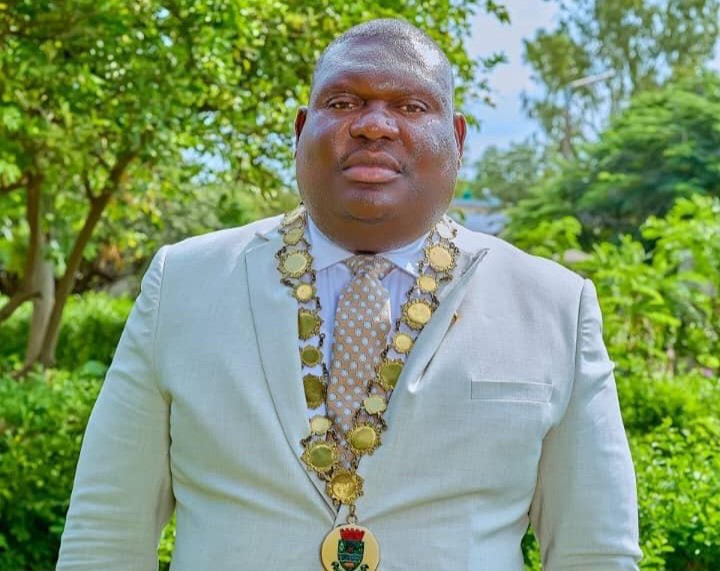
This shift marks a significant departure from reliance on central governmen funds, which are often delayed. The council’s chairman, Councilor Oscar Chiromo, told this publication that they had not received devolution funds since November 2023. But strangely, some districts have received their 2026 allocations.
“We continue to lobby through our parent ministry.” The amount due this year for the BRDC is ZiG 3.5 million. He added that this money was needed for projects such as servicing of stands and allocation at the Chamnanga Business Centre. There’s also a road maintenance project of “35 km on the Chamnanga road and about 24 km on the Tongwe road”, he said.
Read Full Article on ExpressMail Zimbabwe
All Zim News – Bringing you the latest news and updates.
