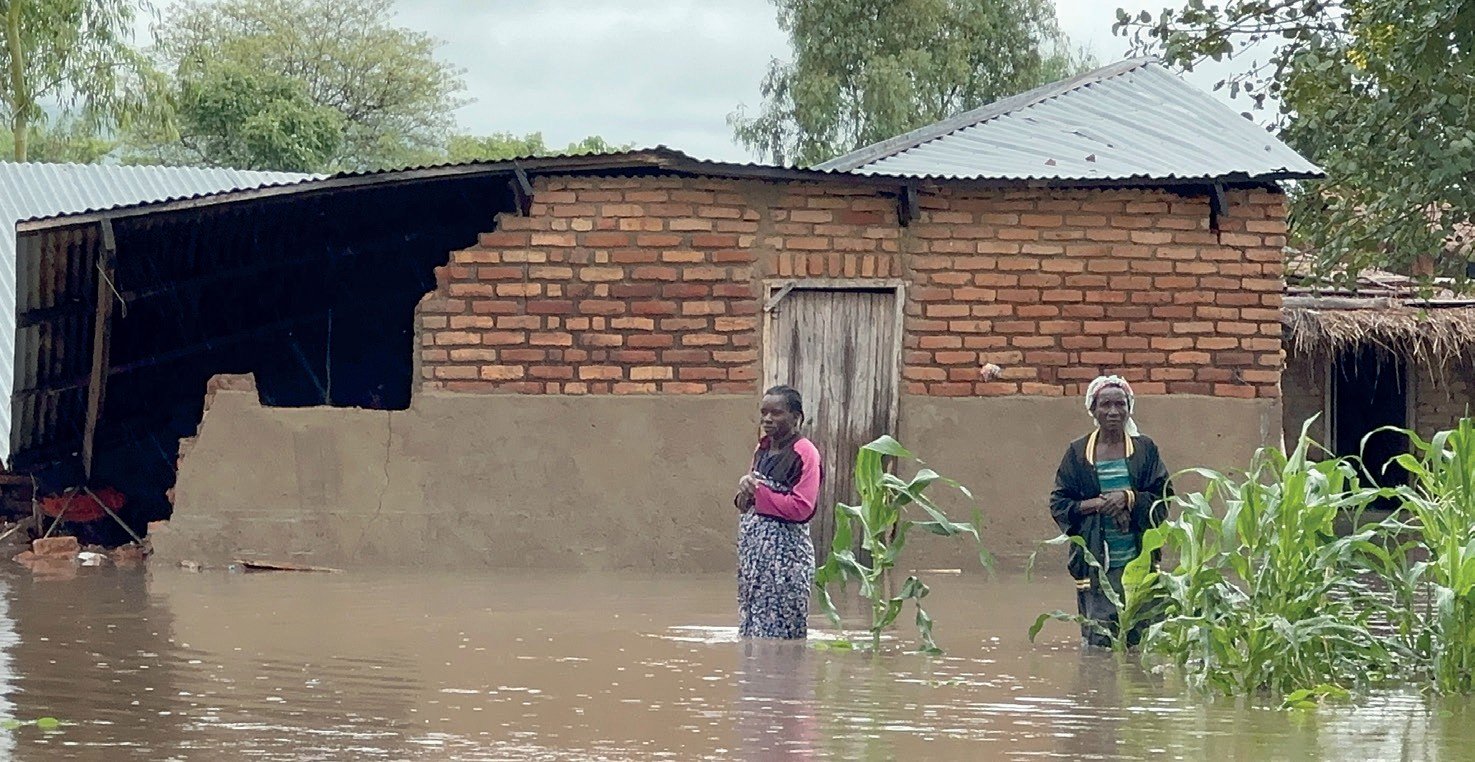
In Malawi, tongues are still wagging about Tropical Storm Ana, which inundated the Shire River, disrupting electricity and water supply nationwide in January 2022. The sole outlet of Lake Malawi ripped a developing dam for the country’s largest irrigation project, currently under construction, before tearing the floodgates and turbines that generate 130 megawatts for the nation. The damage at Kapichira Hydropower Station and the Shire Valley Transformation Project (SVTP) dam nearby triggered nationwide blackouts that spanned over a week at the northern tip.
City dwellers in Mzuzu, the commercial hub of the Northern Region, endured lost business, dry taps, dark nights, a costly industrial halt and healthcare disruption due to the disruption about 700 kilometres away. “When the Great Shire swells, power supply stutters and taps cough dry,” says Mzuzu resident Joseph Munthali. H endured dry taps for a week as the Electricity Supply Corporation of Malawi worked day and night to restore power.
The Electricity Generation Company (Egenco) toiled for 15 months to build back better at Kapichira. Power generation resumed at 5.03 pm on May 10 2024, two months after Cyclone Freddy hit the South. “Ana and Freddy caught us unawares because we didn’t learn from the devastating Cyclone Idai in 2019.
[paywall]
We didn’t do enough or collaborate well to protect our people, livelihoods and national assets in the Shire River Basin,” says Peter Chipeta, deputy director of water supply in the Ministry of Agriculture, Irrigation and Water Development. The rainstorms reminded policymakers and water users of the importance of the basin along the country’s longest river. The Shire River Basin covers a third of the Southern Region, sustaining essential services in Mangochi, Ntcheu, Balaka, Neno, Mwanza, Blantyre, Thyolo, Chikwawa and Nsanje.
It produces 95 percent of electricity for the national grid and boasts the country’s largest sugar factory, several irrigation sites, wildlife reserves, wetlands and water assets. However, massive loss of green cover worsens disasters in the highly endowed basin amid climate change. Presently, water users, policymakers and environmentalists are concerned about vanishing forests, farming too close to riverbanks, loss of fertile soils in farmlands, silted rivers, drought-prone streams and shrinking grazing lands. This amplifies calls for coordinated efforts to strengthen the basin’s resilience to better anticipate, absorb and tackle climate shocks.
[/paywall]
All Zim News – Bringing you the latest news and updates.
