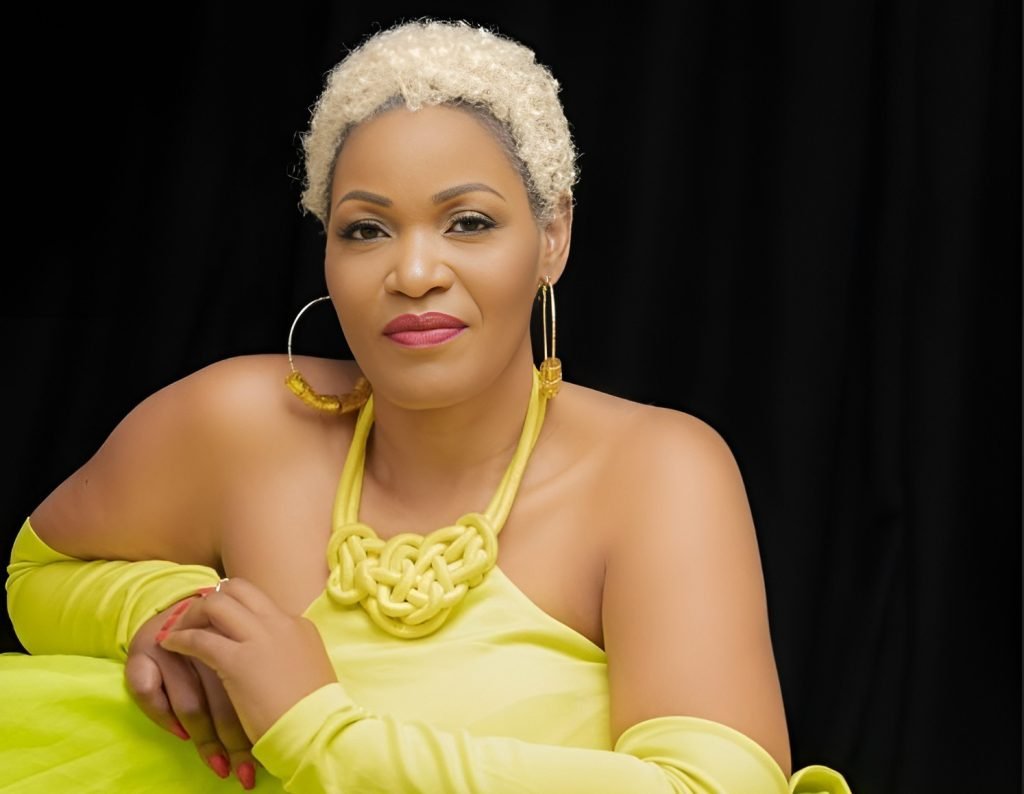
Women in Malawi’s creative sector have called for the creation of platforms that bring them together to address long-standing barriers that continue to limit their participation and growth in the industry. From cultural expectations to the pressures of the digital space and structural industry challenges, the women creatives say the journey has not been easy. Despite women making up about 52 percent of the country’s population, only a fraction contributes to national development through the creative sector.
For many, the challenges begin even before their careers take off as some are discouraged by negative perceptions surrounding creative work while others face harassment that forces them to abandon their craft altogether. Others simply give up, citing a male-dominated industry that rarely offers equal opportunities for women to showcase their talent or earn a living from it. These concerns were at the centre of discussions during the inaugural Women in Arts Conference held at Pearl Convention Centre in Lilongwe on March 24.
Organised by the Department of Arts under the Ministry of Youth, Sports and Culture, the conference brought together women from across disciplines, including music, fashion, film and visual arts to share experiences and explore solutions. Gospel musician Maggie Mangani said such platforms are essential and must be sustained to ensure that women have safe and consistent spaces to connect and grow. “Platforms like these are very important because they give women a chance to meet, share experiences and encourage each other.
[paywall]
We need more of these spaces if we are to grow as an industry,” she said. Mangani’s sentiments point to a longstanding gap in the sector, one where women often lack consistent, supportive environments to engage, learn and grow together. Without such spaces, many are left navigating the industry in isolation.
That sense of isolation, stakeholders say, has contributed to slower progress for women, despite the abundance of talent across the country. Commenting on the same, fashion designer Lilly Alfonso added that one of the biggest setbacks for women has been the tendency to work in isolation, which limits opportunities for collaboration and growth. “Most women operate in isolation and that affects how far we can go.
Spaces like these bring us together and that unity is powerful for growth and visibility,” she said. Miss Malawi second runner-up Tina Mkombezi said the inaugural conference is a strong starting point in pushing for inclusivity in the sector.
[/paywall]
All Zim News – Bringing you the latest news and updates.
