HARARE-The installation of pre-paid water meters in Harare is not just a policy shift—it is a deeply contested project, reportedly financed through a staggering US$400 million loan facility from China. At a time when the city’s water infrastructure is visibly deteriorating, this decision has become a thorn in the flesh of residents who are grappling daily with erratic water supplies, burst pipes, and failing treatment systems. What makes the situation more troubling is that this project appears to run counter to Zimbabwe’s own constitutional obligations.
Section 77 of the Constitution of Zimbabwe (Amendment No. 20 of 2013) clearly states that “every person has the right to… safe, clean and potable water” and places a duty on the State and local authorities to take reasonable measures to progressively realize this right. This right is not optional; it is binding.
As legal scholars have noted, the Constitution imposes an obligation on authorities to ensure access to potable water for every person within Zimbabwe’s borders. Against this legal backdrop, the manner in which pre-paid water meters are being introduced raises serious constitutional and governance concerns. Residents were not meaningfully consulted.
Read Full Article on ExpressMail Zimbabwe
[paywall]
There were no widespread public deliberations explaining why a capital-intensive project of this magnitude was prioritized over repairing leaking pipes, addressing non-revenue water, estimated in some studies to be alarmingly high or rehabilitating critical infrastructure such as Morton Jaffray and Prince Edward waterworks. Instead, many residents report that officials from Helcraw simply arrived at their homes, ready to install the meters. Accounts from communities paint a disturbing picture.
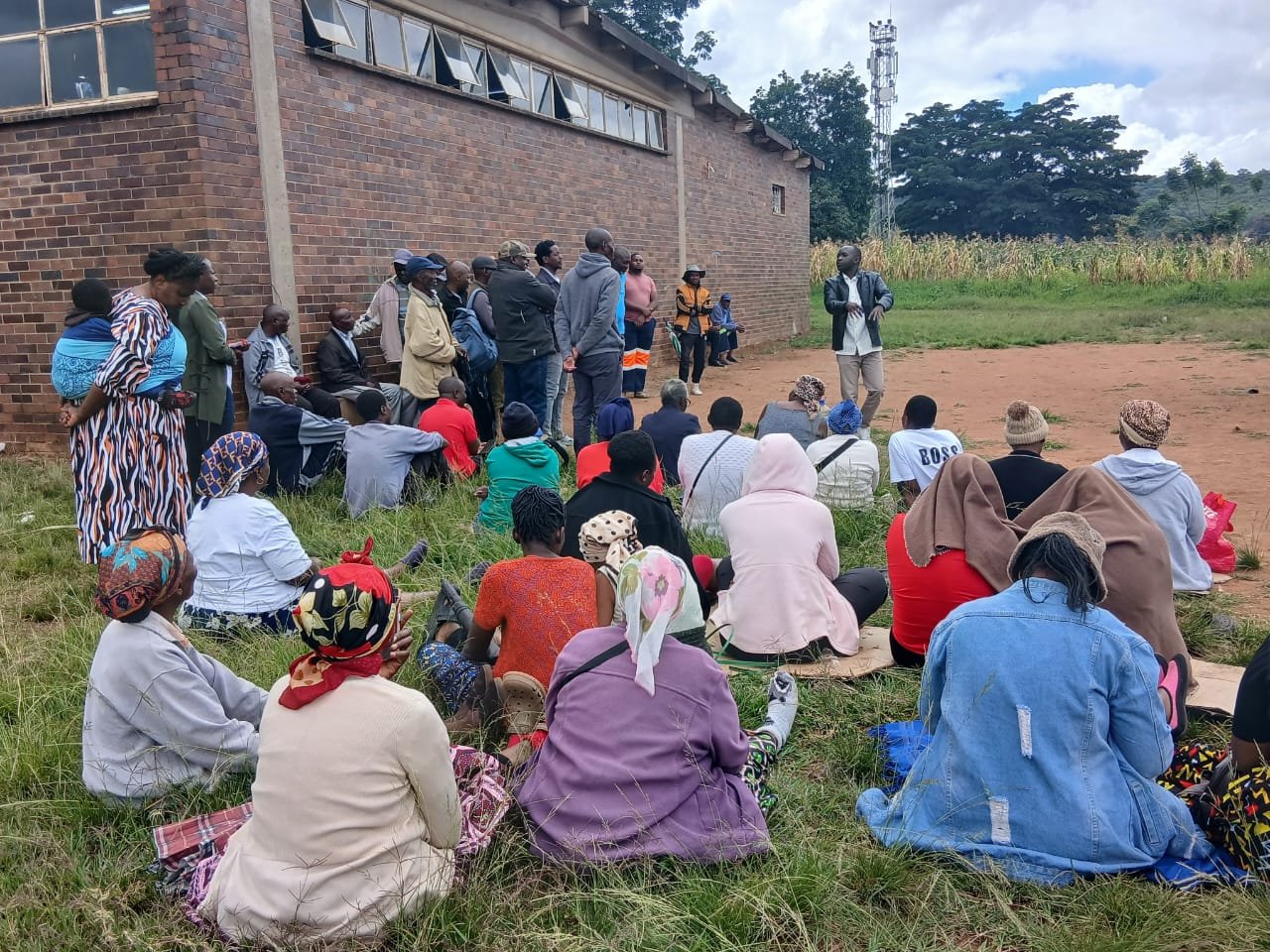
Some residents allege that they were threatened with the removal of existing council meters if they refused installation, while others claim municipal police were used to compel compliance. In response, some households reportedly resorted to locking their gates in protest,an act that symbolizes not defiance for its own sake, but a deep erosion of trust between residents and the authorities meant to serve them. This erosion of trust is further exacerbated by the apparent silence of elected representatives.
Councilors, who are constitutionally and politically mandated to represent residents’ interests, are reportedly absent from community engagements, with some even accused of changing their phone numbers to avoid accountability. This raises a fundamental democratic question: whose voices matter in Harare’s water governance,the residents who bear the brunt of policy decisions, or technocrats and contractors who implement them? The Constitution does not only guarantee the right to water; it also guarantees citizens the right to express themselves, assemble, and petition authorities.
Section 59 explicitly provides for the right to demonstrate and present petitions peacefully. It is therefore unsurprising that residents have already begun exercising this right, with a petition reportedly submitted to the mayor outlining their grievances over pre-paid water meters. This aligns with broader civic trends in Zimbabwe, where communities have increasingly mobilized to demand accountability in water governance.
Yet the key issue remains unresolved: why is the City of Harare so determined to pursue pre-paid water meters in the face of sustained public opposition? The opacity surrounding the deal has inevitably fueled speculation among residents, with growing perceptions that elite interests may have influenced the prioritization of this project over more urgent, people-centered interventions. In a constitutional democracy, public suspicion thrives where transparency is absent.
If indeed this project is in the best interests of residents, then the council must subject it to open scrutiny, provide clear cost-benefit analyses, and demonstrate how it advances,rather than undermines, the constitutional right to safe, clean and potable water. In the meantime, residents are not without recourse. Beyond petitions, they can lawfully organize community meetings, engage civil society organizations, and pursue public interest litigation to challenge policies that appear inconsistent with constitutional provisions.
Peaceful demonstrations, as protected by law, remain a legitimate tool for citizens to assert their rights. Constructive engagement with oversight bodies such as the Zimbabwe Human Rights Commission can also provide institutional pathways for redress. What is clear is that access to water is not a privilege to be rationed through opaque systems, it is a constitutional right that must be realized progressively, equitably, and transparently.
Until the City of Harare aligns its policies with both the letter and spirit of the law, the pre-paid water meter project will remain not just a technical intervention, but a deeply political and contested issue ,one that continues to test the relationship between citizens and those entrusted with public power. George Makoni is a civic rights activist and can be reached on 0787448158.
[/paywall]
All Zim News – Bringing you the latest news and updates.
