Introduction of 0.05 percent levy on mobile money and electronic bank transfers has triggered industry alarm, raising fears that it could erode financial inclusion gains and drive users back to cash transactions. In its position paper published on Wednesday, Association for Digital Financial Services (ADFS) Malawi said the levies risk undermining the country’s digital transformation agenda, particularly for low-income and rural users who rely heavily on mobile platforms such as Airtel Money and TNM Mpamba. “The decision is counterproductive to Malawi’s financial inclusion and digital economy ambitions,” said the association’s vice-chairperson Lumbani Gondwe, warning that even a small charge could discourage usage where incomes are already stretched.
He argued that taxing digital transactions risks pushing users back to cash, increasing the cost of currency management for the Reserve Bank of Malawi (RBM) and weakening trust in formal financial systems. Gondwe referred to case studies in Uganda, Ghana and neighbouring Tanzania, where similar levies led to sharp declines in mobile money transactions. Tanzania and Ghana eventually scrapped the tax after a significant drop in usage.
He noted that Malawi has made significant progress in financial inclusion in recent years, largely driven by mobile money expansion, and warned that the levy could reverse these gains. “For majority of Malawians, mobile money platforms are the most accessible financial services,” Gondwe said, adding that the levy risks becoming “three steps back” for inclusion efforts. He further argued that government could instead leverage digital financial systems to enhance tax compliance without penalising usage, suggesting that sustaining affordability is key to long-term growth, job creation and resilience.
[paywall]
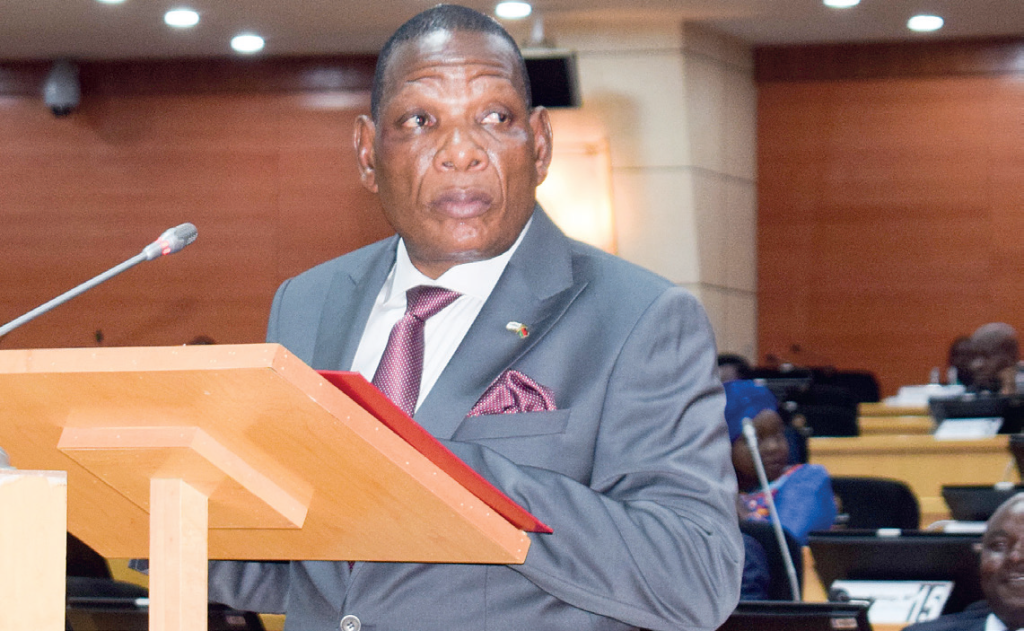
The two levies, introduced by Minister of Finance, Economic Planning and Decentralisation Joseph Mwanamvekha in the 2025/26 Mid-Year Budget Review, last November is part of a broader package of measures aimed at widening the revenue base, closing fiscal gaps and restoring macroeconomic stability. However, financial markets and policymakers have expressed concern that it would undermine Malawi’s National Financial Inclusion Strategy, which seeks to increase formal financial access to 95 percent of the adult population and reduce exclusion to five percent 2028. Key pillars include digital financial services, micro, small and medium enterprises financing, expanding agent banking and robust consumer protection, with a focus on women, farmers, and rural populations.
Reacting to the budget statement in Parliament on Monday, Malawi Congress Party (MCP) spokesperson on finance Peter Dimba described the levies as “counterproductive” and warned they could discourage financial formalisation. “Even those that are already banked may even close their accounts. We would rather probably keep it under our pillows,” he said, arguing that consumer behaviour is highly sensitive to transaction costs. Budget and Finance Committee of Parliament chairperson Sosten Gwengwe also cautioned against overreliance on distortionary taxes, urging government to instead broaden the tax base by targeting the informal sector and emerging industries, while strengthening non-tax revenues such as toll fees and parastatal performance.
[/paywall]
All Zim News – Bringing you the latest news and updates.
