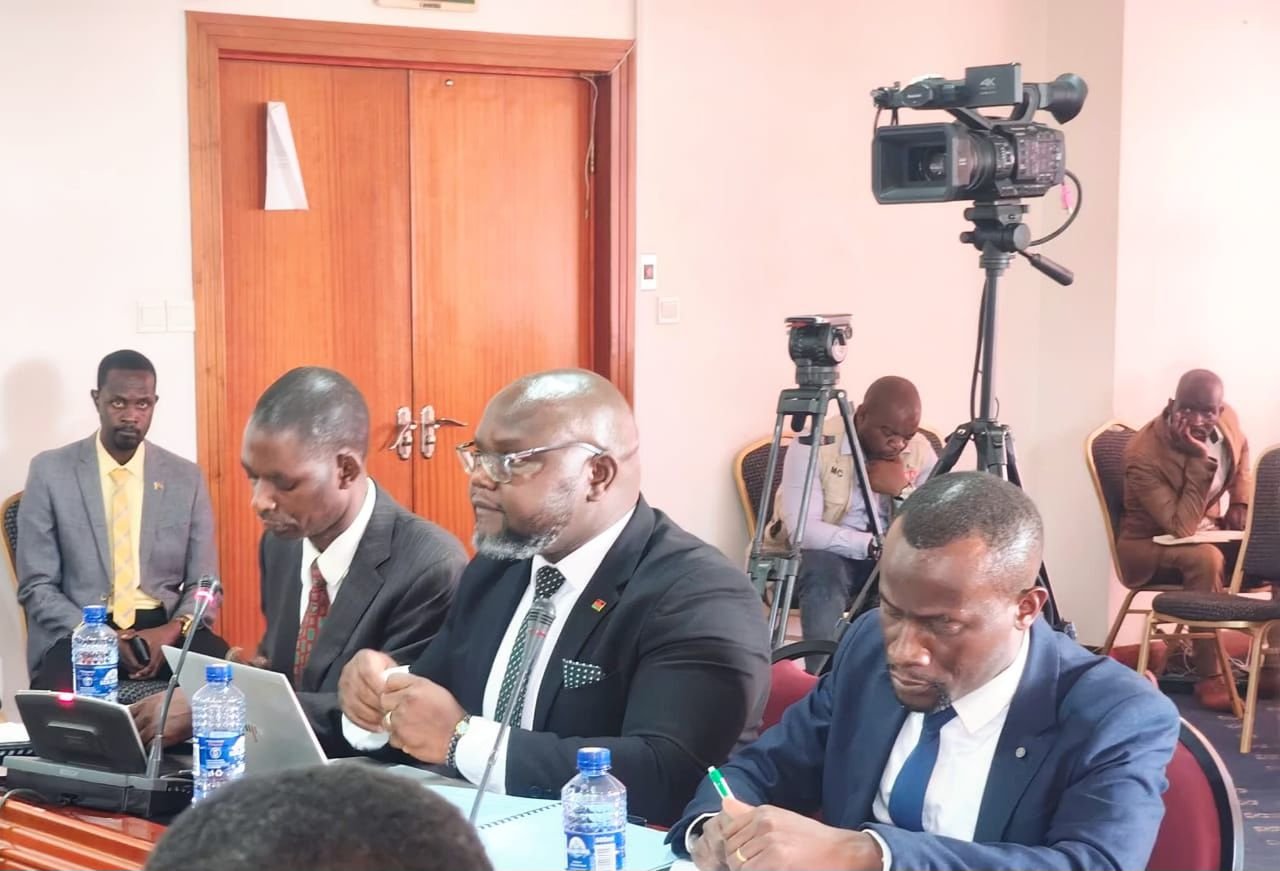
The Anti-Corruption Bureau has defended its decision to clear the controversial K128.7 billion purchase of the Amaryllis Hotel, telling lawmakers that while the deal raised serious investment and governance concerns, investigators did not find evidence that it amounted to corruption under the law. Appearing before the Public Accounts Committee in Lilongwe, acting director general Gabriel Chembezi acknowledged that the bureau encountered multiple red flags during its probe into the purchase by the Public Service Pension Trust Fund. These included a sharply increased purchase price, governance weaknesses in the transaction process, and concerns about the limited involvement of professional fund managers.
Yet Chembezi insisted that these issues, troubling as they may appear, do not automatically constitute corruption. “Operational risks, viability concerns, and an increased purchase price are not conclusive evidence of corruption,” Chembezi told the committee. “If I had a conclusive report that the business itself was not viable, then the question would be what motivated the decision—that is where ACB’s work begins.” The Amaryllis deal has come under intense scrutiny after it emerged that the value of the property rose dramatically—from about K30 billion in 2023 to K128.7 billion by November 2025—raising serious public concerns about whether the pension fund paid far above the hotel’s true market value.
The controversy deepened when EMJ Advisory, which recommended that the property could be worth between K115 billion and K145 billion, admitted before the committee earlier this week that it is not a registered property valuer, casting doubt on the credibility of the valuation used to support the purchase price. Chembezi revealed that the bureau’s investigation also faced significant hurdles. He said the individual who initially raised the complaint never came forward to provide evidence, while the Malawi Law Society declined to submit documentation to substantiate the allegations it had raised.
Read Full Article on Nyasa Times
[paywall]
According to Chembezi, the bureau investigated four major issues brought forward by the Law Society: the suspected reversal of a previous board decision not to buy the hotel, possible lack of due diligence in the investment process, potential conflict of interest among decision-makers, and the suspicious timing of personnel changes within the pension fund. However, investigators concluded that none of the allegations could be supported by evidence strong enough to sustain corruption charges. On claims that a previous board had resolved not to proceed with the acquisition, Chembezi told the committee that the fund’s acting principal officer informed investigators in November 2025 that no signed minutes exist confirming such a decision.
“Unless those minutes are fabricated now, they do not exist,” he said. Chembezi also clarified that the bureau lifted a restriction notice on the transaction in January this year because it could not legally be sustained once the corruption investigation concluded. He stressed that removing the restriction did not mean the bureau had approved the purchase.
He added that the case could still be reopened if new evidence emerges, suggesting that a comprehensive forensic audit could help establish whether fraud, misconduct, or other irregularities occurred during the transaction. For now, the bureau’s position remains firm: despite the many warning signs surrounding the deal, investigators say the evidence available does not meet the legal threshold required to prove corruption.
[/paywall]
All Zim News – Bringing you the latest news and updates.
