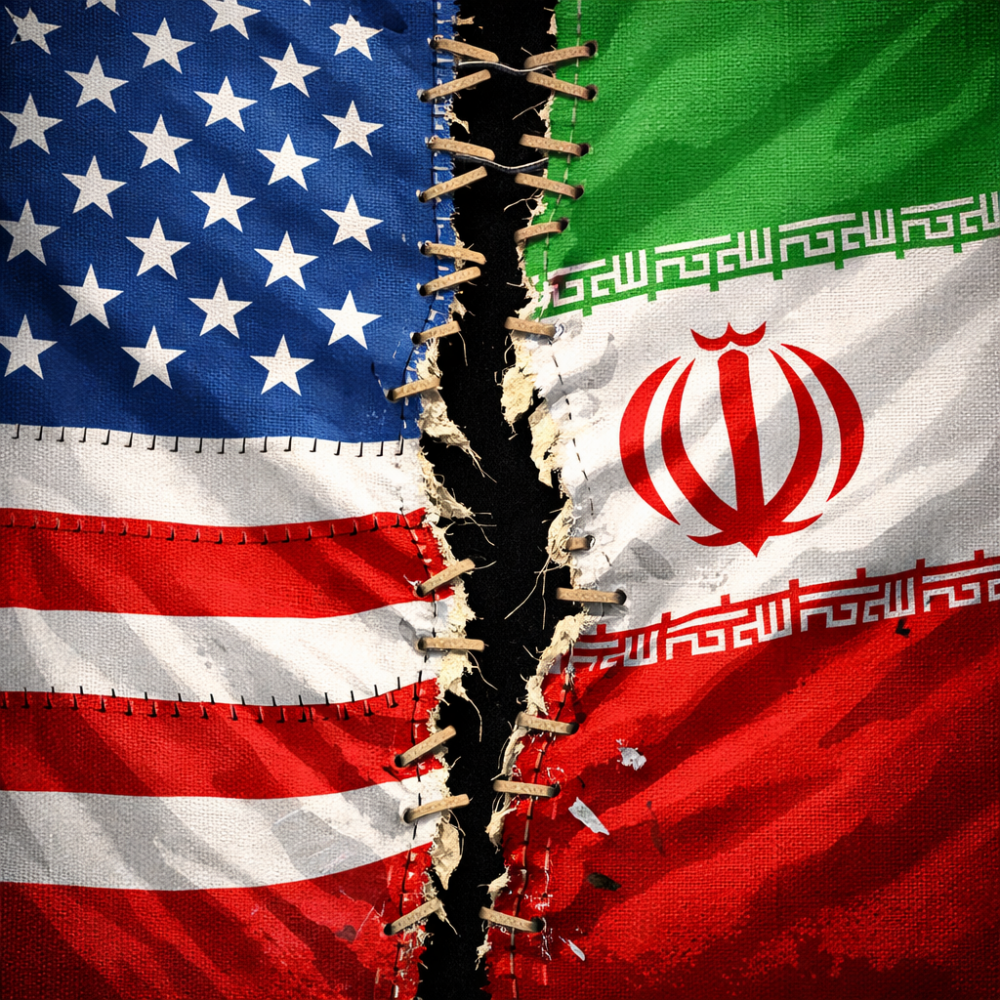
The G7 finance ministers’ meeting on Monday fell short of addressing the core issue in the escalating Middle East crisis — calling for an end to the US-Israel war with Iran — experts said on Tuesday. The meeting took place against the backdrop of soaring oil prices, which have climbed to about $120 (about R1 950) a barrel, Iran’s closure of the strategic Strait of Hormuz shipping route and escalating missile attacks and a mounting death toll on all sides. Despite thegrowing crisis, G7 nations said only that they were ready to take “necessary measures” to support the global supply of energy.
The meeting, which included finance ministers from G7 nations and representatives from the International Energy Agency, ended without an agreement to release strategic crude reserves. Political economistsDr Sam KomaandDale McKinleysaid the G7 meeting should have gone further by calling for an end to the war. “The G7 finance ministers cannot afford to be bystanders to this escalating conflict in the Middle East region.
Thesurging oil priceshave the potential to trigger a devastating global economic crisis if the situation is not arrested. The G7 must call for a peaceful resolution of the conflict,” Koma said. McKinley agreed.
Read Full Article on Mail & Guardian
[paywall]
“The only alternative to a longer-term pain regarding the transportation of oil and gas is to end the war, coming to a diplomatic solution.” Unisa senior political science lecturerDr Ahmed Jazbhaysaid the G7 “must move beyond militarised and elitist crisis management”. “Alternatives include de-escalation through inclusivity and diplomacy, with Iran reopening a multilateral energy corridor, accelerating strategic reserves and reducing dependence on conflict‑prone oil routes, rather than securitising global energy flows. “The perspective of Iran in relation to this unprovoked and illegal war of aggression, must be central in conversations,” Jazbhay said.
Withglobal oil and energy flows disruptedby Iran’s closure of the Strait of Hormuz, debate has intensified over alternative shipping routes. One option under renewed discussion is the Cape of Good Hope, although some analysts have questioned whether the longer route is economically viable. Transport and logistics economists were upbeat, saying the shift could create financial opportunities for South Africa but warned that port inefficiencies could undermine the benefits.
[/paywall]
All Zim News – Bringing you the latest news and updates.
