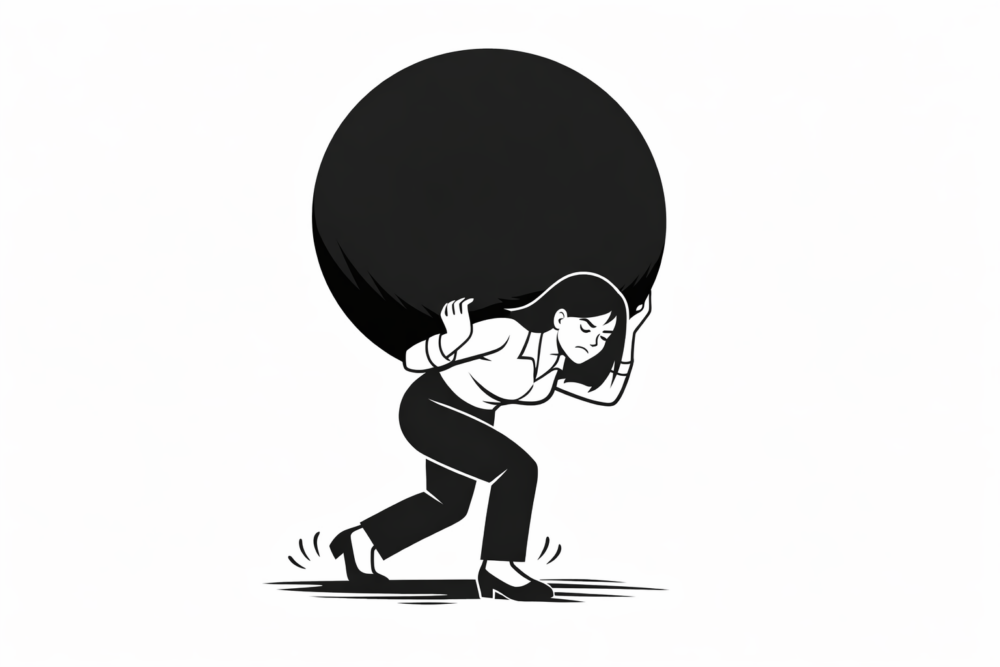
International Women’s Day(8 March) arrives each year with flowers, hashtags, panel discussions and corporate emails carefully drafted to celebrate resilience. We celebrate strength. We celebrate progress.
We celebrate “how far we have come.” And yet there is something uneasy about celebration when the burdens remain so unevenly distributed. Because women do not merely work. They carry.
They carry institutions. They carry households. They carry histories.
Read Full Article on Mail & Guardian
[paywall]
They carry expectations that are so normalised that we rarely stop to name them. And in naming them, we might begin to see what we have long chosen not to see. In many workplaces, women are still expected to be the emotional regulators of the room.
The ones who smooth conflict. The ones who remember birthdays. The ones who check in when someone is struggling.
The ones who take notes. The ones who ensure the meeting feels “balanced.” These acts are rarely written into job descriptions. They are simply assumed.
When a man asserts himself, he is decisive. When a woman asserts herself, she risks being described as “difficult.” When a man withdraws emotionally, he is focused. When a woman does so, she is asked whether she is coping.
In recent research on women living with chronic illness, I have seen how these expectations intensify rather than soften when a woman’s body does not conform to workplace ideals of endurance and composure. Workplaces are not neutral spaces. They are structured around assumptions of stability, predictability and uninterrupted productivity.
When women must “perform wellness” to remain credible, gendered expectations merge with ableist ones. The architecture of expectation is subtle. It does not shout.
It whispers. It shapes behaviour through repetition. Over time it becomes normal.
And what is normal is rarely interrogated. But perhaps the greatest disservice of our public conversations is that we often speak of “women” as though they exist outside of history, race, class, disability, geography and culture. As though womanhood is a single experience. It is not.
[/paywall]
All Zim News – Bringing you the latest news and updates.
