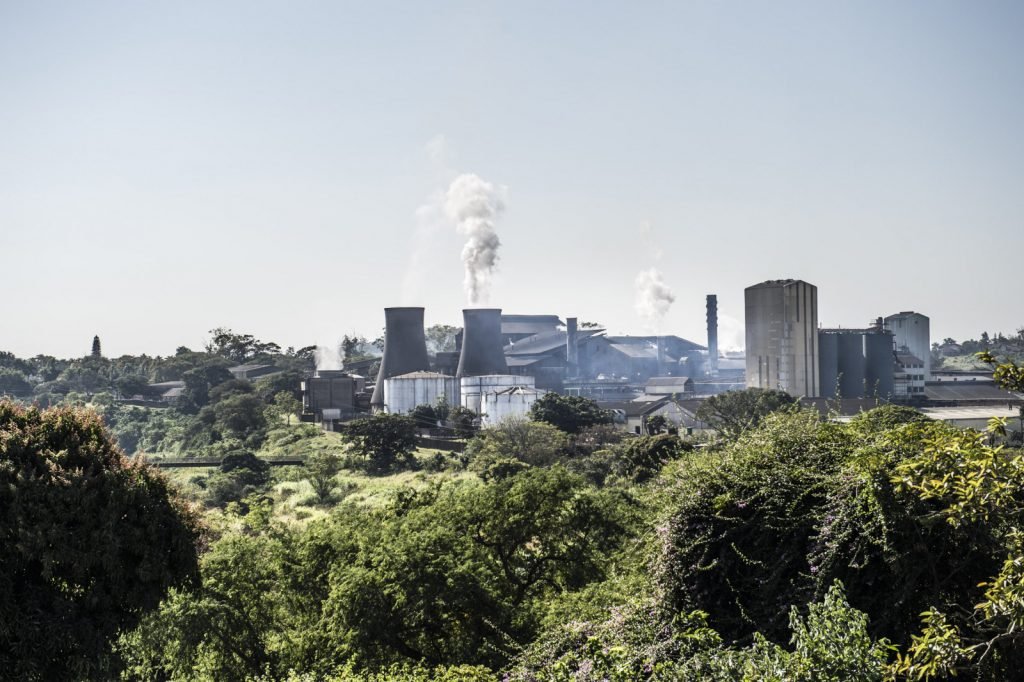
While Tongaat Hulett Pty Limited’s (THL) business rescue practitioners (BRPs) seek liquidation, which they regard as a solution to the financially-ailing South African sugar producer, parties opposed to the move have filed court papers to block it. Among those opposing liquidation is the Industrial Development Corporation (IDC), which has warned that the move would lead to the winding-up, business interruption and possible cessation of operations. In an affidavit deposed by IDC’s Bongani Winston Tutu Miya, seen by the Mail & Guardian, the development finance institution has cautioned about the rights of secured creditors, saying the value of all security held by them would also erode.
“The rights of employees will be determined in accordance with the statutory preferences accorded to them in terms of the Insolvency Act, 1936. “It is unlikely that liquidation funding will be available and this will result in a forced sale of assets – at huge discount to market value. “Most importantly, a liquidation will result in the loss of the capability inherent in the assets of THL – reducing agricultural and industrial capacity with no guarantee of a recovery,” said Miya.
Maintained Miya: “In a liquidation, inventory will fall to be realised under forced-sale circumstances. Debtor recovery will be severely impacted. Market confidence will erode.
Read Full Article on Mail & Guardian
[paywall]
“The benefits of ongoing trading will be lost. Mills will cease operations, and the likelihood of the mills being able to restart will worsen over time. A liquidation will have a significant impact on the supply ecosystem.” He said about 100 000 hectares of agricultural land supplying the mills would be affected.
“The value of these properties is derived from their productive capacity, as dryland cane farms. In the absence of a functioning mill and a viable cane market, the value of these properties will erode. “This will destabilise rural farming communities who are dependent on operating mills.
The livelihoods of farmers will be threatened with many being unable to operate, pay salaries to their staff and discharge financing obligations obtained for farming operations,” added Miya. The IDC supports a business rescue, saying it “will, with the support of ongoing PCF (post-commencement finance) by the IDC, provide operational continuity and preservation of jobs”.
[/paywall]
All Zim News – Bringing you the latest news and updates.
