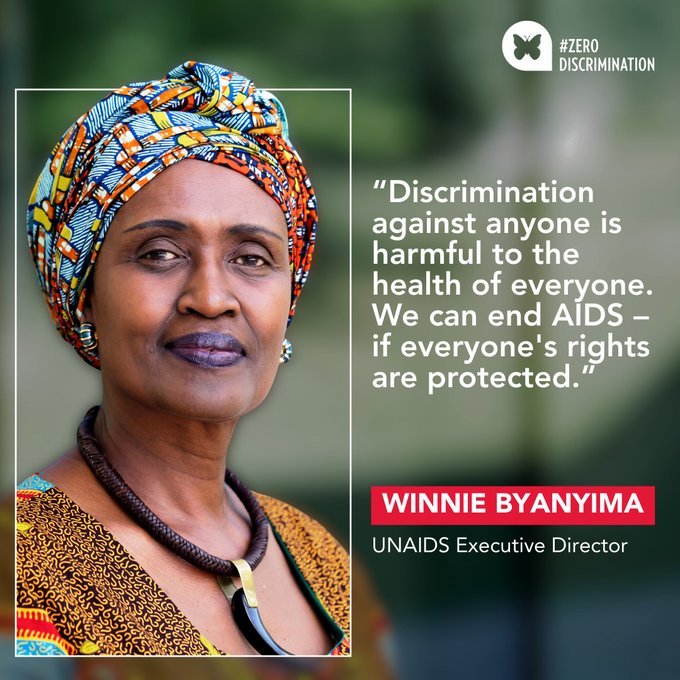
Every person has the right to live a full life with dignity. Yet across Southern Africa, a region that has achieved some of the world’s most remarkable gains against HIV, punitive criminal laws are undermining that principle. Laws criminalising sex work, same-sex relationships, drug use, and HIV transmission are driving people away from the very health services that could save their lives.
As we mark Zero Discrimination Day on 1 March and look ahead to World TB Day on 25 March, this month offers a critical moment to confront a truth we can no longer avoid: the same laws that fuel the HIV epidemic also fuel tuberculosis. Both diseases thrive where criminalisation drives people underground and into denial and ignorance. At the South African AIDS Conference in 2023, we met with former sex workers who now form part of the advocacy group, SWEAT, calling for the decriminalisation of sex work.
Many relayed their stories of abuse, from both clients and the police. However, it wasn’t just the lack of police protection that made them more vulnerable to abuse but with it came a lack of access to health protection. Their stories are not unique.
Read Full Article on Mail & Guardian
[paywall]
They are proof that punitive laws are, in practice, driving people away from lifesaving health services. They further described their relief at institutions such as WITS RHI and OUT among others, who had created spaces for them to access condoms, HIV prevention medication, testing and treatment without the fear of humiliation, scorn and stigma. Unfortunately, with the funding cuts of 2025, some of these clinics no longer exist.
Today, many are dependent on the grassroot community-based organisations to provide these much-needed services. Eswatini has the highest HIV prevalence of any country in the world – over 27% of its population is living with the virus. Yet HIV prevalence among sex workers in Eswatini stands at 60.5%, among the highest recorded anywhere on the continent.
In Lesotho and South Africa, key populations — including sex workers, gay men and other men who have sex with men, transgender people, and people who use drugs — bear a disproportionate burden of new infections. These are not coincidences of biology. They are the predictable consequences of criminalisation.
When sex work is criminalised, sex workers power equation with clients change totally and they cannot negotiate safer working conditions. They cannot report violence to police without risking arrest. They avoid health facilities where stigma and legal exposure await them.
When same-sex relationships are criminalised, gay men and transgender people are pushed underground, unable to access targeted prevention services, too afraid of disclosure to test for HIV or initiate treatment. When drug use is criminalised without pathways to harm reduction, people who inject drugs share equipment and avoid health systems. When people living with HIV face the prospect of criminal prosecution for transmission or exposure, they defer testing, delay treatment, and remain silent, fuelling the very spread the law claims to prevent.
[/paywall]
All Zim News – Bringing you the latest news and updates.
