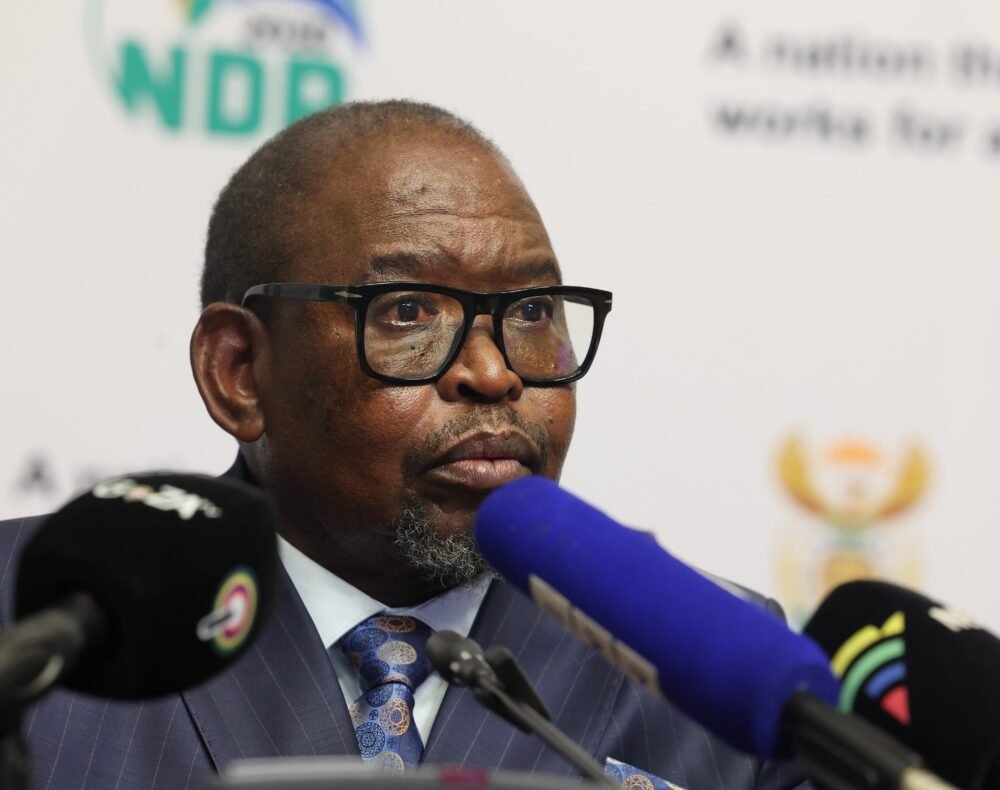
Finance MinisterEnoch Godongwanatabled the 2026budgetprojecting that public debt has reached its peak and will begin to decline over the medium term. After several years in which debt ratios climbed and fiscal buffers narrowed, the framework set out a consolidation path built on sustained primary surpluses and moderated borrowing. Gross debt is projected to stabilise at 78.9% of gross domestic product in the current fiscal year before declining to 76.5% by 2028 to 2029.
The consolidated deficit narrows from 4.5% of GDP to 3.1% over the same period. The main budget primary surplus strengthens to above 2%. The gross borrowing requirement is lower than previously projected, easing pressure on bond issuance.
The shift is significant. Over the past decade, South Africa’s debt trajectory has been marked by rising borrowing costs, widening deficits and repeated upward revisions to projections. Stabilising the debt ratio, even at elevated levels, represents a break from that pattern.
Read Full Article on Mail & Guardian
[paywall]
It reduces the risk that debt service costs will consume an increasing share of revenue and limits the likelihood of abrupt fiscal adjustment. Economists broadly agree that fiscal discipline has been preserved. Their disagreement lies in what consolidation can deliver.
The budget is “a very credible, market friendly budget with relatively conservative assumptions that will be liked by both the equity and bond markets”, said Johann Els, chief economist at PSG Financial Services. In his view, markets have only recently accepted the national treasury’s consolidation path after years of scepticism. Lower deficits, stronger primary balances and a declining debt ratio reinforce that credibility and strengthen the case for further ratings upgrades.
Els emphasised the treasury’s conservative revenue assumptions, particularly around mining receipts. If revenue outperforms projections, fiscal outcomes could improve further. Tertia Jacobs, treasury economist and fixed income specialist at Investec, offered a similar reading, describing the budget as “more of a holding position” following the medium term budget policy statement late last year.
Although the debt to GDP ratio was revised marginally higher than some expected, the medium term trajectory remains downward and the increase in capital expenditure is “a positive development”. Fiscal consolidation has been preserved “in line with our long standing expectation”, said Standard Bank group head of South Africa macroeconomic research Elna Moolman.
[/paywall]
All Zim News – Bringing you the latest news and updates.
