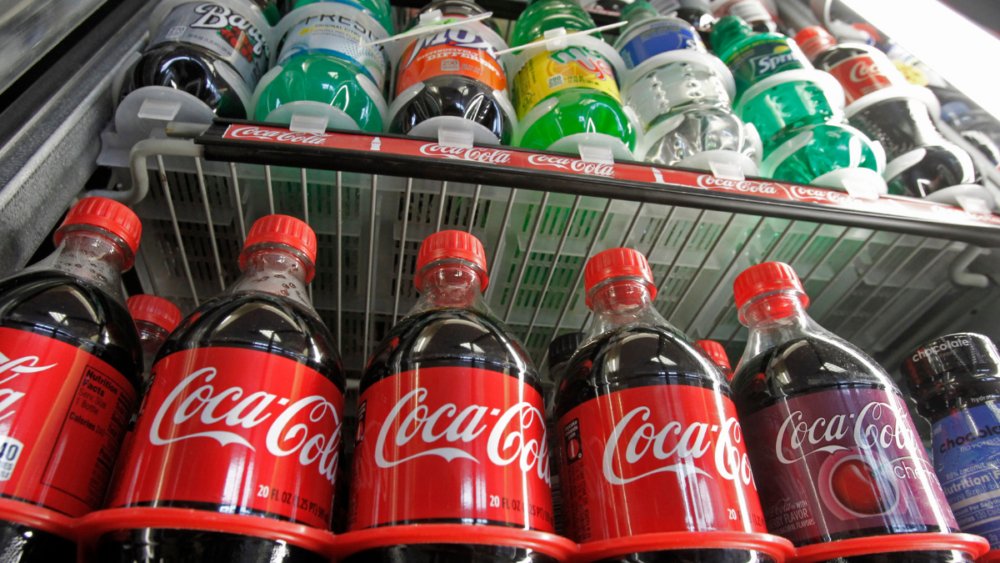
The public service announcement that aired on Radio Sonder Grense, the Afrikaans arm of the South African Broadcasting Corporation, in October 2024, didn’t mince words. “Fizzy drinks and fruit juice make our children sick,” a speaker said in Afrikaans. With every sip, the ad continued, sugar was dumped into their bodies, “leading to obesity, heart disease and diabetes as they age.” Listeners were then urged to support a stronger tax on sugary drinks.
Two months after the ad first appeared, an industry-funded advertising oversight body, the Advertising Regulatory Board (ARB),told major broadcasters not to air it in its current form. A parent had complained to the ARB that the ad made his daughter believe her school “was trying to poison” pupils because fruit juice was served with lunch every day. The ARB said it haddetermined that the adin its original form was misleading because it created the false impression that consumption of any sugary drink would cause disease.
Heala said it would take its case to the South Gauteng High Court in Johannesburg for review in March. In the meantime, the group has run an edited version of the ad that includes the qualifier “could” before the assertion that sugary drinks make people sick. “We are being blocked from running a public service announcement or a public health message by a group that is then funded by the very people whose products are being impugned,” Petronell Kruger, programme director of Heala, told the US media organisation,The Examination, a publishing partner of theBhekisisa Centre for Health Journalism.
Read Full Article on Mail & Guardian
[paywall]
The dispute over the Heala advertising comes as South Africa confronts a worsening epidemic of diet-related disease. In the past decade, the obesity rate among children younger than 5 hasnearly doubled. Diabetes and other noncommunicable diseasesaccount for an increasing number of deaths.The health crisis has brought renewed attention to the advertising of unhealthy foods, especially ads directed at children.
The ARB’s mandate is to ensure that advertising in South Africa is “factual, honest and decent”, by enforcing a code developed with industry. Although its rulings technically apply only to members, the country’sElectronic Communications Actrequires major broadcasters to adhere to the code andfollow its rulings. As a result, if the board blocks an ad, there’s a high chance that much of the country’s population will neither hear nor see it.
The ARB has fought to keep its place as the advertising industry’s de facto regulator and has pushed back on proposed regulations that its members oppose. Adopting language that echoes the positions of its financial backers, it has worked to blockfront-of-pack labelling on unhealthy foodsand weaken proposed legislation that wouldlimit vape advertising.
[/paywall]
All Zim News – Bringing you the latest news and updates.
