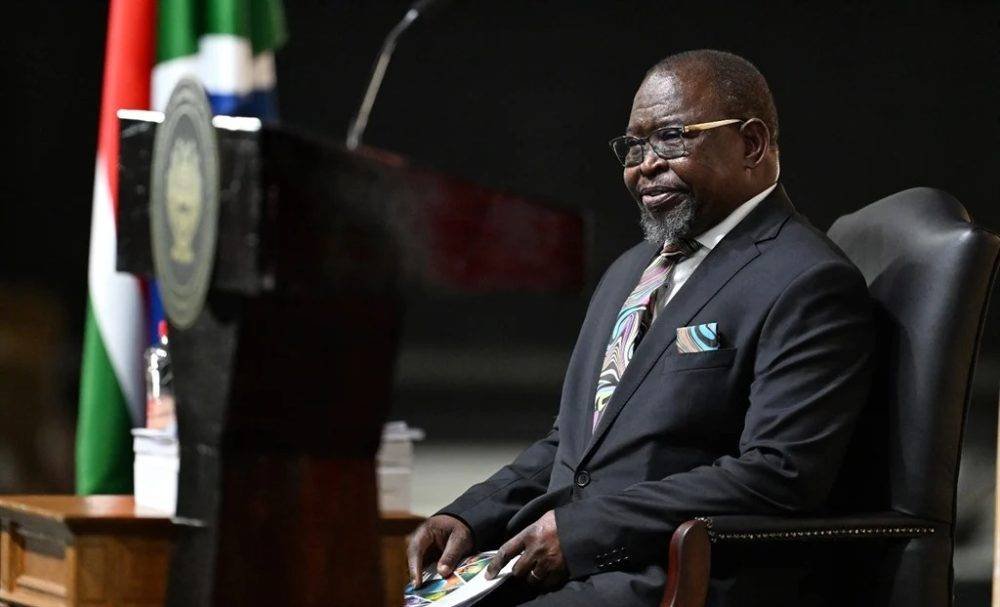
TheInternational Monetary Fundexpects Finance MinisterEnoch Godongwanato maintain a primary budget surplus target of 1.5% of GDP, its mission chief for South Africa Delia Velculescu said. “What we would hope and expect from it is to see adherence to the primary surplus target that was announced in themedium-term budget statement, so the 1.5% of GDP primary surplus, we hope that will be maintained,” Velculescu told theMail & Guardian. “And, importantly, we hope the budget will specify the reforms needed to get there.” She said controlling thepublic sector wage billwould be critical and commended government’s plans to address inefficiencies and provide incentives for early retirement.
“We know the authorities have undertaken a number of spending reviews in these areas and what we expect to see in the budget is the outcome of those reviews and the policies and reforms that will achieve those savings,” Velculescu said. The IMF executive board concluded its 2025 Article IV consultation with South Africa in early February, noting that the economy had proven resilient to renewed global turbulence linked to greater protectionism, fragmentation and heightened policy uncertainty. “Our recent mission has found that South Africa’s economy has been resilient despite renewed global turbulence last year.
Indeed, growth rebounded, the Rand appreciated, the stock market increased and bond yields declined,” Velculescu said, attributed these positive developments to strong institutions, a credible monetary framework and a flexible exchange rate. She said the move to a lower 3% inflation target, the country’s exit from the Financial Action Task Force greylist and infrastructure reforms underOperation Vulindlelawere important domestic achievements. “In this context, we have revised up our growth projection in the near term and expect growth to reach around 1.3% in 2025 and 1.4% this year and gradually rise to 1.8% in the medium run,” she said.
Read Full Article on Mail & Guardian
[paywall]
Continued resilience in domestic consumption would support growth alongside declining inflation and interest rates, while ongoing structural reforms would have a positive impact, she said, adding: “However, we do see risks on the horizon and those are tilted on the downside related to an intensification of fragmentation and protectionism in the global economy as well as tighter global financial conditions.” A slowdown in domestic reforms would pose additional risks to growth. The IMF’s policy recommendations focus on reforms needed to support macroeconomic stability and resilience against external shocks while pivoting towards higher and more inclusive growth.
[/paywall]
All Zim News – Bringing you the latest news and updates.
