After more than a century of monopoly control underEskom, South Africa is shifting towards a competitive multi-market electricity system anchored by a wholesale market and supported by bilateral trading. The transition aims to unlock large-scale private investment, improve reliability and lower long-term costs, according to a new report by research and advisory firmKrutham, Policy to Power: Ten Actions to Deliver Green, Accessible and Secure Electricity. Thereportwas commissioned by theSouth African Energy Traders Association(Saeta).
It sets out a practical, sequenced roadmap to complete the country’s electricity reforms and deliver a competitive multi-market that is designed to unlock the investment needed to deliver a least-cost, resilient power system, one that can support faster economic growth and lower tariffs. The analysis draws together the key strands of reform under the Electricity Regulation Act, as amended, and the Energy Action Plan, translating policy commitments into concrete delivery priorities. It focuses on the practical question facing the government and the market: Which binding constraints must be tackled, by whom and in what sequence, to turn reform momentum into durable outcomes?
At the centre of the reforms is the unbundling of Eskom Holdings, described in the report as the most important economic reform since 1994. “Done efficiently and timeously, it will enable competition, crowd in private capital and support a resilient power system,” the authors said. Separating generation, transmission and distribution was intended to dismantle the single-buyer model that had dominated the sector for decades and lay the foundation for a competitive wholesale electricity market.
Read Full Article on Mail & Guardian
[paywall]
If implemented effectively, the reforms could deliver a least-cost, reliable electricity system while easing pressure on the public purse. Crucially, the report stressed that the reform challenge was no longer about policy intent: “It is now about execution, sequencing and institutional coordination.” The push for reform was driven by both global and domestic forces. Internationally, electricity systems were being reshaped by rapidly falling renewable energy costs.
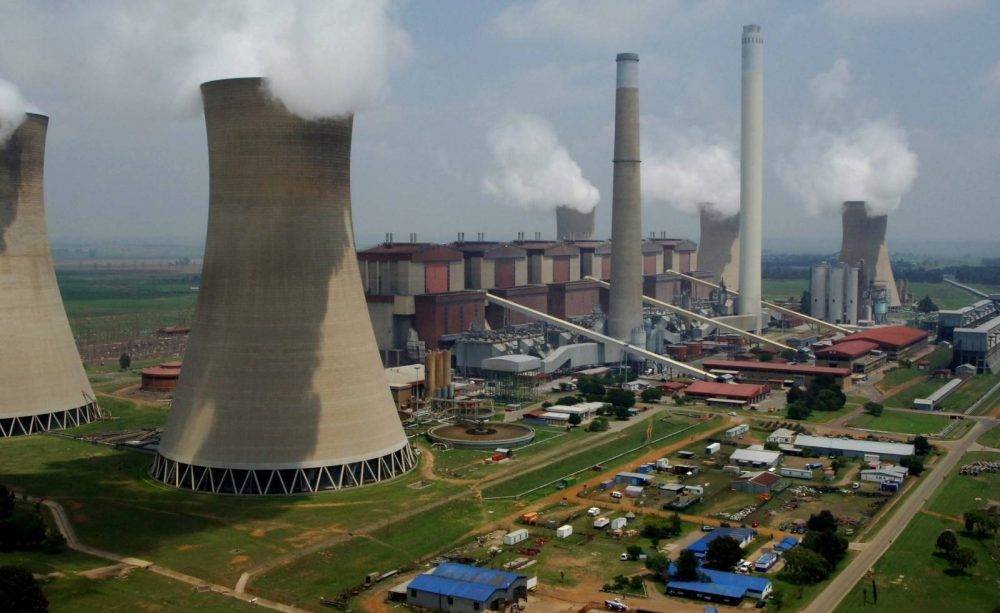
In 2024, more than 90% of newly commissioned utility-scalerenewable projectsworldwide produced electricity cheaper than the most affordable new fossil-fuel alternatives, accelerating the shift toward decentralised generation, flexible grids and active markets. South Africa’s domestic challenge was that much of itscoal-fired generation fleet was ageing, unreliable and nearing the end of its technical life. More than half the current capacity would need to be replaced within the next 15 years.
Continuing to rely on the fleet raised costs, undermined reliability and constrained economic growth, the report said. At the same time, integrating large volumes of renewable energy required substantial investment in transmission infrastructure and grid flexibility. “The combined result is a requirement for unprecedented levels of capital investment in both generation and transmission,” it noted. “This scale of the required investment cannot be met by Eskom, the public sector or the fiscus alone.”
[/paywall]
All Zim News – Bringing you the latest news and updates.
